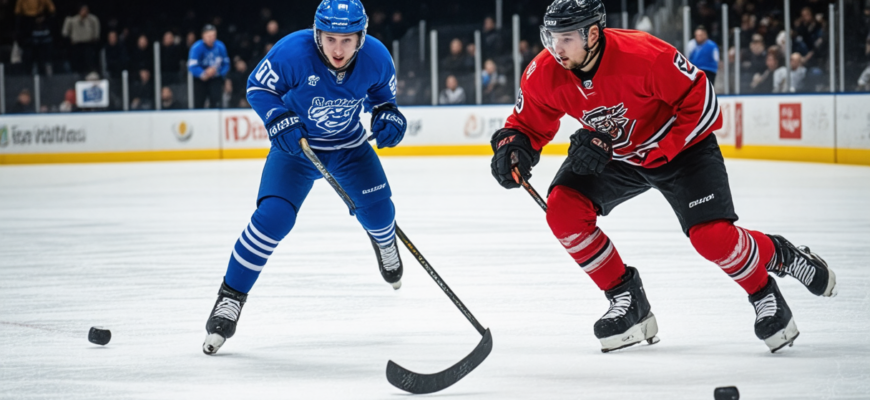
In the fast-paced world of ice hockey, control of the puck is often the key to victory. For amateur players looking to elevate their game, understanding and mastering techniques for maintaining puck possession can significantly improve overall performance. This comprehensive guide explores proven strategies, fundamental techniques, and practical drills to help players keep the puck under control in various game situations. Whether you’re a beginner or an intermediate player, knowing how to effectively manage puck possession is crucial for creating scoring opportunities and preventing opponents from gaining momentum.
- Understanding the Importance of Puck Possession in Hockey
- Fundamental Techniques for Maintaining Puck Control
- 1. Proper Stickhandling
- drills for improving stickhandling:
- 2. Proper Body Positioning and Balance
- 3. Effective Use of Skating Techniques
- 4. Shielding the Puck (Protecting Technique)
- Advanced Techniques to Maintain Puck Possession in Competitive Situations
- 1. Protection and Puck Retention Strategies
- 2. Effective Passing Under Pressure
- 3. Shooting and Shooting Readiness
- Practical Drills for Improving Puck Possession Skills
- 1. Small Area Games
- 2. Puck Protection against Defenders
- 3. Transition Drills
- Mathematical Formulas and Stats to Track Puck Control Efficiency
- Developing Consistent Puck Possession Skills
Understanding the Importance of Puck Possession in Hockey
Control over the puck directly influences the flow of the game. Teams that dominate puck possession tend to create more offensive chances, maintain defensive stability, and dictate gameplay tempo. For amateurs, developing reliable puck management skills not only enhances individual performance but also contributes to overall team success.
Some of the key benefits of maintaining good puck possession include:
- Increased control over game tempo
- Enhanced ability to organize offensive plays
- Reduced defensive pressure by controlling the game’s pace
- Improved confidence and decision-making under pressure
Fundamental Techniques for Maintaining Puck Control
1. Proper Stickhandling
Stickhandling is the foundation of puck possession. It involves using the blade of the stick to control, move, and protect the puck from opponents. Effective stickhandling allows players to navigate through tight spaces, set up plays, and retain puck control under pressure.
Key elements include:
- Keeping the stickblade close to the puck for better control
- Using soft, deliberate touches rather than aggressive swings
- Maintaining a low center of gravity to improve stability
- Keeping the head up to observe teammates and opponents
drills for improving stickhandling:
- Obstacle Course: Set up cones or household objects and weave the puck around them using controlled stickhandling
- Pull and Push: Practice pushing the puck forward and pulling it back quickly to develop dexterity
- One-Handed Stickhandling: Use one hand on the stick to increase control and strength
2. Proper Body Positioning and Balance
Maintaining proper stance and balance is critical when battling for puck control. A balanced stance with knees slightly bent, weight centered, and low center of gravity allows for quick directional changes and stability against opponents’ pressure.
Tips for optimal positioning include:
- Keeping your body between the puck and the opponent
- Maintaining a slight forward lean to stay agile
- Using your legs to absorb hits and maintain balance
- Keeping your stick on the ice, ready to intercept or control the puck
3. Effective Use of Skating Techniques
Good skating skills complement puck control by enabling players to better position themselves and escape pressure from opponents. Techniques such as quick stops, starts, and sharp turns help in maintaining possession during dynamic gameplay.
| Skating Technique | Purpose | Application in Puck Control |
|---|---|---|
| Edge Work | Switching between inside and outside edges | Allows tighter turns and better maneuverability around opponents |
| Power Turns | Rapid direction changes | Helps in maintaining control while evading opponents |
| Stopping and Starting | Quick stops and accelerations | Necessary for sudden shifts in play and maintaining position |
4. Shielding the Puck (Protecting Technique)
Shielding involves positioning your body to prevent opponents from taking the puck away. It’s an essential skill for maintaining possession, especially when under pressure or in tight spots.
How to effectively shield the puck:
- Keep your body between the opponent and the puck
- Use your arms and shoulders to create a physical barrier
- Maintain a low stance for better leverage
- Use quick, controlled movements to adjust your position as needed
Advanced Techniques to Maintain Puck Possession in Competitive Situations
1. Protection and Puck Retention Strategies
In professional and advanced amateur play, players often employ specific strategies to keep hold of the puck while navigating through opponents. These include:
- Drain the Energy: Use subtle body movements to make opponents work harder to take the puck away, wearing them down physically
- Stick Checks and Body Positioning: Combine gentle stick checks with optimal positioning to control the puck
- Changing Pace: Vary skating speed to throw off opponents and create separation
2. Effective Passing Under Pressure
Passing is integral to maintaining puck possession, especially in tight situations. Accurate and quick passes prevent opponents from intercepting and turning the play around.
Best practices for passing:
- Keep passes low and tape-to-tape
- Use quick, decisive movements to avoid giving opponents time to react
- Communicate with teammates through verbal cues or eye contact
- Practice different passing techniques: snap, one-touch, and saucer passes
3. Shooting and Shooting Readiness
Sometimes, maintaining puck possession involves a willingness to shoot or fake shots to confuse opponents. Shooting effectively can relieve pressure and create rebound opportunities.
Key aspects include:
- Keeping the puck in shooting position during puck battles
- Faking shots to open space or lure defenders away
- Staying prepared to quickly shoot or pass after gaining control
Practical Drills for Improving Puck Possession Skills
1. Small Area Games
Small-sided games within limited ice or space simulate real-game pressure. They emphasize quick decisions, tight puck control, and effective shielding.
Implement scenarios such as:
- 3v3 or 4v4 scrimmages with emphasis on maintaining possession
- One-on-one battles focused on puck protection and deking
2. Puck Protection against Defenders
Set up drills where a player practices shielding the puck from a defender in confined space, focusing on stance, body positioning, and quick puck movement. This enhances resilience in real game situations.
3. Transition Drills
Practice transitioning from defense to offense, emphasizing quick puck movement, accurate passing, and maintaining control while under pressure.
| Transition Drill | Description | Goals |
|---|---|---|
| 1. Breakout Simulation | Start from defensive zone, pass up-ice to forward, then skate back to defend | Speed in executing accurate passes and quick puck retrieval |
| 2. Corner Battles | Two players fight for puck control in the corner with limited space | Develops resilience and puck shielding skills |
Mathematical Formulas and Stats to Track Puck Control Efficiency
To assess progress, players and coaches can monitor specific metrics such as:
- puck retention rate — percentage of time a player retains puck possession during a game
- Successful pass rate — ratio of completed passes to attempted passes in pressure situations
- Time of puck possession — cumulative time a player maintains control per shift
For example, calculating puck retention rate:
Retention Rate (%) = (Number of successful puck possessions / Total number of puck attempts) × 100
Developing Consistent Puck Possession Skills
Mastering techniques for maintaining puck possession is a critical component for amateur hockey players aspiring to improve their game. By focusing on fundamental skills such as stickhandling, body positioning, and skating, combined with advanced strategies like protecting the puck and effective passing under pressure, players can significantly increase their control on the ice. Regular practice with targeted drills, coupled with performance tracking using key metrics, will foster continuous improvement.
Ultimately, consistent puck control enhances both individual confidence and team success, turning amateur players into more resilient, strategic, and effective members of their hockey community. Embracing these techniques and dedicating time to practice will prepare players for the increasing demands of competitive play and spur development in their hockey journey.
Похожие записи:
 Mastering the Fundamentals of Puck Retrieval and Chase in Hockey: Essential Skills for Amateur Players
  Mastering Passing and Receiving the Puck: Essential Skills for Amateur Hockey Players
  Mastering Balance and Stability: Essential Techniques for Amateur Hockey Players
  Mastering the Art of Puck Recovery: Strategies for Effective Play in Amateur Hockey
  Mastering the Art of Effective Ice Stops: Essential Techniques for Amateur Hockey Players
  Effective Simple Drills to Boost Puck Control and Agility for Amateur Hockey Players
  Essential Offensive Strategies in Hockey for Amateur Players
  Essential Checking Techniques for Ensuring Safety in Amateur Hockey
  Mastering Faceoff Techniques: A Comprehensive Guide for Amateur Hockey Enthusiasts
  Mastering Precision: Essential Drills to Improve Passing Accuracy in Hockey
  Building Confidence in Your Skating and Puck Skills: A Complete Guide for Amateur Hockey Players
  Mastering Hockey Stick Handling: Essential Techniques for Beginners
  Mastering the Art of Dodging and Avoiding Opponents in Hockey: Tips for Amateur Players
  Mastering the Ice: Essential Defensive Positioning Strategies in Hockey for Amateurs
  Mastering the Art of Following a Hockey Game’s Flow: Essential Tips for Amateur Players to Improve Awareness
  Essential Stickhandling Drills for New Hockey Players: Improve Your Skills on Ice