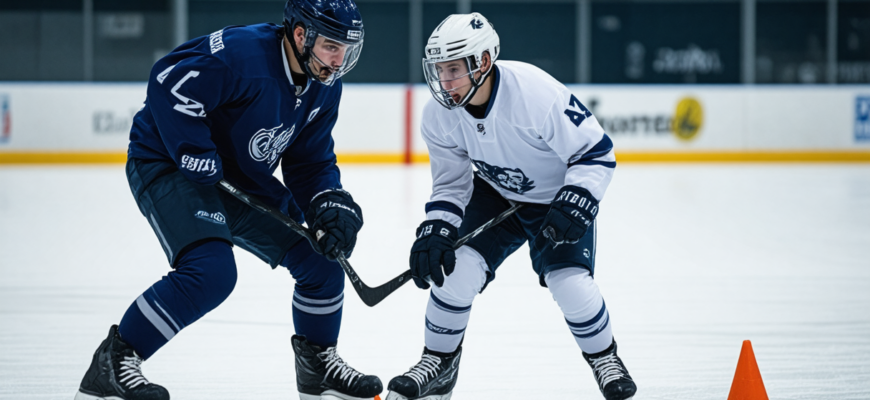
Hockey is an exhilarating sport that combines speed, skill, and physicality. However, the very physical nature of the game requires players to understand and employ proper checking techniques to maintain safety for themselves and their opponents. Whether you’re a novice or just starting to explore amateur hockey, mastering fundamental checking methods is crucial to prevent injuries and promote fair play. This comprehensive guide covers the essential checking techniques, safety tips, and best practices tailored for amateur hockey enthusiasts.
- Understanding the Role of Checking in Hockey
- Fundamental Principles of Safe Checking
- Types of Checking Techniques in Amateur Hockey
- 1. Checking from Behind
- 2. Hip Checking
- 3. Shoulder Checking
- Safety Tips for Effective and Safe Checking
- Common Mistakes and How to Avoid Them
- Mistake 1: Checking from the Front Instead of Side or Hip
- Mistake 2: Using Excessive Force
- Mistake 3: Poor Positioning and Timing
- Mistake 4: Not Maintaining Balance
- Training and Improving Checking Skills
- Rules and Regulations Regarding Checking in Amateur Hockey
- The Path to Safe and Effective Checking
Understanding the Role of Checking in Hockey
Checking is a defensive tactic used to regain control of the puck by disrupting the opponent’s play. Unlike body contact, checking in hockey is a controlled skill that, when executed correctly, minimizes injury risks and maintains the integrity of the game. Proper checking techniques can also serve as a preventive measure against accidental collisions and aggressive plays that might lead to injury.
In amateur settings, where players might have varied skill levels and experience, emphasizing safety and proper technique is paramount. It’s important to remember that checking should be performed within the rules set by the governing hockey associations, and safety always takes precedence over aggressive plays.
Fundamental Principles of Safe Checking
- Control: Always maintain control over your body and movements.
- Timing: Execute checks at appropriate moments, such as when the opponent is vulnerable or in possession of the puck.
- Positioning: Proper stance and body position are fundamental to effective and safe checking.
- Respect: Remember that physical contact should be within the rules and aimed at the puck or the player’s possession, not to cause harm.
Types of Checking Techniques in Amateur Hockey
1. Checking from Behind
Checking from behind involves approaching an opponent from behind and making contact to dislodge the puck. While effective, it is crucial to execute this technique correctly, as improper execution risks injury to both players. It is generally regulated and often penalized if performed recklessly.
- Approach: Skates should be aligned parallel or slightly angled to the opponent’s skate line.
- Engage: Wear a controlled, explosive push to initiate contact at the knees or waist level, aiming to make contact with the opponent’s torso or shoulders.
- Follow-through: Maintain a low center of gravity and use your shoulder and legs to drive through the contact.
- Protection: Always check your blind spot and ensure you’re not about to hit the boards or other players.
2. Hip Checking
Hip checking is among the safest and most effective checking techniques for amateurs, as it involves using the hip to dislodge the puck or prevent an opponent’s advance. It requires proper technique and timing to avoid injuries.
- Approach: Skate alongside the opponent, keeping a low stance with knees bent and body balanced.
- Execution: Pivot on one skate, turn your hips into the opponent, and push with your hips to make contact.
- Contact Area: Aim for the opponent’s hip or side, making sure not to target the head or knees.
- Post-Check Position: After contact, pivot away to maintain balance and avoid penalties forboarding or dangerous checking.
3. Shoulder Checking
Shoulder checking is a versatile technique used to disrupt the opponent’s play, especially in tight situations. It’s important to use the shoulder rather than the arm to ensure safety and compliance with regulations.
- Preparation: Keep your stick on the ice and your eyes focused on the opponent’s chest or puck.
- Approach: Use a quick, controlled step to close the distance.
- Contact: Lead with your shoulder and keep your arms close to your body, avoiding hitting with elbows or upper arms.
- Follow-through: Keep your head up and maintain your balance after the check.
Safety Tips for Effective and Safe Checking
- Wear Proper Equipment: Helmets, neck guards, shoulder pads, elbow pads, gloves, and padded pants are essential to protect against impacts.
- Stay in Control: Never execute a check impulsively; always assess the situation carefully.
- Respect the Rules: Follow league regulations regarding checking, including age-specific restrictions and penalties for illegal hits.
- Practice Proper Technique: Always focus on correct form to minimize injury to yourself and others.
- Avoid Head Contact: Never target the head or neck area — this is both dangerous and often illegal in amateur hockey.
- Learn to Fall Safely: When combined with proper checking, knowing how to fall can reduce the risk of injury.
Common Mistakes and How to Avoid Them
Mistake 1: Checking from the Front Instead of Side or Hip
Checking from the front often leads to penalties and injuries. Instead, approach from the side or use the hips for contact.
Mistake 2: Using Excessive Force
Overly aggressive checks can cause injuries and penalties. Always control your strength, focusing on proper technique rather than brute force.
Mistake 3: Poor Positioning and Timing
Incorrect timing or positioning can lead to missed checks or dangerous hits. Anticipate plays and stay positioned correctly.
Mistake 4: Not Maintaining Balance
Loss of balance increases risk of falls and injuries. Keep your feet shoulder-width apart and knees bent for stability.
Training and Improving Checking Skills
For amateur players, improving checking techniques involves dedicated practice and understanding. Here are some ways to develop your skills:
- Drills on Body Contact: Practice controlled contact with static or moving objects to develop confidence and technique.
- Simulated Scenarios: Engage in drills that mimic game situations, emphasizing timing and positioning.
- Video Analysis: Review footage of professional and amateur players executing checks to learn proper form.
- Coaching: Work with a coach or experienced teammate to refine technique and correct errors.
Rules and Regulations Regarding Checking in Amateur Hockey
| Aspect | Description |
|---|---|
| Age Restrictions | Many amateur leagues regulate checking based on age groups. For example, checking is typically permitted for players aged 13 and above. |
| Illegal Checks | Checking from behind, hits to the head, or hits from the front are often penalized or banned. |
| Penalties | Penalties for dangerous or illegal checking include minor or major penalties, game misconducts, and suspensions depending on severity. |
| Safety Protocols | Leagues often mandate protective gear and enforce rules to promote safety during checking play. |
The Path to Safe and Effective Checking
Mastering fundamental checking techniques in amateur hockey is essential for both safety and competitiveness. By focusing on proper form, control, and respect for the rules, players can enjoy the physical aspects of hockey while minimizing the risk of injury. Consistent practice, proper equipment, and a safety-first mindset will help every player develop their checking skills responsibly and effectively.
Remember, hockey is a team sport built on mutual respect, skill, and safety. Proper checking techniques not only protect individuals but also uphold the integrity of the game, ensuring that hockey remains an exciting and safe sport for everyone involved.
Похожие записи:
 Essential Safety Tips for Novice Players: Ensuring Safe and Enjoyable Hockey for Amateurs
  Mastering the Basics of Hockey: Essential Rules and Safety Tips for Beginners
  Essential Helmet Safety Tips for Amateur Hockey Players: Protect Yourself on the Ice
  Lightweight Protective Gear Options for Younger Players: Ensuring Safety Without Compromising Mobility
  Mastering Puck Possession: Essential Techniques for Amateur Hockey Players
  The Essential Role of Hip Pads in Amateur Hockey Safety
  Mastering Balance and Stability: Essential Techniques for Amateur Hockey Players
  Mastering Faceoff Techniques: A Comprehensive Guide for Amateur Hockey Enthusiasts
  Mastering the Art of Effective Ice Stops: Essential Techniques for Amateur Hockey Players
  Mastering the Ice: Essential Hockey Etiquette and Sportsmanship for Amateur Players
  Mastering Hockey Stick Handling: Essential Techniques for Beginners
  Mastering the Ice: Essential Defensive Positioning Strategies in Hockey for Amateurs
  Mastering the Basics: Wrist Shot and Slap Shot Techniques in Hockey for Amateurs
  Mastering the Art of Puck Recovery: Strategies for Effective Play in Amateur Hockey
  Mastering the Fundamentals of Puck Retrieval and Chase in Hockey: Essential Skills for Amateur Players
  Essential Offensive Strategies in Hockey for Amateur Players