
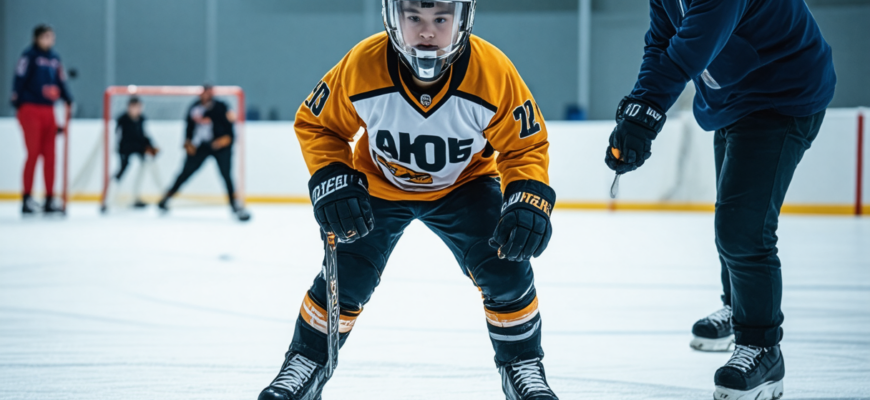
Hockey is one of the most dynamic and exciting team sports, combining speed, skill, agility, and strategy. For newcomers and amateur enthusiasts, understanding the fundamental rules and safety practices is crucial to enjoy the game fully while minimizing the risk of injuries. Whether you’re just starting out or aiming to improve your knowledge of the sport, this comprehensive guide will walk you through the core principles of hockey, clarify the rules, and offer practical safety guidelines for playing the game responsibly.
- Introduction to Hockey: A Brief Overview
- The Essential Rules of Hockey
- Gameplay Structure and Objectives
- Basic Rules and Regulations
- 1. Offside Rule
- 2. Icing
- 3. Penalties
- 4. Goals and Face-offs
- Additional Rules to Know
- Playing Hockey Safely: Essential Safety Tips and Practices
- The Importance of Safety in Hockey
- Protective Equipment Every Player Should Wear
- Safe Playing Techniques
- Rules for Preventing Injuries
- Strategies for Newcomers to Improve Skills Safely
- 1. Master Basic Skating Techniques
- 2. Enhance Stick Handling and Shooting Skills
- 3. Play in a Controlled Environment
- 4. Follow the Rules Rigorously
- 5. Warm-up and Cool-down
- Environmental and Equipment Maintenance
- Combining Knowledge and Safety for Enjoyable Hockey
Introduction to Hockey: A Brief Overview
Hockey is a fast-paced sport played on ice or field depending on the variation. The most popular form, ice hockey, is played in a rink where two teams compete to score goals by hitting a puck into the opponent’s net using sticks. Field hockey, on the other hand, is played on grass or turf with a ball. Despite differences in equipment and playing surface, the core rules and safety considerations share similarities across variants. This article primarily focuses on ice hockey, given its widespread popularity, especially in countries with cold climates.
The Essential Rules of Hockey
Gameplay Structure and Objectives
Hockey is a team sport typically involving two opposing sides, each aiming to score more goals than the other. The game is divided into three periods, each lasting 20 minutes in professional matches, with breaks in between. The team with the most goals at the end of regulation wins, or the game proceeds to overtime or penalties if tied.
Basic Rules and Regulations
Understanding key rules is vital for both players and fans. Below are some of the core regulations governing hockey:
1. Offside Rule
This rule prevents players from entering the offensive zone before the puck. Essentially, a player must not cross the opponent’s blue line before the puck does. Violating this results in a stoppage and a face-off in the neutral zone.
2. Icing
Icing occurs when a player shoots the puck across the center red line and the opposing goal line without it being touched. This leads to a face-off in the defensive zone of the team that committed icing, and is aimed at encouraging offensive play and maintaining pace.
3. Penalties
Violations such as tripping, slashing, hooking, interference, and high-sticking result in penalties. When a penalty is called, the offending player must serve time in the penalty box, leaving their team shorthanded. Common penalties include:
- Minor Penalties (2 minutes): Tripping, slashing, interference
- Major Penalties (5 minutes): Fighting, abuse of officials
- Match Penalties: Severe infractions leading to game misconduct
4. Goals and Face-offs
Goals are scored when the puck crosses the goal line between the goalposts and under the crossbar. Face-offs restart play after stoppages, with players opposing each other at designated spots, typically at the center or specific zones.
Additional Rules to Know
- Body Checking: Allowed in men’s hockey when done legally, targeting the opponent’s torso. Body checking is prohibited in women’s hockey and youth leagues.
- Interference and Obstruction: Any contact that impedes an opponent who does not have the puck is penalized.
- Equipment Violations: Players must wear approved protective gear, including helmets, gloves, and pads. Failure to comply results in penalties or ejection.
Playing Hockey Safely: Essential Safety Tips and Practices
The Importance of Safety in Hockey
Given the high-speed nature and physical contact inherent in hockey, safety precautions are vital. Proper equipment, adherence to rules, and awareness help reduce injuries and ensure an enjoyable experience for players of all levels.
Protective Equipment Every Player Should Wear
Mandatory protective gear varies based on the playing variant. The minimum equipment includes:
| Equipment | Purpose |
|---|---|
| Helmet with Cage or Visor | Protects head and face from pucks and sticks |
| Shoulder Pads | Absorbs hits and protects the upper body |
| Elbow Pads | Prevents injuries to elbows during falls or checks |
| Gloves | Protect hands and wrists while allowing grip control |
| Hockey Pants (Vaughn or similar) | Protect hips, thighs, and lower back |
| Leg Pads and Shin Guards | Shield knees and shins from impacts |
| Skates | Allow mobility on ice and protect ankles |
Safe Playing Techniques
- Proper Stick Handling: Keep your sticks low and controlled to avoid unintended contact.
- Body Positioning: Maintain a balanced stance with knees slightly bent to improve agility and readiness.
- Respect Boundaries: Never engage in dangerous hits or checks in prohibited zones or against defenseless opponents.
- Communication: Signal intentions and alert teammates to avoid collisions.
- Stay Alert: Be aware of the puck, other players, and referees to react appropriately and prevent injuries.
Rules for Preventing Injuries
- Adhere strictly to body checking regulations, especially in youth leagues where such contact may be restricted or prohibited.
- Avoid reckless play; always prioritize safety over aggressive tactics.
- Inspect and maintain your gear regularly for optimal protection.
- Learn how to fall safely to minimize impact injuries.
- Encourage sportsmanship and respectful conduct on the ice.
Strategies for Newcomers to Improve Skills Safely
For beginners, focusing on fundamental skills while respecting safety guidelines is key to both development and injury prevention. Here are some tips for amateurs to enhance their game:
1. Master Basic Skating Techniques
Efficient skating forms the foundation of hockey. Practice forward skating, stopping, and turning with proper balance. Use drills such as weaving through cones and backward skating to improve agility.
2. Enhance Stick Handling and Shooting Skills
Start with simple puck control exercises, then progress to shooting practice. Use soft pucks initially to avoid injuries and develop proper technique.
3. Play in a Controlled Environment
Participate in beginner leagues or skill clinics that emphasize safety. Avoid overly aggressive play until skills develop.
4. Follow the Rules Rigorously
Rules exist to protect players and ensure fair play. Respecting offside, icing, and penalty regulations reduces risks and improves overall safety.
5. Warm-up and Cool-down
Always include warming-up exercises before games or practice and cool-down stretches afterward to prevent muscle strains.
Environmental and Equipment Maintenance
Maintaining a safe playing environment is as important as player safety. Regularly inspect the ice rink for hazards, ensure proper lighting, and keep the surface clear of debris. Properly fitted equipment is also essential; poorly fitting gear can cause injuries or fall off during play.
Combining Knowledge and Safety for Enjoyable Hockey
Understanding the basic rules of hockey forms the foundation for safe and enjoyable participation in this exciting sport. By respecting game regulations, wearing appropriate protective gear, practicing safe play techniques, and fostering sportsmanship, players—especially amateurs—can both enhance their skills and minimize risks. As with any physical activity, continuous learning and adherence to safety practices are vital for enjoying hockey at any level.
Whether you’re stepping onto the ice for the first time or honing your skills, remember that responsible play and respect for the game are the keys to a lifelong passion for hockey. With knowledge and caution, the sport offers countless moments of adrenaline, teamwork, and fun.
Похожие записи:
 Mastering the Basics: Introduction to Offsides and Icing Rules in Hockey for Amateurs
  Mastering the Ice: A Comprehensive Guide to the Basic Rules of Ice Hockey for Beginners
  Essential Helmet Safety Tips for Amateur Hockey Players: Protect Yourself on the Ice
  Essential Safety Tips for Novice Players: Ensuring Safe and Enjoyable Hockey for Amateurs
  Essential Checking Techniques for Ensuring Safety in Amateur Hockey
  Conquer Your First Ice Hockey Fears: Essential Tips for Beginners
  Mastering the Art of Following a Hockey Game’s Flow: Essential Tips for Amateur Players to Improve Awareness
  The Essential Role of Hip Pads in Amateur Hockey Safety
  Mastering the Ice: Essential Hockey Etiquette and Sportsmanship for Amateur Players
  Positioning Basics for Amateur Hockey Players: Unlocking Your Potential on the Ice
  Mastering Proper Hockey Stick Use: Tips to Enhance Performance and Prevent Injuries
  Mastering Safety on Ice: How to Choose and Care for Your Hockey Helmet
  Mastering Hockey Stick Handling: Essential Techniques for Beginners
  Mastering the Basics: Wrist Shot and Slap Shot Techniques in Hockey for Amateurs
  Essential Ice Hockey Equipment Maintenance Tips: Keep Your Gear in Optimal Condition
  Mastering the Art of Shooting with a Stick in Hockey: The Ultimate Guide for Beginners