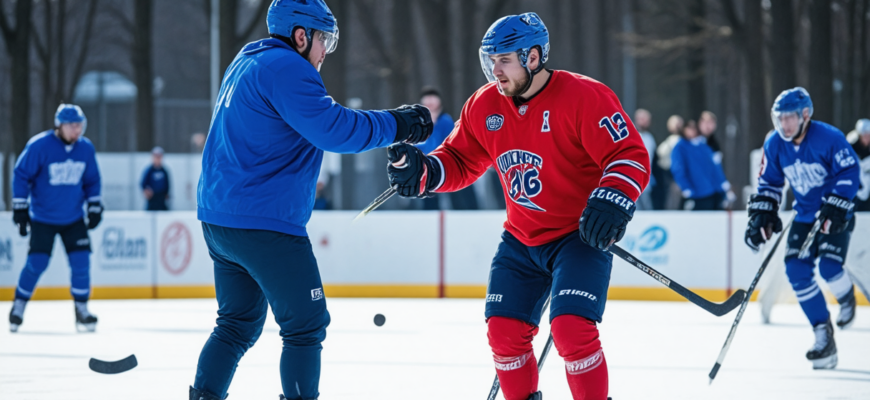
Effective communication between players is a cornerstone of successful hockey, especially at the amateur level where coordination and teamwork often determine the outcome of the game. Unlike professional leagues, where strategic play is honed over years of experience, amateur hockey relies heavily on real-time understanding and clear exchanges among teammates. This comprehensive guide aims to provide valuable tips on how players can improve their communication skills during the game, leading to better teamwork, reduced mistakes, and ultimately, more victory chances.
- Why Is Communication Crucial in Amateur Hockey?
- Key Principles of Effective Communication in Hockey
- 1. Clarity and Simplicity
- 2. Consistent Terminology
- 3. Non-verbal Cues
- 4. Active Listening
- 5. Maintain Calmness Under Pressure
- Practical Tips for Improving Communication During the Game
- 1. Use Pre-Game Strategy Meetings
- 2. Practice On-Ice Drills Focused on Communication
- 3. Use Visual and Physical Signals Strategically
- 4. Keep Communication Short and to the Point
- 5. Foster Open Communication Culture
- Top Communications Strategies in Different Game Situations
- Offensive Play
- Defensive Situations
- Transition Phases (Switching from Offense to Defense and Vice Versa)
- Common Challenges and How to Overcome Them
- 1. Noise and Distractions
- 2. Language Barriers and Diverse Teams
- 3. Overcoming Frustration and Emotions
- Advanced Tips for Seasoned Amateur Players
- 1. Use Technology to Enhance Communication
- 2. Develop Non-verbal Discipline
- 3. Analyze and Adapt
- Summary Table: Communication Tips in Amateur Hockey
Why Is Communication Crucial in Amateur Hockey?
On-ice communication serves several vital functions in hockey, including:
- Coordination: Ensures players work together seamlessly during offensive drives, defensive maneuvers, and transitions.
- Awareness: Keeps teammates informed about opponents’ positions and strategies.
- Safety: Reduces collisions and misunderstandings that could lead to injuries.
- Morale: Builds team cohesion and confidence, especially in high-pressure moments.
Effective communication is, therefore, an essential skill that can distinguish a good amateur team from a mediocre one. It facilitates quick decision-making, minimizes confusion, and heightens the overall gameplay experience.
Key Principles of Effective Communication in Hockey
1. Clarity and Simplicity
Players must convey their messages quickly and clearly. Using simple commands and signals ensures that messages are understood instantly, which is critical in fast-paced situations. Avoid ambiguous language or overcomplicated instructions that can cause confusion. For example:
- Use specific calls like “Chip it!” to signal an intent to send the puck over the enemy’s defense.
- Signals such as thumb up or hand wave can indicate readiness or alert your teammates to certain game states.
2. Consistent Terminology
Develop and stick to a set of terminologies that all team members understand. Consistency reduces miscommunication and enhances the speed of players’ reactions. For instance, always refer to common plays or positions with the same names:
- “Blue line” – the opponent’s defensive line.
- “Backdoor” – a shot or pass approaching the crease from behind the goal.
- “Dump and chase” – a strategy involving dumping the puck into the offensive zone and pursuing it.
3. Non-verbal Cues
Much of hockey communication occurs through body language and gestures. Players often use:
- Pointing to indicate the puck carrier’s position.
- Hand signals to call for a pass.
- Eye contact to confirm intentions or warn about opponents nearby.
4. Active Listening
Successful communication isn’t just about speaking; listening is equally important. Pays attention to teammates’ calls and signals to understand the overall play and respond appropriately. Non-verbal cues from teammates can often tell more about their intentions than spoken words.
5. Maintain Calmness Under Pressure
High-stress situations can lead to frustration and miscommunication. Staying calm and composed allows players to think clearly and communicate more effectively, avoiding unnecessary penalties or turnovers.
Practical Tips for Improving Communication During the Game
1. Use Pre-Game Strategy Meetings
Before the game begins, teams should discuss common signals, terminology, and strategies. Establishing these points in advance ensures all players are on the same page and minimizes confusion during play.
2. Practice On-Ice Drills Focused on Communication
Regular drills that emphasize communication help players develop habits of calling out plays, alerting teammates about opponents, and responding appropriately. Examples include:
- Scrimmages with specific communication objectives.
- Passing drills requiring verbal confirmation.
- Simulated game scenarios emphasizing quick calls and body signals.
3. Use Visual and Physical Signals Strategically
Especially in noisy environments, verbal communication can be hindered. Incorporate hand signals and body language that everyone understands and can see clearly even amidst chaos.
4. Keep Communication Short and to the Point
In the heat of the game, long-winded instructions are counterproductive. Focus on brief, clear messages that convey the essential information, allowing teammates to act swiftly.
5. Foster Open Communication Culture
Encourage teammates to speak up whenever they see an opportunity for better coordination or notice a threat. Building a team culture where communication is valued enhances overall performance.
Top Communications Strategies in Different Game Situations
Offensive Play
- Call out “Support” or “Cross ice” to indicate passing options.
- Use a quick shout like “Now!” to signal the moment to shoot or pass.
- Point to open spaces or lanes to guide teammates.
Defensive Situations
- Yell “Man on!” when an opponent is approaching.
- Shout “Help” or “Cover” to alert teammates about a pressing opponent.
- Use hand signals to communicate switching coverage or trapping strategies.
Transition Phases (Switching from Offense to Defense and Vice Versa)
- Call “Change” loudly to synchronize line shifts.
- Point or raise your hand to indicate who should take over a particular zone.
- Use eye contact for quick confirmation during fast shifts.
Common Challenges and How to Overcome Them
1. Noise and Distractions
Ice rinks can be loud, making verbal communication difficult. To counteract this:
- Develop clear, loud, and distinct signals.
- Use visual cues more frequently during noisy periods.
- Ensure teammates are close enough to see your signals.
2. Language Barriers and Diverse Teams
In amateur games with players from different backgrounds, language might become a barrier. Overcome this by:
- Establishing a set of universal signals and gestures.
- Using simple, universally understood terminology.
- Encouraging patience and visual communication.
3. Overcoming Frustration and Emotions
High emotions can hinder clear communication. To maintain positive interactions:
- Keep calm and composed during the game.
- Remind teammates to communicate respectfully.
- Use encouraging language to boost motivation.
Advanced Tips for Seasoned Amateur Players
1. Use Technology to Enhance Communication
In practice sessions, players can record and review game footage focusing on communication flow. Additionally, some teams use radios or headsets during practice drills to simulate game communication. Such tools help identify areas for improvement.
2. Develop Non-verbal Discipline
Train players to rely heavily on non-verbal cues that can be used efficiently during the game, reducing dependence on verbal commands that might fail amidst chaos.
3. Analyze and Adapt
Post-game analysis of communication effectiveness can reveal gaps and strengths. Keeping a journal or participating in team reviews to improve signaling, calling, and reactions helps continually enhance on-ice interaction.
Summary Table: Communication Tips in Amateur Hockey
| Aspect | Key Recommendations |
|---|---|
| Clarity | Use simple, direct language and signals. Avoid ambiguity. |
| Consistency | Develop and follow a standardized terminology and set of signals. |
| Non-verbal cues | Implement visual signals like pointing, gestures, and eye contact. |
| Listening | Pay close attention to teammates’ calls and signals, respond promptly. |
| Stress Management | Maintain calmness to avoid miscommunication and unnecessary mistakes. |
| Practice | Regular drills focused on communication skills improve overall gameplay. |
Solid communication is one of the most impactful skills a player can develop in amateur hockey. It not only increases the effectiveness of teamwork but also enhances the safety and enjoyment of the game. By understanding key principles such as clarity, consistency, and active listening, and applying practical strategies like pre-game planning and regular drills, players and teams can significantly improve their on-ice interactions. As hockey remains a fast, dynamic sport, honing communication skills ensures that players stay synchronized, react swiftly, and enjoy the game to the fullest. Remember, effective communication is the bridge that connects raw talent with winning strategies on the ice.
Похожие записи:
 The Critical Role of Communication on the Ice for Achieving Superior Team Coordination in Amateur Hockey
  Mastering Team Chemistry: Essential Tips for Effective Collaboration in Amateur Hockey
  The Critical Role of Teamwork and Communication in Ice Hockey Success
  Mastering Power Play: Essential Strategies for Effective Hockey Performance
  How to Stay Motivated as a Beginner Hockey Player: Tips for Amateur Enthusiasts
  Mastering Team Strategies and Support in Amateur Hockey: Achieving Success Together
  Mastering the Basics of Hockey: Essential Rules and Safety Tips for Beginners
  Mastering Recovery and Rebound Control: Essential Skills for Amateur Hockey Players
  How to Avoid Common Hockey Penalties: Expert Tips for Amateur Players
  Mastering Youth and Amateur Leagues: Essential Rules and Winning Strategies for Aspiring Hockey Players
  Mastering the Art of Puck Recovery: Strategies for Effective Play in Amateur Hockey
  Mastering the Art of Following a Hockey Game’s Flow: Essential Tips for Amateur Players to Improve Awareness
  Mastering the Art of Effective Ice Stops: Essential Techniques for Amateur Hockey Players
  Mastering the Ice: Basic Skating Techniques Every New Hockey Player Must Know
  Effective Tips for Preventing Common Hockey Injuries: A Guide for Amateur Players
  Mastering the Art of Dodging and Avoiding Opponents in Hockey: Tips for Amateur Players