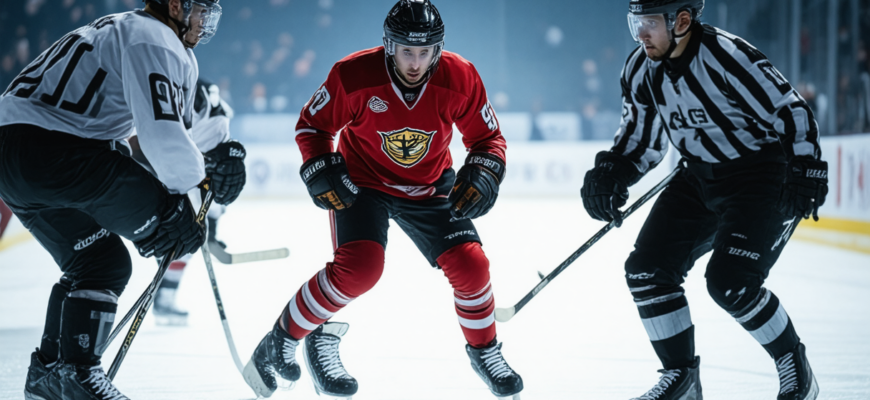
Hockey is a fast-paced, exciting sport that combines skill, agility, and physical endurance. For amateur players, understanding how to play within the rules is essential not only for fair play but also for maximizing performance and avoiding penalties that can cost the team dearly. Penalties in hockey can disrupt gameplay, give the opposing team an advantage, and sometimes even lead to game misconducts.
In this comprehensive guide, you’ll learn about the most common penalties in hockey, what causes them, and detailed strategies to avoid them. Whether you’re just starting in the sport or looking to refine your discipline on the ice, this article offers essential insights, backed by game rules and practical advice.
- Understanding Hockey Penalties: The Basics
- What Is a Penalty in Hockey?
- Types of Penalties in Hockey
- Most Common Penalties in Amateur Hockey
- 1. Tripping
- 2. Hooking
- 3. Holding
- 4. Slashing
- 5. Interference
- 6. Cross-Checking
- 7. Charging
- How to Recognize and Prevent Penalties in Hockey
- 1. Learn and Internalize the Rules
- 2. Maintain Proper Stick and Body Position
- 3. Practice Controlled and Fair Play
- 4. Focus on the Puck and Opponent’s Movement
- 5. Communicate with Teammates
- 6. Control Emotions and Maintain Sportsmanship
- Practical Tips and Drills to Reduce Penalties
- Drill 1: Stick Position Awareness
- Drill 2: Body Control and Balance
- Drill 3: Situational Awareness
- Understanding the Penalties Table: How Penalty Severity Affects Play
- Legal Body Checks and When They Are Allowed
- Consequences of Frequent Penalties
- Summary: Key Takeaways for Amateur Hockey Players
- Final Thoughts
Understanding Hockey Penalties: The Basics
What Is a Penalty in Hockey?
A penalty in hockey is a punishment assigned to a player who breaches the rules of the game. Penalties usually result in the player’s team being short-handed, meaning they have to play with fewer players on the ice for a specific duration. Penalties can vary from minor infractions, such as tripping or slashing, to major penalties like fighting or head contact.
Types of Penalties in Hockey
- Minor Penalties: Last 2 minutes unless scored upon. Examples include tripping, hooking, slashing, holding, and interference.
- Major Penalties: Last 5 minutes, usually for more severe infractions like fighting, charging, or deliberate injury.
- Misconduct Penalties: Typically 10-minute penalties for unsportsmanlike conduct or game misconducts, which can lead to ejection.
Most Common Penalties in Amateur Hockey
While every level of hockey features its set of infractions, certain penalties are particularly prevalent among amateur and recreational players. Understanding these common pitfalls is key to avoiding them.
1. Tripping
One of the most frequent penalties, tripping occurs when a player uses their stick, leg, or body to cause an opponent to fall. It often happens in fast skating situations or when players attempt to block an opponent’s progress.
2. Hooking
This penalty is called when a player uses their stick to impede an opponent’s movement by hooking around their body or stick. It disrupts opponents’ skating and can be hard to spot at high speeds.
3. Holding
Holding occurs when a player grabs an opponent’s body or stick with their hands or arms, preventing movement. This not only disrupts gameplay but also can lead to dangerous situations.
4. Slashing
Slashing involves swinging a stick at an opponent with excessive force or in a dangerous manner. It can cause injury and is penalized heavily—even more so if it hits the opponent’s head or unprotected areas.
5. Interference
This penalty is called when a player impedes an opponent who does not have the puck, obstructing their path and causing unfair advantage or risk of injury.
6. Cross-Checking
Cross-checking is when a player forces an opponent with a two-handed or excessively forceful check with the shaft of the stick held with both hands.
7. Charging
This penalty is given when a player takes dangerous body contact with excessive speed or force, often leading to dangerous collisions.
How to Recognize and Prevent Penalties in Hockey
For amateur players, awareness about the rules and self-discipline are key components in avoiding penalties. Here are practical steps to help minimize infractions during play.
1. Learn and Internalize the Rules
Understanding the specific rules of hockey is fundamental. Study the official rulebook, focus on the most common penalties, and ask for clarification from coaches or experienced players. Knowledge reduces impulsive or accidental infractions.
2. Maintain Proper Stick and Body Position
Correct positioning can prevent many penalties related to hooking or holding. Keep your stick on the ice, avoid raising it above waist level unnecessarily, and stay balanced on your skates.
3. Practice Controlled and Fair Play
Develop your skating and checking techniques to ensure they are controlled rather than reckless. Avoid aggressive attempts to hit or check opponents unless in a legal and safe context.
4. Focus on the Puck and Opponent’s Movement
Stay aware of game flow. Anticipate opponents’ moves and play the puck smartly without resorting to illegal tactics to regain control or stop an opponent.
5. Communicate with Teammates
Clear communication can prevent accidental infractions. Use verbal cues or hand signals to coordinate plays, especially during tight situations where penalties are more likely.
6. Control Emotions and Maintain Sportsmanship
Emotional control discourages aggressive or retaliatory behaviors leading to misconduct penalties. Promote sportsmanship both on and off the ice.
Practical Tips and Drills to Reduce Penalties
Drill 1: Stick Position Awareness
Set up drills where players focus on maintaining correct stick placement while skating, passing, and shooting. Use cones to simulate opponents and emphasize keeping the stick flat on the ice.
Drill 2: Body Control and Balance
Implement exercises that improve balance and agility to enable players to make controlled body checks and avoid dangerous collisions.
Drill 3: Situational Awareness
- Practice small-sided games emphasizing rule adherence.
- Simulate game scenarios where players must decide whether to engage or back off, reinforcing decision-making.
Understanding the Penalties Table: How Penalty Severity Affects Play
| Penalty Type | Typical Duration | Impact on Team | Common Causes |
|---|---|---|---|
| Minor Penalty | 2 minutes | Team plays shorthanded | Obstruction, slashing, tripping |
| Major Penalty | 5 minutes | More severe numerical disadvantage | Fighting, charging, hit to the head |
| Misconduct | 10 minutes or ejection | Can lead to team disadvantage or player removal | Unsportsmanlike conduct |
Legal Body Checks and When They Are Allowed
In amateur hockey, body checks are usually only permitted in certain contexts and with precise rules to ensure safety. A legal body check typically occurs when:
- Opponent has the puck or is within reaching distance.
- Player uses shoulder and keeps contact within the body, avoiding the head or neck area.
- Check is delivered in front or side positions, not from behind.
Note: Check with local league regulations, as rules about body contact vary significantly across different levels of play.
Consequences of Frequent Penalties
Accumulating penalties, especially repeated infractions, can lead to serious consequences such as:
- Fighting suspensions.
- Being ejected from the game.
- Disqualification from future games.
- Harm to team performance and morale.
Therefore, disciplined play not only improves individual performance but also contributes to the overall success of the team.
Summary: Key Takeaways for Amateur Hockey Players
- Familiarize yourself with the official rules and common penalties.
- Develop control over your body and stick, especially during high-pressure situations.
- Maintain good sportsmanship and emotional control on the ice.
- Engage in regular drills focusing on safety and rule compliance.
- Communicate effectively with teammates to prevent accidental infractions.
Final Thoughts
Playing hockey within the rules enhances not only personal safety but also the enjoyment and fairness of the game. By understanding the nature of common penalties, their causes, and preventive strategies, amateur players can significantly reduce their infractions and contribute positively to their teams. Remember, discipline and sportsmanship are just as vital as skill and speed in hockey — a sport that demands respect for the rules and each other.
Adhering to these guidelines creates a safer, more enjoyable playing environment and helps nurture a lifelong love for the sport. Whether coaching young players or participating in recreational leagues, instilling awareness and discipline on the ice benefits everyone involved.
Похожие записи:
 How to Avoid Common Equipment Fit Mistakes in Amateur Hockey: A Complete Guide
  Mastering the Basics of Hockey: Essential Rules and Safety Tips for Beginners
  Mastering the Ice: A Comprehensive Guide to the Basic Rules of Ice Hockey for Beginners
  Mastering the Art of Dodging and Avoiding Opponents in Hockey: Tips for Amateur Players
  Mastering the Art of Following a Hockey Game’s Flow: Essential Tips for Amateur Players to Improve Awareness
  Mastering Team Chemistry: Essential Tips for Effective Collaboration in Amateur Hockey
  Mastering Power Plays and Penalty Kill Tactics for Amateur Hockey Teams
  Essential Helmet Safety Tips for Amateur Hockey Players: Protect Yourself on the Ice
  Essential Safety Tips for Novice Players: Ensuring Safe and Enjoyable Hockey for Amateurs
  Mastering Body Checks and Staying Safe on the Ice: An Essential Guide for Amateur Hockey Enthusiasts
  Mastering the Ice: Essential Hockey Etiquette and Sportsmanship for Amateur Players
  Essential Checking Techniques for Ensuring Safety in Amateur Hockey
  Mastering Proper Hockey Stick Use: Tips to Enhance Performance and Prevent Injuries
  Mastering Overtime and Shootouts Rules in Hockey: A Guide for Amateur Enthusiasts
  Mastering the Basics: Introduction to Offsides and Icing Rules in Hockey for Amateurs
  Mastering Recovery and Rebound Control: Essential Skills for Amateur Hockey Players