
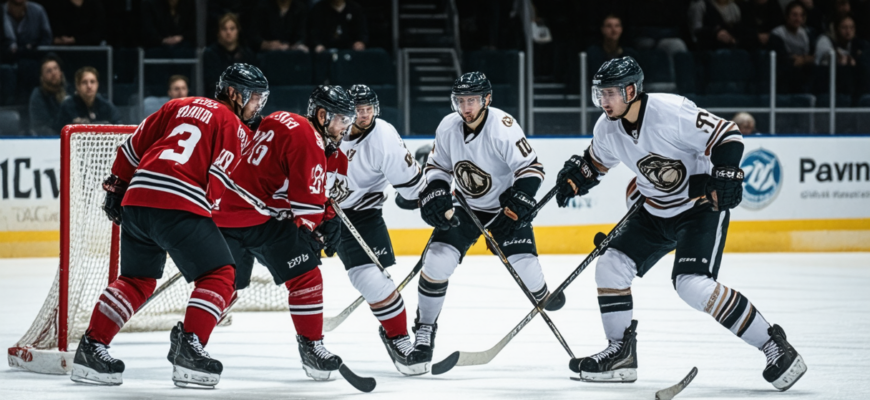
Hockey is a fast-paced, strategic sport that requires not only individual skill but also well-coordinated team tactics. For amateur teams, understanding and implementing effective power play and penalty kill strategies can be the key to gaining a competitive edge. This comprehensive guide explores the core concepts, tactics, and drills necessary for amateur teams aiming to optimize their special teams play. Whether you’re a coach or a player, mastering these strategies can dramatically improve your performance on the ice.
- Introduction to Power Play and Penalty Kill
- What Is a Power Play?
- What Is a Penalty Kill?
- Fundamental Principles of Power Play Tactics
- Popular Power Play Formations
- 1. The 1-3-1 Formation
- 2. The 2-3 Formation
- 3. The Diamond Formation
- Executing Power Play Strategies
- Passing Drills for Effective Power Play
- Shooting Techniques to Maximize Scoring
- Strategic Plays and Setups
- Penalty Kill Fundamentals
- Key Principles of Effective Penalty Kill
- Common Penalty Kill Formations
- Penalty Kill Drills
- Special Teams Practice Routine
- Enhancing Team Performance: Tips for Coaches and Players
- Concluding Remarks
- Additional Resources for Amateur Hockey Teams
- Summary of Key Points
Introduction to Power Play and Penalty Kill
Before diving into specific tactics, it is crucial to understand the fundamental roles of the power play and penalty kill. These are special situations that occur when one team has a mandated numerical advantage or disadvantage due to penalties. Proper execution of these situations can turn the tide of a game.
What Is a Power Play?
A power play occurs when the opposing team has one or more players serving a penalty, creating a temporary numerical advantage. During this time, the team with more players on the ice attempts to capitalize by creating scoring opportunities.
What Is a Penalty Kill?
The penalty kill is the defensive effort when a team is shorthanded, trying to prevent the opposing team from scoring during their power play. Effective penalty killing requires discipline, positioning, and strategic cooperation.
Fundamental Principles of Power Play Tactics
Efficiency on the power play depends on structured positioning, quick puck movement, and exploiting the opponent’s weak spots. Coaches and players should focus on mastering the core principles below:
- Maintain puck possession to create scoring chances.
- Keep the zones with controlled puck movement, avoiding turnovers.
- Create options by spreading the players and opening passing lanes.
- Take quality shots to pressure the goalie and increase goal-scoring opportunities.
Popular Power Play Formations
There are several common formations used in hockey power plays, each with its strengths and strategic focuses. Amateur teams should understand these formations to implement effective systems suitable for their skill levels.
1. The 1-3-1 Formation
This is one of the most popular and versatile power play formations, emphasizing puck movement and player positioning. It involves one defenseman at the blue line, three forwards spread across the ice, and a forward located in the high slot or net-front area.
| Player Position | Description |
|---|---|
| Point | Defenseman at the blue line, responsible for maintaining puck control and launching shots. |
| Across (or the Wings) | Left and right wingers, focusing on creating passing lanes and pressing for rebounds. |
| High Slot/Net-Front | Center or forward near the crease, looking for rebounds and tip-ins. |
2. The 2-3 Formation
This setup involves two defensemen at the points and three forwards spread across the ice. It is balanced and provides good coverage and passing options.
3. The Diamond Formation
This arrangement positions players in a diamond shape, facilitating quick passes and shots from different angles.
Executing Power Play Strategies
Passing Drills for Effective Power Play
- Quick Pass Touch Drills: Emphasize rapid puck movement to catch the penalty-killing team out of position.
- One-Touch Passing: Improve timing and control, enabling faster plays and shot setups.
- Passing Through Traffic: Find passing lanes despite opponents blocking view or space.
Shooting Techniques to Maximize Scoring
- Wrist Shots: Quick and accurate, ideal for deflections and rebounds.
- Slap Shots: Powerful but require space; used primarily from the blue line.
- Tip-Ins and Rebounds: Position near the crease to capitalize on tips and loose pucks.
Strategic Plays and Setups
Some effective power play plays include:
- The Overload: Concentrate players on one side of the ice, forcing the penalty-kill to shift, opening up passing options.
- Cross-Ice Passes: Creating angle plays that open up shooting lanes.
- Backdoor Play: Set up for a quick shot or tap-in from a pass behind the goal line.
Penalty Kill Fundamentals
While the power play focuses on attack, penalty killing is about tight defense, disciplined zones, and quick counterattacks. Successful PK execution prevents goals and can generate offensive opportunities.
Key Principles of Effective Penalty Kill
- Box and Diamond formations: These positioning tactics help contain the puck, block shooting lanes, and defend the crease.
- Active Sticks: Disrupt passing lanes, intercept pucks, and force turnovers.
- Clear Pucks: When under pressure, clearing the puck out of the zone to reduce scoring chances.
- Discipline: Avoiding penalties, especially in critical areas.
Common Penalty Kill Formations
- Box Formation: Four players form a square, covering the high-traffic areas in front of the goal and the slot.
- Diamond Formation: Players position themselves with one player in front of the net and others on the point, ready to intercept passes.
Penalty Kill Drills
- Shuttle Play: Players practice quick passing and movement within tight zones, simulating game situations.
- Stick Checking and Interception Drills: Focus on staying active, disrupting passing lanes, and intercepting pucks.
- Clear and Rush: Practice clearing the puck and transitioning into offensive breakaway plays.
Special Teams Practice Routine
For amateur teams, a structured and consistent practice routine enhances execution during real-game situations. Here is a sample routine:
| Time Allocation | Focus Area |
|---|---|
| 15 minutes | Power play passing and shooting drills |
| 15 minutes | Penalty kill defensive positioning and clear plays |
| 10 minutes | Situation drills (e.g., 5-on-4, 4-on-5) |
| 10 minutes | Scrimmage with emphasis on special teams play |
Enhancing Team Performance: Tips for Coaches and Players
| Tip | Description |
|---|---|
| Focus on Communication | Players must verbally and non-verbally communicate to adjust formations and anticipate opponent’s moves. |
| Film Study | Review game footage to identify weaknesses and improve tactics. |
| Practice Under Pressure | Create scenario drills to simulate game-time stress, helping players remain calm and effective. |
| Discipline and Patience | Staying disciplined minimizes costly penalties and maximizes power play and PK efficiency. |
| Special Team Role Clarity | Assign specific roles within the formation to each player to increase accountability and coordination. |
Concluding Remarks
Mastering power play and penalty kill tactics is vital for amateur hockey teams aspiring to compete at higher levels. Consistent practice, strategic understanding, and disciplined execution can transform these special team situations into scoring opportunities and defensive strongholds. While professional teams often have access to advanced systems, amateur teams can implement simplified yet effective strategies that improve their overall game. Emphasizing fundamentals, fostering team communication, and practicing specific drills will empower players and coaches to excel during critical moments on the ice.
Additional Resources for Amateur Hockey Teams
- Coaching Manuals and Playbooks
- Training Drills and Exercises
- Video Analysis Tools
- Local Hockey Clinics and Workshops
Summary of Key Points
| Aspect | Important Takeaway |
|---|---|
| Power Play Formation | Choose a formation suited to team skill and practice sequence. |
| Passing & Shooting | Prioritize quick, precise passes and high-quality shots. |
| Penalty Kill Discipline | Avoid unnecessary penalties and maintain tight defensive positioning. |
| Practice Routine | Regular, scenario-based drills enhance performance under pressure. |
| Team Communication | Effective communication is essential for coordination and adaptability. |
Похожие записи:
 Mastering the Ice: A Comprehensive Guide to the Basic Rules of Ice Hockey for Beginners
  Mastering Team Chemistry: Essential Tips for Effective Collaboration in Amateur Hockey
  Effective Offensive Strategies to Break Through Defensive Lines in Hockey
  Essential Offensive Strategies in Hockey for Amateur Players
  Mastering the Basics: Introduction to Offsides and Icing Rules in Hockey for Amateurs
  Introductory Power Skating Exercises: Essential Skills for Aspiring Hockey Players
  Mastering the Art of Puck Recovery: Strategies for Effective Play in Amateur Hockey
  Positioning Basics for Amateur Hockey Players: Unlocking Your Potential on the Ice
  The Critical Role of Communication on the Ice for Achieving Superior Team Coordination in Amateur Hockey
  Mastering the Art of Following a Hockey Game’s Flow: Essential Tips for Amateur Players to Improve Awareness
  Basic Strategies for Beginner Hockey Players: A Complete Guide for Amateur Enthusiasts
  Mastering the Basics of Hockey: Essential Rules and Safety Tips for Beginners
  Mastering Passing and Receiving the Puck: Essential Skills for Amateur Hockey Players
  Mastering the Fundamentals of Puck Retrieval and Chase in Hockey: Essential Skills for Amateur Players
  Mastering Puck Possession: Essential Techniques for Amateur Hockey Players
  Mastering the Ice: Essential Defensive Positioning Strategies in Hockey for Amateurs