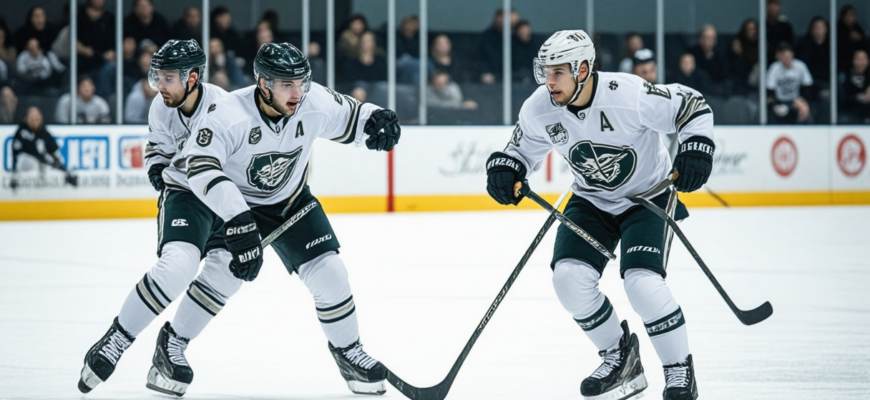
In amateur hockey, where teamwork and strategy often determine the outcome more than sheer skill, effective communication on the ice plays a fundamental role in fostering seamless coordination among players. Whether for beginners or seasoned amateurs, understanding how to communicate efficiently during the fast-paced environment of a hockey game can significantly improve team dynamics, boost morale, and increase chances of victory. This comprehensive guide explores how communication affects team coordination, different methods used on the ice, and practical tips to enhance your team’s on-ice conversations.
- Understanding the Importance of Communication in Hockey
- Why Communication Is Key in a Fast-Paced Sport
- Impact of Poor Communication
- Types of Communication in Amateur Hockey
- Verbal Communication
- Non-verbal Communication
- Strategies for Improving On-Ice Communication
- Training and Practice Drills
- Establishing Clear Communication Protocols
- Creating a Supportive Communication Environment
- Communication Tools and Technologies for Amateur Teams
- On-Ice Communication Equipment
- Utilizing Visual Aids and Signaling Devices
- Case Study: Effective Communication Leading to Success
- Example: The Impact of Communication in a Local Amateur Hockey League Match
- Tips for Players to Enhance On-Ice Communication
- 1. Speak Clearly and Loudly
- 2. Keep Messages Short and Specific
- 3. Be Attentive and Engage Actively
- 4. Regularly Practice Communication Drills
- 5. Foster a Supportive Team Culture
- Building a Communicative Hockey Culture for Amateur Teams
- Summary Table: Key Elements of Effective On-Ice Communication
- Final Thoughts: Communicate to Win
Understanding the Importance of Communication in Hockey
Why Communication Is Key in a Fast-Paced Sport
Ice hockey is a high-speed, high-intensity sport requiring players to respond quickly to constantly changing situations. In this environment, clear and timely communication becomes a vital tool that helps players anticipate each other’s actions, coordinate movements, and execute strategies effectively. A well-coordinated team, backed by robust communication, can outmaneuver opponents who rely only on individual skill.
Impact of Poor Communication
Failure to communicate effectively can result in:
- Confusion and misaligned plays
- Breakdowns in defensive or offensive setups
- Increased chances for turnover and scoring opportunities for opponents
- Player frustration and decreased team morale
Types of Communication in Amateur Hockey
Verbal Communication
Verbal cues are the most direct and commonly used method of communication during hockey games. They include:
- Calling out plays: Shouting for passes, requesting coverage adjustments
- Status updates: Alerting teammates about opponents, puck possession, or fatigue
- Commands: Instructing teammates to change formations or pressure
Effective verbal communication requires loud, clear, and concise messages, especially amidst the noise of crowd and skates scraping ice.
Non-verbal Communication
Given the noise levels and speed of play, players often rely on non-verbal cues such as:
- Body language: Pointing, eye contact, or gestures to signal moves
- Hand signals: Tucking in or extending hands for passes or positioning
- Facial expressions: Indicates readiness or alertness
Non-verbal cues can sometimes convey more immediate, subtle commands that prompt reactive plays.
Strategies for Improving On-Ice Communication
Training and Practice Drills
Improving communication begins with dedicated practice. Coaches and players can incorporate drills that emphasize both verbal and non-verbal cues. Examples include:
- Pass and move drills: Requiring players to call out passes and anticipate movements
- Shadowing exercises: Practicing quick reactions to signals or verbal commands
- Scenario simulations: Creating game situations where players must communicate under pressure
Establishing Clear Communication Protocols
Teams should develop a set of standardized signals and phrases. This can include:
- Code words: For specific plays, like “box” for offensive setup or “cover” for defensive marking
- Unique hand signals: That all team members understand and can recognize instantly
- Role-specific communication: For forwards, defensemen, and goalies to coordinate effectively
Creating a Supportive Communication Environment
Foster an environment where positive reinforcement and constructive feedback are encouraged. This involves:
- Using encouraging language to boost morale
- Avoiding blame or negative shouting that can cause confusion or stress
- Maintaining calmness and clarity, especially during high-pressure moments
Communication Tools and Technologies for Amateur Teams
On-Ice Communication Equipment
Although not always available to amateurs, some teams utilize communication devices such as:
- Wireless headsets: For coordinating during practice or games
- Handheld radios: For coaches to communicate with players
Utilizing Visual Aids and Signaling Devices
In the absence of electronic equipment, teams can rely on visual aids, including:
- Colored jerseys or armbands to signal specific roles or strategies
- Custom hand signals to indicate plays or shifts
- Pre-arranged gestures recognized by the entire team
Case Study: Effective Communication Leading to Success
Example: The Impact of Communication in a Local Amateur Hockey League Match
In one amateur league, a team struggled with defensive lapses and missed scoring opportunities. After implementing a structured communication plan, featuring standardized signals and increased verbal exchanges, the team saw significant improvements. Defensive players began calling out screens and shifts, while forwards coordinated passing sequences more efficiently. As a result, the team increased its win rate by 30% over a few months, demonstrating the tangible benefits of effective communication.
Tips for Players to Enhance On-Ice Communication
1. Speak Clearly and Loudly
Use a firm voice that can cut through the noise of the game. Practice projecting your voice to ensure teammates can hear your instructions at all times.
2. Keep Messages Short and Specific
Concise communication reduces confusion. Instead of long explanations, use single words or short phrases which are easy to recall and act upon during play.
3. Be Attentive and Engage Actively
Stay alert to teammates’ cues and signals. Active listening and observation are key to preempting plays and making quick decisions.
4. Regularly Practice Communication Drills
Invest time in drills that simulate game scenarios, fostering quick thinking and efficient exchange of information.
5. Foster a Supportive Team Culture
Encourage teammates to communicate openly and positively, emphasizing teamwork over individual ego.
Building a Communicative Hockey Culture for Amateur Teams
In the dynamic environment of amateur hockey, teams that prioritize effective communication can significantly elevate their gameplay, foster camaraderie, and achieve better results. Developing a culture that values clear, concise, and supportive exchanges on the ice not only enhances coordination but also enriches the overall playing experience. As players and coaches invest in communication skills and strategies, they set the stage for more enjoyable games, greater teamwork, and a stronger sense of unity—a winning formula both on and off the ice.
Summary Table: Key Elements of Effective On-Ice Communication
| Aspect | Details |
|---|---|
| Types | Verbal, Non-verbal (body language, hand signals) |
| Importance | Enhances coordination, reduces mistakes, improves strategy execution |
| Methods to Improve | Training drills, standardized signals, positive environment |
| Tools | On-ice communication devices, visual signals, team protocols |
| Best Practices | Clear speech, short messages, active listening, consistent practice |
Final Thoughts: Communicate to Win
For amateur hockey teams aiming to excel beyond individual talent, cultivating effective communication is essential. By understanding its crucial role, implementing proper strategies, and fostering an environment of open dialogue, teams make significant strides toward better coordination and victory. The ice surface is not just a battlefield of skills but a platform where teamwork, built on the foundation of communication, determines success or failure.
Похожие записи:
 The Critical Role of Teamwork and Communication in Ice Hockey Success
  Mastering Team Chemistry: Essential Tips for Effective Collaboration in Amateur Hockey
  Understanding the Role of Coaches in Amateur Hockey Development
  Ultimate Guide to Drills that Boost Eye and Hand Coordination for Amateur Hockey Enthusiasts
  Mastering Power Plays and Penalty Kill Tactics for Amateur Hockey Teams
  How to Avoid Common Hockey Penalties: Expert Tips for Amateur Players
  Mastering Power Play: Essential Strategies for Effective Hockey Performance
  The Essential Role of Hip Pads in Amateur Hockey Safety
  Positioning Basics for Amateur Hockey Players: Unlocking Your Potential on the Ice
  Effective Passing Drills to Boost Teamwork in Hockey for Amateurs
  Mastering Recovery and Rebound Control: Essential Skills for Amateur Hockey Players
  The Crucial Role of Fitness and Strength in Hockey Performance
  Basic Strategies for Beginner Hockey Players: A Complete Guide for Amateur Enthusiasts
  Mastering the Ice: The Essential Guide to Participating in Friendly Scrimmages for Hockey Amateurs
  The Surprising Benefits of Playing Small-Area Hockey for Amateur Players
  Effective Offensive Strategies to Break Through Defensive Lines in Hockey