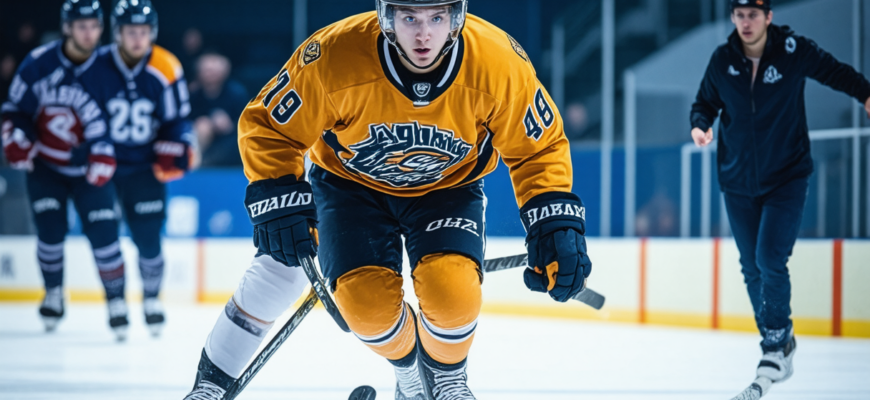
In the fast-paced world of ice hockey, the difference between a novice and a skilled player often boils down to their ability to see and understand the game around them. While physical skills like skating, shooting, and passing are crucial, the often-overlooked aspect of hockey intelligence—vision and situational awareness—plays a pivotal role in elevating a player’s performance. Effective hockey vision allows players to anticipate plays, make smarter decisions, and react swiftly to developing situations, thereby transforming a good player into a great one.
This comprehensive guide explores proven strategies, drills, and mental techniques that help amateur hockey players enhance their visual perception and awareness on the ice. Whether you’re a beginner looking to improve or an intermediate player seeking to climb to the next level, mastering these skills can significantly impact your game.
- Understanding Hockey Vision and Situational Awareness
- What is Hockey Vision?
- What is Situational Awareness?
- The Importance of Developing Hockey Vision and Awareness
- Practical Tips for Improving Hockey Vision and Situational Awareness
- 1. Develop Peripheral Vision
- 2. Practice Head-Up Drills
- 3. Learn to Track Multiple Moving Objects
- 4. Enhance Pattern Recognition
- 5. Improve Reaction Time
- 6. Strengthen Memory and Mental Processing
- Drills to Boost Hockey Vision and Situational Awareness
- Tracking Drill: The Multi-Target Exercise
- Pattern Recognition: Play Scenario Drills
- Head-Up Skating Drill
- Integrating Mental Skills into On-Ice Play
- Concentration Exercises
- Situational Awareness Checks
- Summary of Key Techniques to Improve Hockey Vision and Awareness
- Final Thoughts
Understanding Hockey Vision and Situational Awareness
Before diving into practical tips, it’s essential to understand what constitutes hockey vision and situational awareness.
What is Hockey Vision?
Hockey vision refers to a player’s ability to see the ice clearly, identify key players and open spaces, and process visual information rapidly. It encompasses peripheral vision, depth perception, and the ability to track multiple moving objects at once. Good hockey vision enables players to anticipate opponents’ moves and make proactive decisions.
What is Situational Awareness?
Situational awareness involves understanding the current state of play, recognizing patterns, and predicting potential developments on the ice. It requires players to interpret visual cues quickly and accurately, maintaining a mental map of their teammates, opponents, puck position, and the overall flow of the game.
The Importance of Developing Hockey Vision and Awareness
Mastering these skills provides numerous advantages:
- Anticipate plays: Read opponents’ intentions before they execute them.
- Make better decisions: Choose optimal passing options or defensive actions.
- Improve reaction time: Respond quickly to emerging threats or opportunities.
- Positional advantage: Maintain awareness of positioning to support teammates and cover threats.
- Increase confidence: Feel more in control of the game’s flow.
Practical Tips for Improving Hockey Vision and Situational Awareness
1. Develop Peripheral Vision
Peripheral vision is crucial for monitoring the entire ice surface without constantly turning your head. To enhance it:
- Focus on central vision: Practice drills that require keeping your eyes fixed ahead while observing the sides.
- Use visual concentration exercises: For example, place objects in your peripheral view and try to identify changes.
- Maintain good head posture: Keep your head up and avoid looking down at the puck unnecessarily.
2. Practice Head-Up Drills
Keeping your head up exposes your entire field of view and helps in reading the game better. Some effective drills include:
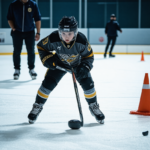
- Obstacle course: Set up cones or pylons and skate through while focusing on scanning side to side.
- Puck passing with head up: Pass the puck while maintaining a steady gaze at the play instead of looking down at the puck.
3. Learn to Track Multiple Moving Objects
Tracking multiple players and the puck simultaneously is vital. Improve this skill by:
- Multi-object tracking exercises: Watch game footage and try to follow several players at once.
- Reaction drills: Use flashing lights or moving targets to train your eyes to shift focus quickly.
- Focus on the puck and key players: Shift your visual attention based on play development.
4. Enhance Pattern Recognition
Understanding common plays and formations enables anticipatory awareness. To build this skill:
- Study game footage: Observe team strategies and typical setups.
- Learn to recognize cues: Identify opponent habits, such as when a forward typically passes or shoots.
- Practice scenario drills: Simulate game situations to recognize and respond quickly.
5. Improve Reaction Time
Quick reactions are essential for adapting to on-ice changes. Techniques include:
- Timed drills: Use reaction timing exercises with lights or sounds to develop immediate responses.
- Focus on anticipation: Train to read opponents so you can react proactively rather than reactively.
6. Strengthen Memory and Mental Processing
Good awareness isn’t only visual; it also involves mental processing. Tips include:
- Game visualization: Mentally rehearse plays and scenarios.
- Review game footage: Identify situations where awareness was crucial and analyze your response.
- Stay mentally alert: Avoid distractions and keep focus during gameplay.
Drills to Boost Hockey Vision and Situational Awareness
Tracking Drill: The Multi-Target Exercise
| Setup | Execution | Goal |
|---|---|---|
| Place 4-6 players or targets in different locations around the rink | Skate around and consciously observe and track the movement of each target simultaneously for a set period (e.g., 30 seconds) | Enhance the ability to monitor multiple objects concurrently without losing focus |
Pattern Recognition: Play Scenario Drills
- Set up customary plays: Practice common offensive and defensive patterns.
- Observe opponent habits: Identify tendencies and anticipate their moves.
- Adjust based on feedback: Reflect on the plays and improve anticipation.
Head-Up Skating Drill
- Skate laps across the ice while keeping the head up and scanning for open players and threats.
- Use markers or visual cues to verify your peripheral vision’s effectiveness.
Integrating Mental Skills into On-Ice Play
Concentration Exercises
Maintaining high levels of focus during demanding moments is crucial. Techniques include:
- Mindfulness training: Short meditation sessions to enhance focus and awareness.
- Deep breathing exercises: To reduce stress and improve concentration under pressure.
Situational Awareness Checks
Develop habits of routinely assessing the game environment, such as:
- Noticing the position of all players before puck retrieval.
- Always being aware of the puck carrier’s options.
- Monitoring the game clock and score to gauge urgency.
Summary of Key Techniques to Improve Hockey Vision and Awareness
| Technique | Purpose | Implementation Tips |
|---|---|---|
| Peripheral Vision Development | See the entire ice surface without head movement | Focus on central point, practice awareness exercises |
| Head-Up Skating | Keep eyes on the game instead of the puck | Skate while scanning and reacting to surroundings |
| Multi-Object Tracking | Follow multiple players/pucks at once | Use drills with moving targets or game footage analysis |
| Pattern Recognition | Identify and anticipate common plays | Study game footage, simulate scenarios |
| Reaction Training | Respond quickly to game developments | Reaction drills with lights/sounds, anticipation exercises |
| Mental Conditioning | Maintain focus and quick decision-making | Visualization, mindfulness, situational awareness routines |
Final Thoughts
For amateur hockey players, the journey to improving vision and situational awareness demands consistent practice and mental discipline. Incorporating targeted drills, sharpening observational skills, and fostering a strategic mindset will result in tangible improvements on the ice. Remember, developing these skills is not an overnight process; patience and perseverance are vital. As players become better at perceiving and processing game information, they will find themselves making smarter plays, reacting faster, and ultimately elevating their overall game performance.
By emphasizing the importance of visual perception and game awareness, amateur players can gain a critical edge over their opponents, contributing to team success and personal development as skilled, insightful hockey athletes.
Похожие записи:
 Mastering the Art of Following a Hockey Game’s Flow: Essential Tips for Amateur Players to Improve Awareness
  Mastering the Art of Reading the Game in Hockey: A Guide for Amateurs
  The Critical Role of Communication on the Ice for Achieving Superior Team Coordination in Amateur Hockey
  Mastering Fast Decision-Making Skills in Hockey During Pace Play
  Mastering the Mental Game: How to Manage Stress and Stay Focused During Intense Hockey Moments
  Mastering Fast Reflexes: Unlock Your Potential as a Hockey Goaltender
  How to Avoid Common Hockey Penalties: Expert Tips for Amateur Players
  Essential Safety Tips for Novice Players: Ensuring Safe and Enjoyable Hockey for Amateurs
  Mastering On-Ice Communication: Essential Tips for Effective Player Interaction in Amateur Hockey
  Mastering Hockey: How Watching Online Tutorials and Videos Can Elevate Your Game for Amateur Players
  Mastering Concentration: Proven Tips to Maintain Mental Focus During Hockey Games
  Mastering Proper Hockey Stick Use: Tips to Enhance Performance and Prevent Injuries
  The Crucial Role of Practice Drills in Enhancing Hockey Skills for Amateurs
  Effective Wing and Center Play Strategies for Offense in Hockey: Simplified Tactics for Amateurs
  Mastering the Art of Dodging and Avoiding Opponents in Hockey: Tips for Amateur Players
  Ultimate Guide to Drills that Boost Eye and Hand Coordination for Amateur Hockey Enthusiasts