
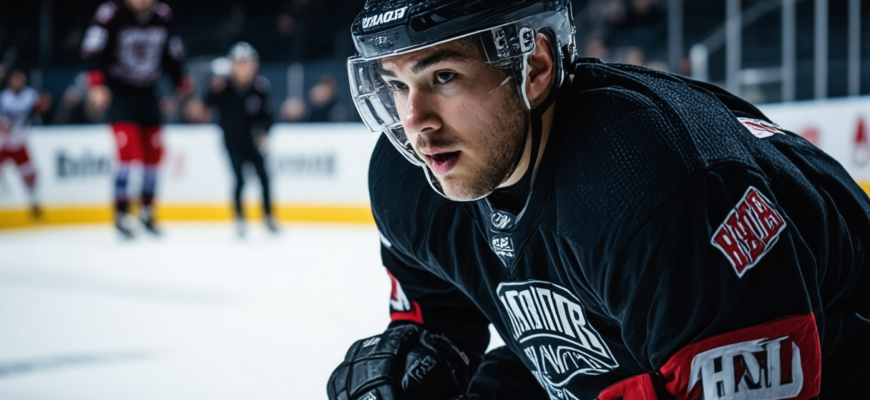
Playing hockey at an amateur level can be exhilarating, but it also brings its fair share of stressful situations. Whether it’s a game-deciding moment, a critical penalty, or simply managing the pressure of competition, the ability to stay calm and focused can dramatically influence performance. This comprehensive guide explores effective strategies to manage game-related stress, sharpen concentration, and maintain peak mental clarity, ensuring that amateur hockey enthusiasts can enjoy the sport while performing at their best under pressure.
- Understanding Stress in Hockey: Why It Happens and Its Effects
- What Is Stress and Why Does It Affect Hockey Players?
- The Impact of Stress on Performance
- Key Principles of Stress Management for Amateur Hockey Players
- 1. Recognize and Accept Stress
- 2. Prepare Mentally and Physically
- 3. Develop Pre-Game Routines
- 4. Practice Mindfulness and Deep Breathing
- Effective Techniques to Stay Focused Under Pressure
- H1>Breathing Exercises for Instant Calm
- Visualization Techniques
- Progressive Muscle Relaxation (PMR)
- Implementing Focus-Enhancing Strategies in a Hockey Game
- 1. Stay with the Present Moment
- 2. Use Anchors or Cues
- 3. Break Down Complex Situations
- 4. Adopt a “Cold” Mindset
- Training Mental Resilience: Practice and Repetition
- Simulate Pressure Situations During Practice
- Maintain a Mental Journal
- Build Confidence Through Preparation
- Additional Tips for Staying Focused and Calm
- Summary: Combining Physical and Mental Preparation for Peak Performance
- References and Further Reading
Understanding Stress in Hockey: Why It Happens and Its Effects
What Is Stress and Why Does It Affect Hockey Players?
Stress, in the context of sports, is the physiological and psychological response to perceived pressure or threat. During a hockey game, stress triggers a cascade of hormonal reactions—primarily adrenaline and cortisol—that prepare the body to respond quickly. While a moderate level of arousal can boost performance temporarily, excessive stress often hampers focus, decision-making, and physical coordination.
Common sources of stress in amateur hockey include:
- High-stakes moments, such as penalties or game-winning plays
- Pressure from coaches, teammates, or spectators
- Fear of making mistakes or letting the team down
- Physical fatigue or injuries
- Personal expectations and self-imposed pressure
The Impact of Stress on Performance
When stress becomes overwhelming, players may experience:
- Decreased reaction time
- Impaired decision-making capacity
- Reduced physical coordination
- Increased likelihood of errors or turnovers
- Negative thoughts leading to loss of confidence
Understanding these effects underscores the importance of mental management techniques—allowing athletes to maintain composure and optimal focus during critical game moments.
Key Principles of Stress Management for Amateur Hockey Players
1. Recognize and Accept Stress
The first step in managing stress is awareness. Players need to recognize when they’re experiencing heightened anxiety or tension. Acceptance helps prevent negative thought spirals; instead, viewing stress as a normal part of competition can reduce its intensity.
2. Prepare Mentally and Physically
That preparation includes practicing technical skills, understanding game tactics, and mentally rehearsing common high-pressure scenarios. Physical readiness—adequate rest, nutrition, and hydration—also plays a vital role in resilience against stress.
3. Develop Pre-Game Routines
Consistent routines, such as warm-up rituals or breathing exercises, help signal to the brain that it’s time to focus. Routines foster familiarity and calm nerves before and during the game.
4. Practice Mindfulness and Deep Breathing
Mindfulness techniques train players to stay present, reducing worry about past mistakes or future outcomes. Deep breathing exercises activate the parasympathetic nervous system, promoting relaxation.
Effective Techniques to Stay Focused Under Pressure
H1>Breathing Exercises for Instant Calm
One of the simplest and most effective ways to manage acute stress during a game is controlled breathing. The key is to slow down the breathing rate and ensure deep, diaphragmatic breaths.
| Technique | Description | Steps |
|---|---|---|
| Box Breathing | A structured breathing pattern that enhances concentration and calmness. |
|
| Deep Diaphragmatic Breathing | Engages the diaphragm to oxygenate the body efficiently. |
|
Visualization Techniques
Visualization involves mentally rehearsing successful scenarios, such as scoring a goal or making a critical save. By creating a vivid mental image, players can boost confidence and reduce anxiety.
- Close your eyes and imagine yourself executing a perfect play
- Focus on sensory details—sights, sounds, sensations.
- Revisit this image repeatedly to reinforce positive expectations.
Progressive Muscle Relaxation (PMR)
PMR involves tensing and relaxing muscle groups progressively to release physical tension, which can translate into mental calmness.
For example:
- Tense the shoulders for 5 seconds
- Release and relax for 10 seconds
- Proceed to other muscle groups—arms, legs, neck—in sequence
Implementing Focus-Enhancing Strategies in a Hockey Game
1. Stay with the Present Moment
One of the biggest challenges during a match is distracting thoughts. Players should employ techniques such as focusing on the puck, the sound of skates on ice, or their breathing to remain anchored in now.
2. Use Anchors or Cues
Physical cues, like tapping the stick or focusing on a specific spot on the ice, can serve as anchors that redirect attention back to the task when distracted.
3. Break Down Complex Situations
Large, stressful moments can be overwhelming. Breaking them into smaller, manageable parts—like focusing solely on positioning first—can reduce anxiety and improve effectiveness.
4. Adopt a “Cold” Mindset
Staying emotionally neutral—neither overly excited nor panicked—helps maintain consistency. Think of a “serene shark” or “calm predator” mindset to stay composed.
Training Mental Resilience: Practice and Repetition
Simulate Pressure Situations During Practice
Recreate game-like pressure during training sessions by:
- Introducing timed drills with high stakes
- Using whistle signals to simulate referees’ calls
- Playing “shock” scenarios where mistakes lead to extra running or other penalties
Maintain a Mental Journal
Encourage players to track their emotional states, stress triggers, and effective coping techniques. Reflection aids awareness and growth.
Build Confidence Through Preparation
Knowing that one is well-prepared significantly reduces stress. Study game plans thoroughly, review skills regularly, and set achievable goals for each game.
Additional Tips for Staying Focused and Calm
- Get adequate sleep before game day
- Stay hydrated and eat balanced meals to sustain energy and focus
- Maintain a positive attitude; avoid negative self-talk
- Focus on controllable factors—effort, attitude, technique—rather than outcomes
- Develop camaraderie and team support to share pressure collectively
Summary: Combining Physical and Mental Preparation for Peak Performance
Managing game stress and maintaining focus under pressure is a skill that combines mental techniques, physical preparation, and strategic practice. While natural adrenaline and nerves are inevitable during intense moments in amateur hockey, players equipped with mindfulness, breathing exercises, visualization, and focus strategies can harness these feelings to enhance performance rather than hinder it.
Remember, consistency in mental training, much like physical skills, leads to improved resilience over time. Building mental toughness allows hockey enthusiasts not only to enjoy the sport more but also to develop a competitive edge—making each game a more rewarding experience.
References and Further Reading
- Gould, D., & Udry, E. (2002). Psychological skills for enhancing performance: Arousal regulation strategies. Ohio State University.
- Williams, J. M., & Krane, V. (2015). Applied Sport Psychology: Personal Growth to Peak Performance. McGraw-Hill Education.
- Mindfulness in Sports. (2020). Journal of Applied Sports Psychology.
Похожие записи:
 Mastering Concentration: Proven Tips to Maintain Mental Focus During Hockey Games
  Mastering the Art of Reading the Game in Hockey: A Guide for Amateurs
  Mastering the Art of Following a Hockey Game’s Flow: Essential Tips for Amateur Players to Improve Awareness
  Mastering Consistency: Proven Strategies to Stay Motivated and Improve in Hockey for Amateurs
  How to Stay Motivated as a Beginner Hockey Player: Tips for Amateur Enthusiasts
  Mastering On-Ice Communication: Essential Tips for Effective Player Interaction in Amateur Hockey
  Mastering Hockey: How Watching Online Tutorials and Videos Can Elevate Your Game for Amateur Players
  The Ultimate Guide to Maintaining Your Hockey Equipment: Stay Safe and Improve Performance
  The Ultimate Guide to Disinfecting and Cleaning Hockey Equipment: Protect Your Gear and Stay Safe on the Ice
  Mastering the Art of Precision: How to Improve Your Hockey Shooting Accuracy
  Mastering Youth and Amateur Leagues: Essential Rules and Winning Strategies for Aspiring Hockey Players
  Mastering Fast Decision-Making Skills in Hockey During Pace Play
  Mastering Power Plays and Penalty Kill Tactics for Amateur Hockey Teams
  Mastering Overtime and Shootouts Rules in Hockey: A Guide for Amateur Enthusiasts
  Mastering Hockey Skills: A Comprehensive Guide to Creating an Effective Personal Practice Routine for Faster Improvement
  The Critical Role of Rest and Recovery in Amateur Hockey Success