
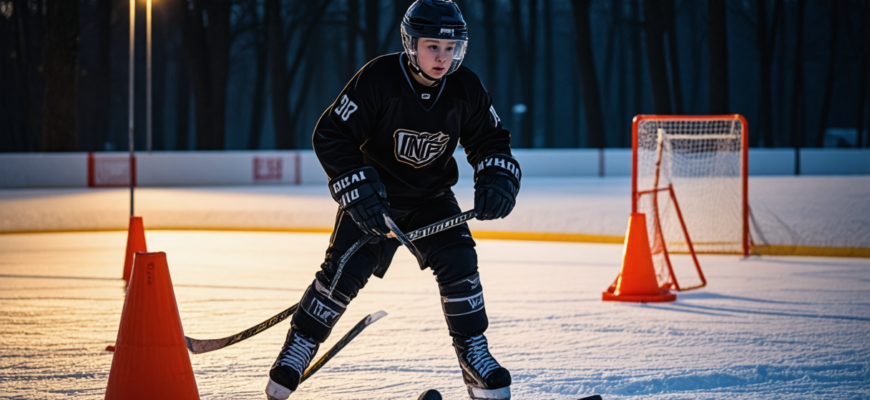
For amateur hockey players, elevating skills and enhancing performance requires more than just time on the ice. A well-structured personal practice routine can accelerate progress, help develop consistency, and build confidence. This extensive guide offers a detailed plan to help hockey enthusiasts craft personalized training schedules, adopt effective exercises, and optimize their practice to see tangible results faster. Whether you are a beginner or an intermediate player, mastering the art of intentional practice is crucial on the journey toward greatness.
- Understanding the Importance of a Personalized Practice Routine
- Fundamental Principles of Effective Practice for Hockey Players
- 1. Focus on Quality, Not Just Quantity
- 2. Incorporate Varied Drills and Skills
- 3. Set Clear, Measurable Goals
- 4. Consistency Is Key
- 5. Rest and Recovery Are Crucial
- Step-by-Step Guide to Building Your Personal Practice Routine
- Step 1: Assess Your Current Skills and Identify Weaknesses
- Step 2: Define Your Goals and Timeline
- Step 3: Design Your Weekly Practice Schedule
- Step 4: Select Specific Drills and Exercises
- Step 5: Incorporate Progressional Challenges
- Sample Weekly Practice Routine for Amateur Hockey Players
- Monday
- Tuesday
- Wednesday
- Thursday
- Friday
- Saturday
- Sunday
- Measuring Progress and Adjusting Your Routine
- Tracking Metrics
- Utilizing Feedback
- Reassessing Goals
- Additional Tips for Accelerated Skill Development
- 1. Engage in Cross-Training
- 2. Maintain Proper Nutrition and Hydration
- 3. Prioritize Sleep and Rest
- 4. Practice Mental Skills
- Creating a Routine for Rapid Progress in Hockey
- Additional Resources
Understanding the Importance of a Personalized Practice Routine
Before delving into the specifics of creating a routine, it’s vital to understand why tailored practice plans matter. Unlike generic training sessions, a personalized approach considers individual skill levels, strengths, weaknesses, and goals. It allows players to focus on areas that need improvement, maximize efficiency, and prevent burnout or injury.
Developing a recurring schedule also fosters discipline, ensures consistent effort, and creates measurable progress over time. Recognizing the importance of tailoring exercises and drills to specific needs increases motivation and makes practice sessions both productive and engaging.
Fundamental Principles of Effective Practice for Hockey Players
1. Focus on Quality, Not Just Quantity
While spending many hours on the ice or practicing stickhandling might seem effective, emphasizing quality over quantity leads to better skill retention. Focus on deliberate practice — performing particular drills with full concentration, proper technique, and purposeful feedback.
2. Incorporate Varied Drills and Skills
A balanced routine includes a mix of technical, tactical, and physical exercises. Incorporate drills that target skating, puck control, shooting, passing, agility, and endurance to develop well-rounded skills.
3. Set Clear, Measurable Goals
Define short-term and long-term objectives, such as improving shot accuracy, increasing skating speed, or mastering a new move. Tracking progress helps maintain motivation and adjust routines accordingly.
4. Consistency Is Key
Regular, scheduled practice sessions significantly outperform sporadic efforts. Consistency ingrains muscle memory and builds confidence.
5. Rest and Recovery Are Crucial
Overtraining leads to fatigue and injury. Schedule rest days and include recovery techniques, such as stretching and proper nutrition, to optimize performance.
Step-by-Step Guide to Building Your Personal Practice Routine
Step 1: Assess Your Current Skills and Identify Weaknesses
Begin with an honest evaluation of your abilities. Record yourself during practice or games, seek feedback from coaches or teammates, and analyze areas needing improvement. Use this assessment to prioritize exercises in your routine.
Step 2: Define Your Goals and Timeline
- Short-term goals: e.g., improve wrist shot accuracy by 20% in one month.
- Long-term goals: e.g., master the pull move or increase skating speed over 6 months.
Step 3: Design Your Weekly Practice Schedule
Structure your week around balanced daily sessions, combining on-ice and off-ice activities. For example:
| Day | Activities | Duration |
|---|---|---|
| Monday | On-ice drills: skating, puck control | 1.5 hours |
| Tuesday | Off-ice conditioning: strength and endurance | 1 hour |
| Wednesday | On-ice shooting and passing drills | 1.5 hours |
| Thursday | Tactical analysis and video review | 1 hour |
| Friday | Free practice or focus on weak areas | 1.5 hours |
| Saturday | Rest or light recovery activities | – |
| Sunday | Game simulation or scrimmage | 2 hours |
Step 4: Select Specific Drills and Exercises
- Skating drills: edge work, starts, stops, turns
- Puck control: stickhandling through cones, toe drag exercises
- Shooting drills: wrist shots, slap shots, quick-release shots
- Passing drills: one-timer accuracy, partner passing at different angles
- Physical conditioning: sprint intervals, resistance training, core workouts
Step 5: Incorporate Progressional Challenges
Gradually increase the difficulty of drills by adding complexity or speed. For example:
- Start with stationary puck control, then progress to moving puck drills
- Increase shooting distance or add obstacles
- Perform sprints with shorter recovery times to boost endurance
Sample Weekly Practice Routine for Amateur Hockey Players
Here is an example of a comprehensive weekly routine tailored for amateur players aiming for rapid skill development:
Monday
- Warm-up: Dynamic stretching (10 minutes)
- On-ice skating drills: edge control and transitions (30 minutes)
- Puck handling: cone weaving, figure-eight drills (20 minutes)
- Shooting practice: wrist and slap shots (20 minutes)
- Cool-down and stretching (10 minutes)
Tuesday
- Off-ice strength training: core, legs, upper body (60 minutes)
- Endurance cardio: running, cycling, or rowing (30 minutes)
- Flexibility: stretching or yoga (15 minutes)
Wednesday
- Warm-up: light skating or skipping (10 minutes)
- Passing drills with a partner (20 minutes)
- Reaction drills: quick stickhandling responses (15 minutes)
- Shooting accuracy challenge (20 minutes)
- Cooldown (10 minutes)
Thursday
- Video review of previous games/practice (30 minutes)
- Tactical exercises: positioning and anticipation (30 minutes)
- Agility drills: ladder, cone drills (20 minutes)
- Shadow skating focusing on technique (20 minutes)
Friday
- Unstructured practice: work on any weak areas (Full session)
- Optional: light game or scrimmage with friends (1-2 hours)
Saturday
Active rest with light recovery activities such as walking, yoga, or foam rolling.
Sunday
- Game or scrimmage scenario (Full game simulation)
- Post-game analysis and cool-down stretches
Measuring Progress and Adjusting Your Routine
Tracking Metrics
To ensure continuous improvement, use various metrics to monitor your progress:
- Technical skills: shooting accuracy percentage, puck control speed
- Physical fitness: endurance level, sprint times
- On-ice performance: skating speed, agility, game awareness
Utilizing Feedback
Regular feedback from coaches, peers, or self-assessment can highlight areas needing additional focus. Adjustments may include increasing practice time for specific skills or introducing new drills to challenge yourself further.
Reassessing Goals
Periodically review your objectives. As skills improve, set new, more ambitious targets to maintain motivation and growth.
Additional Tips for Accelerated Skill Development
1. Engage in Cross-Training
Complement hockey training with sports that develop agility, strength, and endurance, such as soccer, basketball, or swimming.
2. Maintain Proper Nutrition and Hydration
A well-balanced diet and adequate water intake support muscle recovery and energy levels necessary for effective practice.
3. Prioritize Sleep and Rest
The body repairs itself during sleep, making restful nights critical for progress and injury prevention.
4. Practice Mental Skills
Develop visualization, focus, and stress management techniques to improve game awareness and confidence.
Creating a Routine for Rapid Progress in Hockey
Developing a personalized practice routine is essential for amateur hockey enthusiasts eager to improve their skills efficiently and effectively. By carefully assessing current abilities, setting clear goals, designing balanced drills, and tracking progress, players can create a structured environment that nurtures growth. Remember that consistency, deliberate effort, and patience are the keys to transforming practice sessions into tangible on-ice success. With dedication and a well-planned schedule, aspiring hockey players can accelerate their development and enjoy the sport at a higher level.
Additional Resources
- Hockey Drills and Skills Development Exercises
- Off-Ice Conditioning for Hockey Players
- Mental Toughness and Focus Techniques in Hockey
- Nutrition Tips for Hockey Athletes
- Effective Recovery Methods for Athletes
Похожие записи:
 The Crucial Role of Practice Drills in Enhancing Hockey Skills for Amateurs
  Essential Hockey Drills to Elevate Your Skills at Home or During Practice
  Simple Drill Routines for Consistent Improvement in Hockey for Amateurs
  Mastering the Ice: A Comprehensive Guide to the Basic Rules of Ice Hockey for Beginners
  Mastering Recovery and Rebound Control: Essential Skills for Amateur Hockey Players
  Speed Drills to Enhance Your On-Ice Performance in Hockey: A Comprehensive Guide for Amateurs
  Mastering Fast Decision-Making Skills in Hockey During Pace Play
  Mastering Faceoff Techniques: A Comprehensive Guide for Amateur Hockey Enthusiasts
  Mastering Offensive Strategies: How to Plan Effective Attacks and Maintain Possession in Hockey for Amateurs
  Mastering Puck Handling: How to Improve Your Hockey Skills at Home
  Mastering Power Play: Essential Strategies for Effective Hockey Performance
  Mastering Team Chemistry: Essential Tips for Effective Collaboration in Amateur Hockey
  Building Confidence in Your Skating and Puck Skills: A Complete Guide for Amateur Hockey Players
  Effective Warm-up and Cool-down Routines for Amateur Hockey Players: Maximize Performance and Minimize Injuries
  The Basics of Power, Balance, and Body Movement for Better Hockey Skills
  Incorporating Fun Drills to Enhance Hockey Skills: A Guide for Amateur Players