
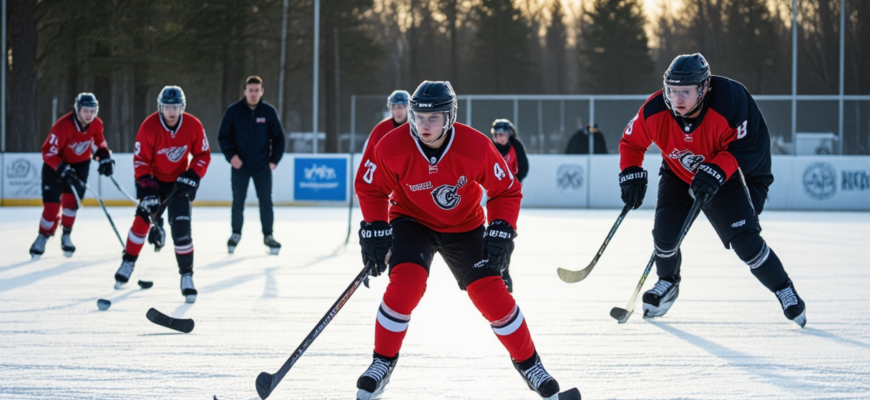
Hockey is a fast-paced, highly skill-dependent sport that demands precise technique, quick decision-making, and exceptional physical endurance. For amateur players striving to elevate their game, consistent practice is essential. Among various training methods, practice drills stand out as fundamental tools designed to develop specific skills, build muscle memory, and boost overall gameplay performance. Understanding how to effectively incorporate drills into training routines can be transformative for amateur hockey enthusiasts. This comprehensive guide explores the myriad ways practice drills contribute to skill enhancement, offering insights, methodologies, and practical tips tailored for amateurs aiming to master the sport.
- Introduction to Practice Drills in Hockey
- Benefits of Practice Drills for Amateur Hockey Players
- 1. Skill Development and Technique Refinement
- 2. Muscle Memory Formation
- 3. Increased Confidence and Mental Readiness
- 4. Tactical Awareness and Decision-Making
- 5. Physical Conditioning
- Types of Practice Drills for Amateur Hockey Players
- Skating Drills
- Puck Control and Stickhandling Drills
- Shooting Drills
- Passing and Receiving Drills
- Defensive Drills
- Designing an Effective Practice Routine
- Step 1: Set Clear Goals
- Step 2: Incorporate Variety and Progression
- Step 3: Allocate Time Wisely
- Step 4: Consistent Monitoring and Feedback
- Common Mistakes to Avoid in Practice Drills
- 1. Lack of Planning
- 2. Overlooking Fundamentals
- 3. Insufficient Repetition
- 4. Neglecting Physical Conditioning
- The Role of Coaches and Training Partners
- Sample Weekly Practice Plan for Amateur Hockey Enthusiasts
- Practice Drills as the Cornerstone of Hockey Skill Enhancement
Introduction to Practice Drills in Hockey
Practice drills are structured exercises focused on developing particular aspects of hockey, such as skating, puck control, shooting accuracy, passing, and defensive skills. Unlike free play or informal practice, drills are designed with precise objectives, measurable outcomes, and often repetitive patterns to ingraining skills subconsciously. For amateur players, consistent engagement with well-designed drills accelerates technical proficiency and game understanding.
Benefits of Practice Drills for Amateur Hockey Players
1. Skill Development and Technique Refinement
Drills focus on honing fundamental skills needed during actual gameplay. Repetition helps engrain proper techniques, such as effective stickhandling, efficient skating strides, and accurate shooting, ensuring these actions become second nature during matches.
2. Muscle Memory Formation
Through repetitive drilling, players develop muscle memory, allowing their bodies to execute complex movements automatically. This is vital for reacting quickly during game situations without overthinking.
3. Increased Confidence and Mental Readiness
Mastery of specific skills through drills translates into higher confidence on ice. Knowing that certain techniques are well-practiced helps players perform under pressure, reducing mistakes and hesitations.
4. Tactical Awareness and Decision-Making
Specialized drills can simulate game scenarios, improving players’ ability to read the game, anticipate opponents’ moves, and make smarter decisions in real-time.
5. Physical Conditioning
Many drills also serve a dual purpose by enhancing strength, endurance, and agility, which are crucial for sustaining high-level performance throughout a game.
Types of Practice Drills for Amateur Hockey Players
Skating Drills
Skating forms the foundation of hockey skills. Effective skating drills improve speed, agility, balance, and stride efficiency. Examples include:
- Forward and backward skating circles: Enhance control and balance.
- Sprint drills: Build explosive speed.
- Stop-and-start exercises: Improve quickness and agility.
Puck Control and Stickhandling Drills
Handling the puck smoothly and accurately is vital. Popular exercises comprise:
- Figure-eight drills: Develop tight control.
- Cone weaving: Enhance maneuverability.
- One-handed stickhandling: Strengthen hand-eye coordination.
Shooting Drills
Shooting accuracy and power are critical for goal scoring. Recommended exercises include:
- Target shooting: Aim at specific net zones to improve precision.
2. Wrist shot and slap shot practice: Generate strength and consistency.
3. Rapid-fire drills: Enhance quick shooting under pressure.
Passing and Receiving Drills
Effective passing is key to team play. Practical drills encompass:
- Wall passes: Practice quick and accurate passing.
- Partner passing: Improve timing and coordination.
- Passing in motion: Simulate game situations for better responsiveness.
Defensive Drills
Defensive skills thwart opponents’ scoring efforts. Examples include:
- One-on-one defense: Practice positioning and stick checks.
- Angling exercises: Force attackers away from dangerous areas.
- Shadow drills: Mimic opponent moves to anticipate and react accurately.
Designing an Effective Practice Routine
Step 1: Set Clear Goals
Identify specific skills or areas that need improvement, such as shooting accuracy, skating speed, or defensive positioning. Clear objectives help tailor drills and measure progress.
Step 2: Incorporate Variety and Progression
Mix different drills to cover all fundamental aspects of hockey and gradually increase complexity as skills improve. For example, start with stationary puck control, then progress to moving puck drills, followed by simulated game scenarios.
Step 3: Allocate Time Wisely
Divide practice time among different focus areas. A sample schedule for a 2-hour session:
| Time (minutes) | Activity | Focus Area |
|---|---|---|
| 20 | Warm-up skating | Skating |
| 30 | Skating drills | Skating |
| 30 | Puck control and stickhandling | Ball-handling skills |
| 20 | Shooting practice | Shooting accuracy and power |
| 20 | Passing drills | Team play fundamentals |
| 10 | Cool down and stretching | Flexibility and recovery |
Step 4: Consistent Monitoring and Feedback
Track progress through video analysis, coach feedback, or self-assessment. Adjust drills accordingly to ensure continuous improvement.
Common Mistakes to Avoid in Practice Drills
1. Lack of Planning
Performing random drills without clear goals can lead to inefficient use of practice time. Planning ensures each session contributes to skill development.
2. Overlooking Fundamentals
Focusing only on advanced skills without mastering basics hampers long-term progress. Solid fundamentals are the building blocks for advanced techniques.
3. Insufficient Repetition
Skimping on repetition prevents muscle memory formation. Consistency is key to ingraining skills into instinctive reactions.
4. Neglecting Physical Conditioning
Skills training should be complemented with strength and endurance exercises. A well-rounded approach improves overall game performance.
The Role of Coaches and Training Partners
While self-practice is crucial, the involvement of coaches or experienced players amplifies learning. Coaches provide valuable feedback, correct techniques, and introduce challenging drills. Training partners enable dynamic exercises like passing and defensive drills, simulating real-game scenarios more effectively.
Sample Weekly Practice Plan for Amateur Hockey Enthusiasts
To optimize skill development, amateur players can follow a structured weekly plan:
- Monday: Skating drills and conditioning exercises.
- Tuesday: Puck control and stickhandling practice.
- Wednesday: Shooting accuracy sessions.
- Thursday: Passing and team-play drills.
- Friday: Defensive positioning and endurance training.
- Saturday: Scrimmage or simulated game scenarios.
- Sunday: Rest and recovery, stretching routines.
Practice Drills as the Cornerstone of Hockey Skill Enhancement
For amateur hockey players, mastering the sport requires dedication, consistency, and strategic practice. Practice drills serve as the backbone of skill development, enabling players to refine their techniques, build physical resilience, and gain confidence. By thoughtfully designing and executing structured drills, enthusiasts transform their gameplay, making each session a step closer to hockey mastery. Whether aiming to improve skating speed, puck handling precision, or defensive tactics, integrating a variety of drills into regular training routines is vital for sustained progress. Ultimately, disciplined and purposeful practice becomes the catalyst for unlocking potential and enjoying the full thrill of hockey on every ice surface.
Похожие записи:
 Essential Hockey Drills to Elevate Your Skills at Home or During Practice
  Mastering Hockey Skills: A Comprehensive Guide to Creating an Effective Personal Practice Routine for Faster Improvement
  The Crucial Role of Fitness and Strength in Hockey Performance
  Essential Stickhandling Drills for New Hockey Players: Improve Your Skills on Ice
 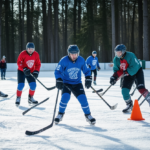 Incorporating Fun Drills to Enhance Hockey Skills: A Guide for Amateur Players
 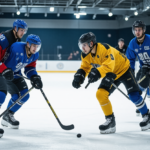 Effective Passing Drills to Boost Teamwork in Hockey for Amateurs
 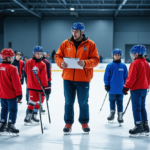 Understanding the Role of Coaches in Amateur Hockey Development
 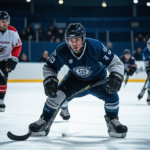 Effective Defensive Drills to Strengthen Your Hockey Protectiveness
  Speed Drills to Enhance Your On-Ice Performance in Hockey: A Comprehensive Guide for Amateurs
  The Critical Role of Communication on the Ice for Achieving Superior Team Coordination in Amateur Hockey
  The Critical Role of Rest and Recovery in Amateur Hockey Success
  The Basics of Power, Balance, and Body Movement for Better Hockey Skills
  Mastering Precision: Essential Drills to Improve Passing Accuracy in Hockey
  Mastering Fast Decision-Making Skills in Hockey During Pace Play
  Mastering Recovery and Rebound Control: Essential Skills for Amateur Hockey Players
  The Critical Role of Teamwork and Communication in Ice Hockey Success