
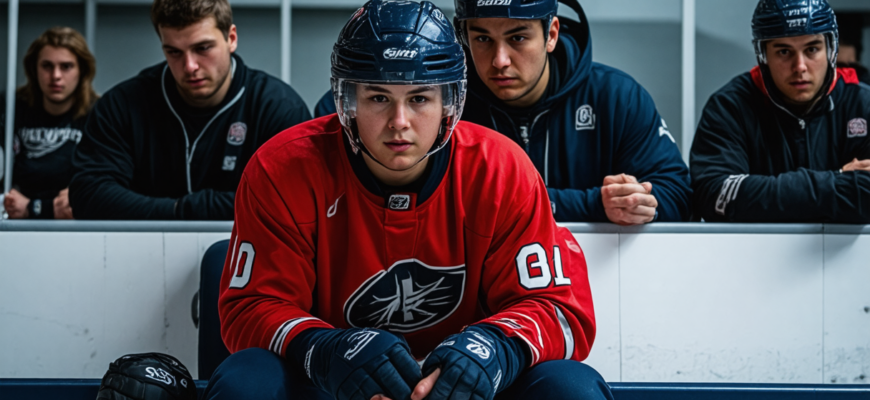
In the world of amateur hockey, dedication, practice, and physical exertion are essential ingredients for improvement and success. However, often overlooked is the fundamental importance of rest and recovery. Without proper recovery, players risk diminished performance, increased injury risk, and burnout. This comprehensive guide explores why rest and recovery are vital, how to implement effective strategies, and the benefits they bring to amateur hockey enthusiasts striving for excellence.
- Understanding the Importance of Rest in Athletic Performance
- What Is Rest and Why Does It Matter?
- Physiological Processes During Rest
- Consequences of Insufficient Rest and Recovery
- Performance Decline
- Increased Injury Risk
- Burnout and Mental Fatigue
- Fundamental Principles of Rest and Recovery for Amateur Hockey Players
- 1. Prioritize Sleep
- 2. Incorporate Active Recovery
- 3. Nutrition and Hydration
- 4. Rest Days and Schedule Management
- 5. Use of Recovery Tools and Techniques
- Developing a Personalized Recovery Plan
- Assessing Individual Needs
- Sample Weekly Recovery Schedule
- Quantitative Aspect: Recovery Metrics and Monitoring
- Key Performance Indicators (KPIs) for Recovery
- Applying Data for Better Recovery
- Integrating Rest and Recovery into Long-Term Training Plans
- Periodization for Peak Performance
- Psychological Benefits of Rest
- Common Myths About Rest and Recovery in Hockey
- Myth 1: More Practice Means Better Performance
- Myth 2: Rest Is a Sign of Weakness
- Myth 3: Recovery Takes Away Practice Time
- Prioritizing Rest for Sustainable Hockey Success
- References and Resources
Understanding the Importance of Rest in Athletic Performance
What Is Rest and Why Does It Matter?
Rest is not merely the absence of activity; it is a critical component of any training regimen that facilitates physical and mental restoration. For hockey players, who engage in high-intensity skating, shooting, and physical contact, adequate rest allows muscles to repair, energy stores to replenish, and mental clarity to return. It also helps in preventing overtraining syndrome — a condition characterized by prolonged fatigue, decreased performance, and heightened injury risk.
Physiological Processes During Rest
During rest periods, several physiological processes occur that are essential for recovery:
- Muscle Repair: Microtears in muscle fibers caused by intense activity are repaired during rest, leading to stronger muscles.
- Glycogen Replenishment: Carbohydrate stores in muscles (glycogen) are replenished, restoring energy for future play.
- Hormonal Balance: Recovery supports hormonal regulation, including growth hormone and testosterone, which aid tissue repair and muscle growth.
- Mental Rest: Rest reduces mental fatigue, enhances focus, and prevents burnout.
Consequences of Insufficient Rest and Recovery
Performance Decline
Without proper recovery, athletes often notice a decline in their speed, strength, coordination, and overall gameplay. Fatigue accumulates, slowing reaction times and reducing accuracy — critical factors in hockey.
Increased Injury Risk
Overtrained athletes are more susceptible to injuries such as strains, sprains, and stress fractures. The body’s tissues become weaker and less resilient when not allowed to recover adequately.
Burnout and Mental Fatigue
Repeated physical exhaustion without mental downtime can result in loss of motivation, decreased concentration, and mental burnout, undermining long-term commitment to the sport.
Fundamental Principles of Rest and Recovery for Amateur Hockey Players
1. Prioritize Sleep
Sleep is arguably the most crucial component of recovery. For amateur hockey players, aiming for 7-9 hours of quality sleep per night supports physical repair and mental rejuvenation. Several strategies can improve sleep quality:
- Maintain a consistent sleep schedule, going to bed and waking up at the same times daily.
- Create a relaxing bedtime routine to signal the body it’s time to rest.
- Limit screen time before bed and avoid caffeine in the late afternoon/evening.
- Ensure the sleeping environment is cool, quiet, and dark.
2. Incorporate Active Recovery
Active recovery involves low-intensity activities that promote blood flow and tissue repair without causing additional fatigue. Examples include:
- Light skating or cycling
- Stretching and flexibility exercises
- Yoga or Pilates sessions
3. Nutrition and Hydration
Proper nourishment accelerates recovery. Key nutritional tips include:
- Consuming adequate proteins to repair muscles (chicken, fish, legumes)
- Eating a balanced diet rich in fruits, vegetables, and whole grains for vitamins and minerals
- Replenishing electrolytes lost through sweat with sports drinks or salty snacks
- Staying well-hydrated throughout the day
4. Rest Days and Schedule Management
Designing a practice and game schedule that includes regular rest days prevents overtraining. Listening to the body’s signals—such as persistent soreness or fatigue—is vital to adjust training intensity accordingly.
5. Use of Recovery Tools and Techniques
Various tools can aid recovery, including:
- Foam rollers for myofascial release
- Massage therapy
- Compression garments
- Cold therapy (ice baths, cold packs)
- Electrical stimulation devices
Developing a Personalized Recovery Plan
Assessing Individual Needs
Each hockey player has unique recovery requirements based on age, fitness level, intensity of play, and injury history. It is essential to evaluate personal signs of fatigue or overtraining, such as soreness, mood changes, or sleep disturbances, to tailor recovery strategies.
Sample Weekly Recovery Schedule
| Day | Activities | Focus Area |
|---|---|---|
| Monday | Light skate + stretching | Active recovery |
| Tuesday | Practice game + cool-down | Performance and muscle repair |
| Wednesday | Rest or yoga | Relaxation and flexibility |
| Thursday | Intense practice + drills | Skill development + recovery focus |
| Friday | Light activity + massage | Muscle relaxation |
| Saturday | Game day | Performance |
| Sunday | Complete rest or active recovery | Full restoration |
Quantitative Aspect: Recovery Metrics and Monitoring
Key Performance Indicators (KPIs) for Recovery
Regular monitoring helps track recovery progress:
- Resting Heart Rate (RHR): An elevated RHR indicates fatigue.
- Sleep Quality and Duration: Using apps or wearables to track sleep patterns.
- Perceived Fatigue Level: Self-assessment scales, e.g., Rate of Perceived Exertion (RPE).
- Muscle Soreness and Stiffness: Visual and tactile assessment.
Applying Data for Better Recovery
By analyzing these metrics, athletes can modify training intensity, allocate more rest time, or enhance recovery techniques, leading to optimized performance over time.
Integrating Rest and Recovery into Long-Term Training Plans
Periodization for Peak Performance
Structured training programs often include cycles of intense activity followed by tapering periods dedicated to recovery. This approach enables sustained progression without risking overtraining.
Psychological Benefits of Rest
Rest promotes mental clarity, reduces stress, and enhances focus — essential qualities for competitive play. Mental relaxation techniques, such as mindfulness and visualization, complement physical recovery strategies.
Common Myths About Rest and Recovery in Hockey
Myth 1: More Practice Means Better Performance
Overtraining can lead to diminishing returns. Quality combined with adequate recovery surpasses sheer volume.
Myth 2: Rest Is a Sign of Weakness
On the contrary, recognizing the need for recovery demonstrates strategic thinking and respect for the body’s limits.
Myth 3: Recovery Takes Away Practice Time
Effective recovery ensures sustained progress, ultimately saving time by preventing injuries and setbacks.
Prioritizing Rest for Sustainable Hockey Success
Amateur hockey players aiming to elevate their game must understand that rest and recovery are not optional but integral components of training. Implementing personalized recovery routines enhances physical resilience, mental sharpness, and overall performance. Far from being passive periods, rest days and recovery techniques are active investments in long-term success and enjoyment of the sport. By embracing these principles, amateur athletes can enjoy more consistent performance, minimize injury risk, and foster a lifelong passion for hockey.
References and Resources
- American College of Sports Medicine. (2014). Guidelines for Exercise Testing and Prescription.
- Greene, C. (2019). Optimal Recovery Strategies for Athletes.
- Sports Injury Clinic. (www.sportsinjuryclinic.net)
- National Sleep Foundation. (www.sleepfoundation.org)
Похожие записи:
 The Critical Role of Teamwork and Communication in Ice Hockey Success
  The Critical Role of Core Strength in Enhancing Hockey Performance
  The Critical Role of Communication on the Ice for Achieving Superior Team Coordination in Amateur Hockey
  Nutrition Strategies to Optimize Muscle Recovery for Amateur Hockey Players
  The Crucial Role of Fitness and Strength in Hockey Performance
  Mastering Team Strategies and Support in Amateur Hockey: Achieving Success Together
  Mastering Recovery and Rebound Control: Essential Skills for Amateur Hockey Players
  Understanding the Role of Coaches in Amateur Hockey Development
  Simple Ways to Build Stamina for Hockey: The Ultimate Guide for Amateur Players
  The Crucial Role of Practice Drills in Enhancing Hockey Skills for Amateurs
  Mastering the Art of Puck Recovery: Strategies for Effective Play in Amateur Hockey
  The Essential Role of Hip Pads in Amateur Hockey Safety
  Mastering Hockey Skills: A Comprehensive Guide to Creating an Effective Personal Practice Routine for Faster Improvement
  Mastering Consistency: Proven Strategies to Stay Motivated and Improve in Hockey for Amateurs
  How to Stay Motivated as a Beginner Hockey Player: Tips for Amateur Enthusiasts
  Mastering the Mental Game: How to Manage Stress and Stay Focused During Intense Hockey Moments