
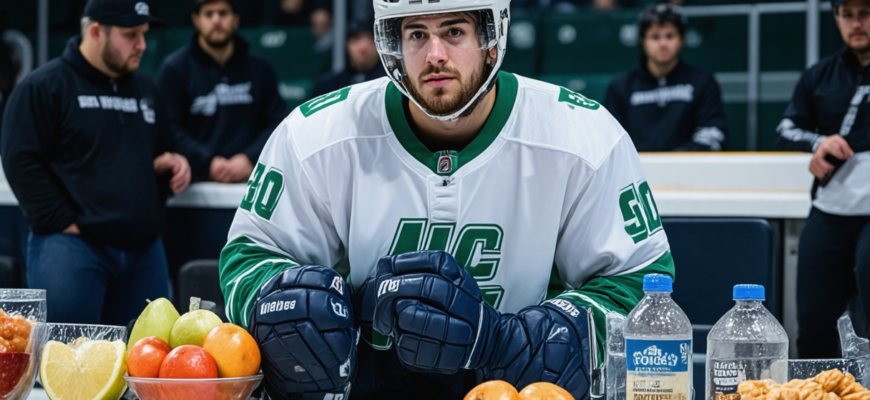
Playing hockey at an amateur level demands not only skill and dedication but also proper physical conditioning. Among the many factors that influence athletic performance, effective muscle recovery stands out as crucial for maintaining strength, preventing injuries, and enhancing overall gameplay. Nutrition plays a corner-turning role in accelerating muscle repair and ensuring players stay fit throughout the season. This comprehensive guide delves into the most effective nutrition strategies tailored for amateur hockey enthusiasts aiming to optimize muscle recovery.
- Understanding Muscle Recovery in Hockey
- Fundamental Nutritional Principles for Effective Muscle Recovery
- 1. Prioritize Carbohydrates
- 2. Incorporate Adequate Protein
- 3. Include Healthy Fats
- 4. Hydration is Critical
- 5. Micronutrients Matter
- Optimal Timing of Nutrient Intake
- Post-Exercise Nutrition
- Pre-Game and Pre-Workout Meals
- During and Post-Match Replenishment
- Sample Daily Meal Plan for Optimal Recovery
- Additional Nutrition Tips for Amateur Hockey Players
- 1. Focus on Whole, Unprocessed Foods
- 2. Avoid Excessive Alcohol and Junk Food
- 3. Consider Supplementation When Needed
- 4. Listen to Your Body
- Understanding Macronutrient Ratios for Recovery
- Role of Hydration and Electrolytes in Muscle Recovery
- Hydration Fundamentals
- Electrolyte Balance
- Electrolyte-Rich Foods and Supplements
- Monitoring and Adjusting Your Nutrition Plan
- Track Your Progress
- Consult Professionals
Understanding Muscle Recovery in Hockey
Hockey is an intense sport involving rapid sprints, sudden stops, repeated collisions, and high endurance demands. These physical exertions lead to microtraumas—tiny injuries within muscle fibers—and deplete glycogen stores that fuel high-intensity movements. Adequate recovery ensures that muscles repair swiftly, regain strength, and prepare for subsequent matches or training sessions.
Key processes during muscle recovery include:
- Replenishment of glycogen stores
- Repair of microtears in muscle fibers
- Reduction of inflammation and oxidative stress
- Restoration of electrolytes lost through sweating
Proper nutrition supports each of these processes, making dietary strategies integral to athletic success in hockey.
Fundamental Nutritional Principles for Effective Muscle Recovery
Effective muscle recovery hinges on balanced nutrition that provides the right macronutrients and micronutrients at appropriate times. These fundamental principles should serve as the backbone of any recovery diet:
1. Prioritize Carbohydrates
Carbohydrates are the primary energy source for high-intensity sports. They replenish glycogen stores depleted during gameplay, which is essential for sustained performance and quick recovery.
2. Incorporate Adequate Protein
Protein supplies amino acids necessary for muscle repair and growth. Consuming sufficient protein post-exercise speeds up recovery, reduces soreness, and prepares muscles for future activity.
3. Include Healthy Fats
Fats support inflammation regulation and cellular health. Focus on omega-3 fatty acids found in fish, flaxseeds, and walnuts for their anti-inflammatory properties.
4. Hydration is Critical
Proper hydration maintains electrolyte balance, facilitates nutrient transport, and prevents cramping and fatigue. Always replenish lost fluids after matches and training sessions.
5. Micronutrients Matter
Vitamins and minerals like vitamin D, calcium, magnesium, and zinc play essential roles in muscle function, immune support, and recovery processes.
Optimal Timing of Nutrient Intake
Timing nutrition around training and matches maximizes recovery benefits. The concept of the “window of opportunity” emphasizes consuming specific nutrients within 30 to 60 minutes post-exercise. Here’s how to structure nutrient intake effectively:
Post-Exercise Nutrition
- Carbohydrates: Replenish glycogen stores quickly with readily digestible carbs such as fruits, sports drinks, or rice.
- Proteins: Consume high-quality proteins like lean meats, dairy, or protein shakes to supply amino acids for muscle repair.
- Fluids: Rehydrate using water or electrolyte-rich sports drinks.
Pre-Game and Pre-Workout Meals
- Consume a balanced meal rich in carbs and moderate in protein about 2-3 hours before play.
- Include easy-to-digest carbs close to game time, such as bananas or energy bars, if needed.
During and Post-Match Replenishment
- For long matches or intense training sessions, consider mini-snacks with carbs and electrolytes.
- Immediately after, prioritize recovery foods as detailed above.
Sample Daily Meal Plan for Optimal Recovery
| Meal | Foods & Nutrients |
|---|---|
| Breakfast |
|
| Mid-Morning Snack |
|
| Lunch |
|
| Afternoon Snack |
|
| Dinner |
|
| Post-Training Recovery Meal |
|
Additional Nutrition Tips for Amateur Hockey Players
1. Focus on Whole, Unprocessed Foods
Optimize recovery by choosing minimally processed foods rich in nutrients rather than high-sugar, artificial options. Whole foods provide a balanced array of vitamins and minerals essential for muscle repair.
2. Avoid Excessive Alcohol and Junk Food
Alcohol can impair muscle protein synthesis and hydration, while junk foods often lack the necessary nutrients for recovery. Keeping indulgences moderate supports optimal regeneration.
3. Consider Supplementation When Needed
- Omega-3 supplements for anti-inflammatory benefits
- Vitamin D if sun exposure is limited
- Electrolyte tablets or powders during intense play or hot weather
4. Listen to Your Body
Each player’s needs may vary based on intensity, body weight, and individual metabolism. Monitoring soreness, fatigue, and performance can guide personalized nutrition adjustments.
Understanding Macronutrient Ratios for Recovery
Proper ratios of carbs, proteins, and fats contribute to efficient recovery. A typical balanced intake post-exercise could be roughly:
| Macronutrient | Approximate Ratio |
|---|---|
| Carbohydrates | 3:1 or 4:1 (carbs to protein) |
| Proteins | 15-25 grams per meal |
| Fats | Moderate, emphasizing healthy fats |
Combining these in the right proportions helps replenish energy, repair tissues, and reduce inflammation, all of which are vital for a busy hockey schedule.
Role of Hydration and Electrolytes in Muscle Recovery
Hydration Fundamentals
Dehydration reduces blood flow to muscles, hampers nutrient delivery, and prolongs soreness. Drinking enough fluids before, during, and after matches is necessary for optimal recovery.
Electrolyte Balance
Electrolytes such as sodium, potassium, magnesium, and calcium regulate nerve functions and muscle contractions. Loss through sweating can lead to cramps and fatigue if not replenished.
Electrolyte-Rich Foods and Supplements
- Bananas, sweet potatoes, spinach
- Electrolyte drinks (preferably low in sugar)
- Nuts and seeds for magnesium
Monitoring and Adjusting Your Nutrition Plan
Track Your Progress
Use a food diary or nutrition app to monitor intake and recovery markers such as soreness levels, energy, and performance. Adjust quantities and food choices accordingly.
Consult Professionals
For personalized plans, consider consulting a sports dietitian or nutritionist experienced with hockey athletes or active individuals. They can tailor strategies based on individual goals, health conditions, and lifestyle.
Optimizing muscle recovery through targeted nutrition strategies enhances athletic performance, reduces injury risk, and sustains a long-lasting passion for hockey at the amateur level. Incorporating proper timing of nutrient intake, maintaining hydration, and choosing nutrient-dense foods forms the foundation of effective recovery. With consistency and awareness, amateur hockey players can significantly improve their resilience and game quality, turning nutrition into a powerful ally on the ice.
Remember, the journey to optimal performance is gradual. Combining strategic nutrition with regular training, adequate rest, and proper technique will yield the best results for every hockey enthusiast eager to elevate their game.
Похожие записи:
 The Ultimate Guide: Why Hydration and Nutrition Are Vital for Hockey Players
  Mastering the Art of Puck Recovery: Strategies for Effective Play in Amateur Hockey
  The Critical Role of Rest and Recovery in Amateur Hockey Success
  Simple Ways to Build Stamina for Hockey: The Ultimate Guide for Amateur Players
  Mastering Recovery and Rebound Control: Essential Skills for Amateur Hockey Players
  Mastering Consistency: Proven Strategies to Stay Motivated and Improve in Hockey for Amateurs
  Essential Offensive Strategies in Hockey for Amateur Players
  Basic Strategies for Beginner Hockey Players: A Complete Guide for Amateur Enthusiasts
  Mastering Youth and Amateur Leagues: Essential Rules and Winning Strategies for Aspiring Hockey Players
  Effective Tips for Preventing Common Hockey Injuries: A Guide for Amateur Players
  Effective Warm-up and Cool-down Routines for Amateur Hockey Players: Maximize Performance and Minimize Injuries
  Mastering Team Strategies and Support in Amateur Hockey: Achieving Success Together
  Off-Ice Strength Training Exercises for Amateur Hockey Fans: Boost Your Performance Off the Ice
  The Crucial Role of Fitness and Strength in Hockey Performance
  Mastering the Ice: Essential Defensive Positioning Strategies in Hockey for Amateurs
  Effective Wing and Center Play Strategies for Offense in Hockey: Simplified Tactics for Amateurs