
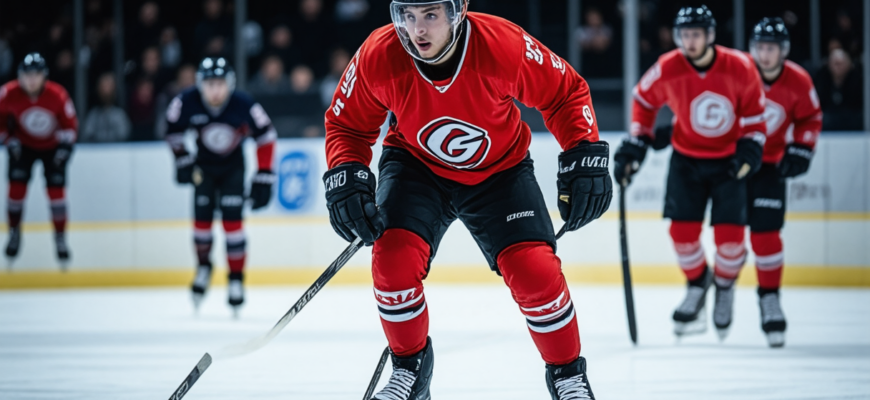
Hockey is an exciting and dynamic sport that combines speed, agility, and strength. However, its high-intensity nature also makes players susceptible to a variety of injuries. For amateur enthusiasts, understanding how to prevent common hockey injuries is crucial for enjoying the game safely and prolonging a playing career. This comprehensive guide outlines proven strategies, preventive measures, and practical advice to keep amateur hockey players healthy and injury-free.
- Understanding Common Hockey Injuries
- Major Types of Hockey Injuries
- Fundamental Prevention Strategies for Amateur Hockey Players
- 1. Proper Equipment Usage and Maintenance
- Key Protective Gear
- Maintenance Tips
- 2. Proper Conditioning and Physical Training
- Recommended Exercise Types
- Sample Weekly Workout Plan
- 3. Technique and Skill Development
- Key Skills to Focus On
- 4. Adherence to the Rules and Safe Play Practices
- Important Rules for Amateur Play
- Specific Preventive Measures for Different Injury Types
- Preventing Concussions and Head Injuries
- Preventing Hamstring, Groin, and Leg Strains
- Warm-up Routine
- Preventing Wrist and Hand Injuries
- Preventing Knee and Ankle Injuries
- Practical Tips for Maintaining Longevity and Safety in Hockey
- 1. Listening to Your Body
- 2. Regular Rest and Recovery
- 3. Follow Medical Advice and Get Regular Check-Ups
- 4. Stay Hydrated and Maintain Proper Nutrition
- Summary Table: Key Preventive Measures
- Final Thoughts
Understanding Common Hockey Injuries
Before exploring the preventive tips, it’s essential to recognize the most prevalent injuries associated with hockey. This awareness helps in implementing targeted measures to reduce risk.
Major Types of Hockey Injuries
- Concussions: Brain injuries resulting from blows to the head or sudden jolts.
- Sprains and Strains: Ligament or muscle injuries typically caused by twisting, overextension, or sudden impacts.
- Fractures and Broken Bones: Usually occur due to collisions or falls.
- Dislocated Joints: Displacement of joints, often the fingers, shoulders, or knees, due to falls or tackles.
- Soft Tissue Injuries: Cuts, bruises, and contusions caused by pucks, sticks, or collisions.
- Dental Injuries: Teeth fractures or loss from puck impacts or falls.
Fundamental Prevention Strategies for Amateur Hockey Players
Preventive steps can significantly reduce the risk of injuries. The following strategies encompass physical preparation, proper equipment, and behavioral practices.
1. Proper Equipment Usage and Maintenance
Equipping oneself with the right gear is the first line of defense against injuries. It’s essential to select equipment that fits properly and is maintained regularly.
Key Protective Gear
| Gear | Purpose | Recommendations |
|---|---|---|
| Helmet | Protects the head and reduces concussion risk | Must fit snugly, with full face shield or cage, and should meet safety standards (e.g., HECC, CSA) |
| Neck Guard | Protects from pucks and sticks hitting the neck | Adjusts comfortably without restricting movement |
| Shoulder Pads | Absorbs impacts to upper body | Fit snugly but allow full arm movement |
| Elbow Pads | Prevent elbow injuries | Cover from forearm to above the elbow joint |
| Gloves | Protect hands and wrists | Ensure good grip and adequate padding |
| Pants and Shin Guards | Shield thighs, hips, knees, and shins | Properly fitted for mobility and protection |
| Skates | Support mobility and stability | Sharp blades should be maintained, and fit should be precise |
| Mouthguard | Protects teeth and reduces concussion risk | Custom-fitted or boil-and-bite varieties |
Maintenance Tips
- Regularly inspect gear for damages or wear and tear
- Replace any damaged or expired protective equipment
- Keep gear clean and dry to prevent bacteria buildup
2. Proper Conditioning and Physical Training
Physical fitness plays a vital role in injury prevention. Well-conditioned muscles provide stability to joints and absorb shocks more effectively.
Recommended Exercise Types
- Strength Training: Focus on core, leg, and upper body muscles to withstand impacts and maintain balance.
- Flexibility Exercises: Stretch regularly to increase the range of motion and reduce strains.
- Cardiovascular Fitness: Improves endurance and reduces fatigue, lowering injury risk during play.
Sample Weekly Workout Plan
| Day | Activities |
|---|---|
| Monday | Strength training + flexibility exercises |
| Wednesday | Cardio plus core stability exercises |
| Friday | Balance drills + muscle endurance |
| Sunday | Active recovery and stretching |
3. Technique and Skill Development
Proper skating, stickhandling, and hitting techniques help minimize accidental injuries. Regular coaching or training sessions can refine skills, allowing players to avoid risky positions.
Key Skills to Focus On
- Balance and posture
- Controlled puck handling
- Accurate passing and shooting to prevent overexertion
- Body positioning during contact to avoid unnecessary collisions
4. Adherence to the Rules and Safe Play Practices
Respect for the game’s rules reduces dangerous situations. Playing within safe boundaries discourages reckless behavior.
Important Rules for Amateur Play
- Avoid illegal checks or aggressive behaviors
- Maintain a safe distance during puck battles
- Use protective equipment at all times
- Report any unsafe conditions to referees or organizers
Specific Preventive Measures for Different Injury Types
Preventing Concussions and Head Injuries
Head injuries are among the most concerning in hockey. To minimize risks:
- Always wear a certified helmet fitted correctly.
- Consider using additional protective headgear if recommended.
- Avoid dangerous plays, such as hits to the head or head-first falls.
- Stay alert on the ice and avoid reckless collisions.
Preventing Hamstring, Groin, and Leg Strains
Warm-up routines play a vital role here. A proper warm-up reduces muscle stiffness and prepares the body for intense activity.
Warm-up Routine
- Jogging or skating lightly for 5–10 minutes
- Dynamic stretches: leg swings, lunges, high knees
- Practice skating drills to activate stabilizing muscles
Preventing Wrist and Hand Injuries
Wrist guards and gloves help protect the delicate bones and ligaments in the hands.
- Ensure gloves fit snugly but do not restrict movement
- Avoid aggressive handling of pucks and sticks
- Practice proper stick handling techniques
Preventing Knee and Ankle Injuries
Stable skate fit and strength training help in this regard.
- Use properly fitted skates with adequate ankle support
- Regularly strengthen and stretch the leg muscles
- Practice safe falling techniques to minimize injury during falls
Practical Tips for Maintaining Longevity and Safety in Hockey
1. Listening to Your Body
Pay attention to signs of fatigue, pain, or discomfort. Ignoring minor symptoms can lead to more severe injuries.
2. Regular Rest and Recovery
Allow sufficient rest between sessions to facilitate muscle recovery and reduce overuse injuries.
3. Follow Medical Advice and Get Regular Check-Ups
Seeking professional medical advice after injuries and conducting periodic health assessments can preempt potential problems.
4. Stay Hydrated and Maintain Proper Nutrition
Proper nutrition and hydration support muscle function and overall health.
Summary Table: Key Preventive Measures
| Aspect | Action |
|---|---|
| Equipment | Wear and maintain proper protective gear |
| Physical Fitness | Engage in strength, flexibility, and endurance training |
| Skill Development | Practice proper techniques and play within rules |
| Warm-up and Cool-down | Always perform these routines before and after playing |
| Behavior | Play responsibly, avoid reckless actions, and respect opponents |
| Health Monitoring | Report injuries promptly and get regular health check-ups |
Final Thoughts
Hockey is an exhilarating sport that can be enjoyed safely with proper preparation, equipment, and awareness. Amateur players should prioritize injury prevention to ensure long-term participation and maximum enjoyment of the game. Implementing comprehensive protective measures, maintaining good physical condition, and respecting the rules of the game form the foundation of a safe hockey experience. By adopting these strategies, players not only safeguard their health but also enhance their skills and overall enjoyment on the ice.
Remember, safety in hockey is a shared responsibility. Coaches, organizers, and players must collaborate to foster a culture of respect and prevention, making the sport accessible and safe for everyone.
Похожие записи:
 Effective Warm-up and Cool-down Routines for Amateur Hockey Players: Maximize Performance and Minimize Injuries
  How to Avoid Common Hockey Penalties: Expert Tips for Amateur Players
  Mastering Proper Hockey Stick Use: Tips to Enhance Performance and Prevent Injuries
  How to Avoid Common Equipment Fit Mistakes in Amateur Hockey: A Complete Guide
  Essential Helmet Safety Tips for Amateur Hockey Players: Protect Yourself on the Ice
  Ultimate Guide: Tips for Upgrading Amateur Hockey Equipment Safely
  Essential Safety Tips for Novice Players: Ensuring Safe and Enjoyable Hockey for Amateurs
  Simple and Effective Ways to Improve Your Balance on Skates for Amateur Hockey Players
  Mastering the Art of Effective Ice Stops: Essential Techniques for Amateur Hockey Players
  Understanding the Different Types of Hockey Helmets: A Comprehensive Guide for Amateur Players
  How to Wear Your Helmet and Pads Safely: A Complete Guide for Amateur Hockey Players
  Mastering On-Ice Communication: Essential Tips for Effective Player Interaction in Amateur Hockey
  Mastering Team Chemistry: Essential Tips for Effective Collaboration in Amateur Hockey
  Mastering Body Checks and Staying Safe on the Ice: An Essential Guide for Amateur Hockey Enthusiasts
  Ultimate Guide to Essential Protective Equipment for Female Amateur Hockey Players
  Mastering the Art of Dodging and Avoiding Opponents in Hockey: Tips for Amateur Players