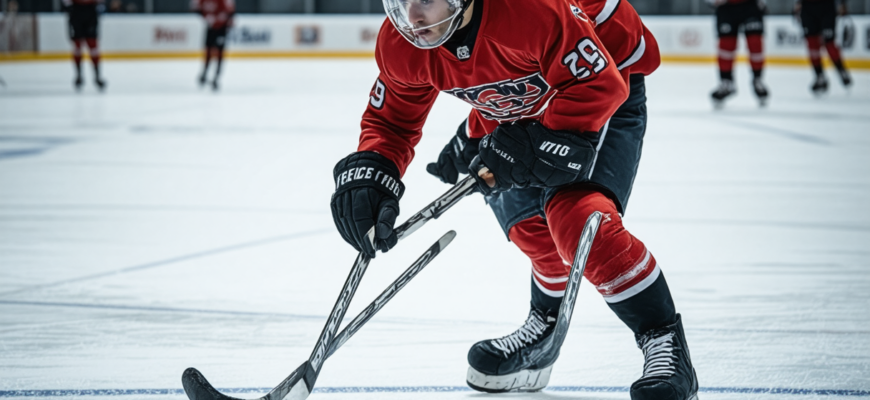
Hockey is one of the most dynamic and physically demanding sports, requiring not only skill and agility but also proper equipment handling to ensure safety and effective gameplay. Among the various pieces of equipment, the hockey stick plays a central role, influencing how a player controls the puck, executes shots, and maintains safety during the game. Improper use or poor technique when handling a hockey stick can lead to decreased performance and increased risk of injury. This comprehensive guide aims to educate amateur players on how to properly use a hockey stick, maximize their skills, and reduce the chances of injuries both during practices and matches.
- Understanding the Hockey Stick: Types and Components
- Types of Hockey Sticks
- Components of a Hockey Stick
- Choosing the Right Hockey Stick: Size, Flex, and Curve
- Proper Stick Length
- Flex Rating and Its Impact
- Choosing the Right Curve
- Proper Grip Technique for Effectiveness and Safety
- Hand Placement
- Grip Pressure
- Correct Body Positioning and Movement for Optimal Stick Handling
- Stance and Posture
- Hand and Body Synchronization
- Mastering Basic Stickhandling Techniques
- Dribbling and Puck Control
- Passing and Shooting
- Safety Tips for Using a Hockey Stick to Prevent Injuries
- Protective Equipment Matters
- Proper Technique to Minimize Injury Risks
- Warm-up and Cool-down
- Common Mistakes and How to Correct Them
- Holding the Stick Too Tightly
- Incorrect Stick Length
- Poor Posture and Balance
- Additional Exercises to Improve Stick Handling and Overall Safety
- Strengthening Exercises
- Flexibility and Mobility
- Practice and Awareness for Safe and Effective Hockey Play
Understanding the Hockey Stick: Types and Components
Types of Hockey Sticks
- Wooden Sticks: Traditional sticks made from hardwoods like ash or birch. They are usually more affordable but heavier and less durable than modern materials.
- Composite Sticks: Modern sticks made from fiberglass, carbon fiber, and other advanced materials. They are lightweight, durable, and offer better performance.
- Hybrid Sticks: Combine wooden or composite shafts with different blade materials to optimize weight, durability, and flexibility.
Components of a Hockey Stick
| Component | Description |
|---|---|
| Blade | The flat part used for controlling, passing, and shooting the puck. The curvature influences stick handling and shot technique. |
| Shaft | The long, straight part of the stick, held by the player. It varies in length, curve, and stiffness. |
| Heel | The part of the blade closest to the shaft, affecting puck control. |
| Toe | The tip of the blade used for flicking, shooting, and flicking puck. |
| Grip | The textured or taped area at the top of the shaft to facilitate hold and control. |
Choosing the Right Hockey Stick: Size, Flex, and Curve
Proper Stick Length
Choosing the correct stick length is essential for effective stick handling and preventing strain. A simple method to determine the right length:
- Stand upright in skates holding the stick vertically.
- The stick tip should reach somewhere between your chin and nose.
Using a stick that is too long or too short can compromise control and technique, increasing the risk of injuries like muscle strains or joint issues.
Flex Rating and Its Impact
The flex of a hockey stick reflects how much bend it has in response to pressure. It is usually indicated by a number (e.g., 85, 100, 75). The appropriate flex depends on the player’s strength and style:
- Lower flex (e.g., 75-85): Better for players with less strength, provides more power and easier flexing.
- Higher flex (e.g., 100+): Suitable for stronger players, offers more accuracy in shooting.
Choosing the Right Curve
The curve of the blade affects puck handling and shooting style.
- Closed Curve: Better for powerful shots and quick releases.
- Open Curve: Facilitates better puck control and is ideal for skilled puck handling.
Understanding personal playing style and comfort is key when selecting the blade curve.
Proper Grip Technique for Effectiveness and Safety
Hand Placement
To maximize control and safety, the grip on the hockey stick should be correct:
- Top Hand: Grasp the top of the shaft, with the palm facing downward, ensuring a firm but not overly tight grip.
- Bottom Hand: Placed approximately at the middle of the shaft, with the palm facing inward for control.
Grip Pressure
Maintaining a balanced grip is vital: too tight can cause fatigue and reduce flexibility, while too loose can lead to loss of control. The ideal grip resembles holding a delicate object—firm enough to control the puck but relaxed enough to allow fluid motion.
Correct Body Positioning and Movement for Optimal Stick Handling
Stance and Posture
Proper stance forms the foundation for effective stick use and injury prevention:
- Feet shoulder-width apart for balance.
- Knees slightly bent to maintain low center of gravity.
- Back straight, shoulders relaxed, and head up to scan the play.
Hand and Body Synchronization
Effective stick handling requires coordinated movement:
- Use the hands to control puck movement, with the top hand guiding and the bottom hand providing power.
- Engage the core muscles to support rapid wrist movements and quick direction changes.
Mastering Basic Stickhandling Techniques
Dribbling and Puck Control
Excelling in puck control starts with simple drills:
- Stick the puck lightly on the blade and tilt the stick back and forth to feel its movement.
- Practice moving the puck side to side along the blade while maintaining control.
- Use small, quick movements to mimic game situations.
Passing and Shooting
- Passing: Push the puck gently in the desired direction, maintaining control and accuracy.
- Shooting: Use proper wrist shots, snap shots, and slap shots, ensuring the wrist or entire body generates power.
Safety Tips for Using a Hockey Stick to Prevent Injuries
Protective Equipment Matters
Even with proper stick handling, injuries can occur if protective gear is inadequate. Always wear:
- Helmet with face shield or cage
- Gloves to protect hands and wrists
- Elbow pads
- Shin guards
- Padded pants and chest protector
Proper Technique to Minimize Injury Risks
- Avoid aggressive swinging: Always control your stick movements to prevent accidental hits to others or yourself.
- Awareness of surroundings: Stay alert to prevent accidental contact with opponents or teammates.
- Stick positioning: Keep the stick below shoulder level during play to avoid accidental strikes, especially during falls or collisions.
Warm-up and Cool-down
Pre-game warm-up and stretching routines help prepare muscles and reduce strains. Focus on wrist, shoulder, and core muscles.
Common Mistakes and How to Correct Them
Holding the Stick Too Tightly
Leads to fatigue and decreased flexibility. Correct by relaxing the grip and practicing control drills.
Incorrect Stick Length
Results in poor control and increased injury risk. Regularly measure and adjust stick size as needed.
Poor Posture and Balance
Can cause muscle strain and injuries. Maintain proper stance and strengthen core muscles through training.
Additional Exercises to Improve Stick Handling and Overall Safety
Strengthening Exercises
- Wrist curls and extensions
- Core stability exercises (planks, sit-ups)
- Shoulder mobility drills
Flexibility and Mobility
Regular stretching of hamstrings, groin, shoulders, and wrists promote better movement and reduce injury risks.
Practice and Awareness for Safe and Effective Hockey Play
Proper use of a hockey stick goes beyond just gripping and swinging—it’s about understanding your equipment, employing correct techniques, and maintaining awareness of safety practices. By paying attention to fit, grip, posture, and technique, amateur players can significantly improve their performance and decrease the likelihood of injuries. Regular practice, drills, and adherence to safety recommendations are key to enjoying hockey for years to come while staying healthy and injury-free. Remember, the foundation of good hockey is disciplined technique coupled with protective vigilance.
Похожие записи:
 Mastering Hockey Stick Handling: Essential Techniques for Beginners
  Choosing the Right Hockey Stick for Beginners: A Complete Guide for Amateur Players
  Mastering the Art of Shooting with a Stick in Hockey: The Ultimate Guide for Beginners
  Mastering the Fit: How to Properly Fit and Adjust Hockey Gloves for Optimal Performance
  Mastering the Basics of Hockey: Essential Rules and Safety Tips for Beginners
  The Importance of Proper Neck Guard Usage in Amateur Hockey
  Incorporating Fun Drills to Enhance Hockey Skills: A Guide for Amateur Players
  Must-Have Gloves for Amateur Hockey Enthusiasts: Essential Protection and Performance
  How to Avoid Common Hockey Penalties: Expert Tips for Amateur Players
  The Ultimate Guide to Maintaining Your Hockey Equipment: Stay Safe and Improve Performance
  Mastering the Basics: Wrist Shot and Slap Shot Techniques in Hockey for Amateurs
  Essential Ice Hockey Equipment Maintenance Tips: Keep Your Gear in Optimal Condition
  Conquer Your First Ice Hockey Fears: Essential Tips for Beginners
  Essential Safety Tips for Novice Players: Ensuring Safe and Enjoyable Hockey for Amateurs
  Mastering Faceoff Techniques: The Key to Gaining Puck Control in Hockey
  Ultimate Guide: Tips for Upgrading Amateur Hockey Equipment Safely