
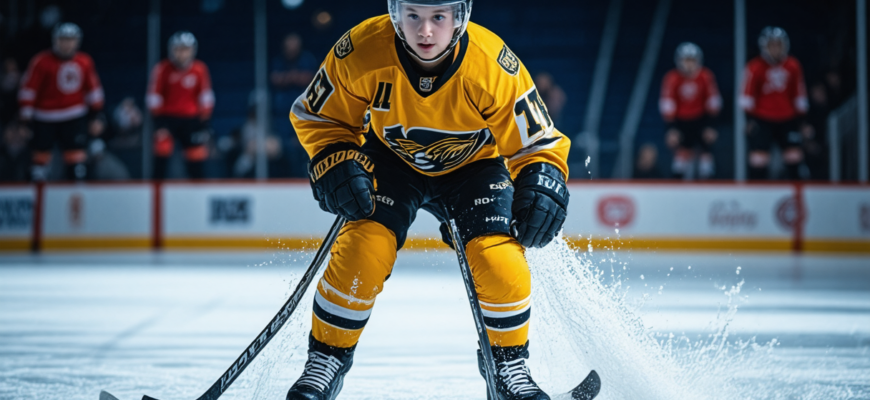
Hockey is a dynamic and fast-paced sport that combines skill, agility, and precision. At the heart of this exhilarating game lies the ability to shoot accurately and powerfully with a stick. Whether you’re an amateur player hoping to improve your game or a beginner eager to learn the correct techniques, understanding the proper way to practice shooting with a stick is crucial. In this comprehensive guide, we will explore the fundamentals of shooting, detailed techniques, practice routines, common mistakes to avoid, and tips to elevate your hockey shot to a new level.
- Understanding the Importance of Proper Shooting Technique in Hockey
- Types of Hockey Shots
- The Essential Equipment for Shooting Practice
- Step-by-Step Guide to Proper Shooting Technique
- H3>1. Correct Stance and Body Positioning
- 2. Grip and Hand Position
- 3. Preparing the Puck
- 4. Backward Preparation
- 5. The Shooting Motion
- 6. The Follow-Through and Recovery
- Basic Shooting Drills for Beginners
- 1. Wrist Shot Accuracy Drill
- 2. Slap Shot Power Drill
- 3. Shooting on the Move
- Common Mistakes in Shooting Practice and How to Correct Them
- Training Tips for Improving Shooting Skills
- Advanced Tips for Enhancing Shooting Power and Accuracy
- Elevating Your Hockey Shooting Skills
- Additional Resources
Understanding the Importance of Proper Shooting Technique in Hockey
Before diving into training methods, it’s essential to appreciate why proper shooting technique matters. A correct approach not only enhances accuracy and power but also minimizes the risk of injury and prolongs your equipment’s lifespan. Moreover, precise shootings can be the deciding factor in a match, turning opportunities into scoring goals.
In hockey, shooting is more than simply swinging your stick at the puck. It involves coordinated movements, body positioning, and mental focus. Developing proper habits early on ensures consistent performance and helps build a solid foundation for advanced skills in the future.
Types of Hockey Shots
Before mastering the proper technique, recognize the different types of shots and their purposes:
- Wrist Shot: Quick, accurate, and versatile, often used for close-range shots.
- Snap Shot: Combines elements of wrist and slap shots, offering faster execution with decent power.
- Slap Shot: Powerful shot executed with a full swing, ideal for long-range and power plays.
- Backhand Shot: Used when approaching the net from behind, often catching opponents off guard.
The Essential Equipment for Shooting Practice
Proper equipment not only ensures safety but also helps in developing correct habits. Here’s what you need for effective practice:
- Hockey stick: Choose a stick suitable for your height and style of play.
- Puck: Use a standard hockey puck for authentic practice.
- Protective Gear: Gloves, helmet, and padded gear for safety during practice sessions.
- Training aids: Cones, targets, or shooting nets to improve accuracy and consistency.
Step-by-Step Guide to Proper Shooting Technique
H3>1. Correct Stance and Body Positioning
Start by placing your feet shoulder-width apart with knees slightly bent, maintaining a balanced stance. Keep your shoulders aligned with the shot direction, and distribute your weight evenly on both legs. This stance provides stability and allows for fluid movement during the shot.
2. Grip and Hand Position
Grip the stick firmly but comfortably. Your top hand (dominant hand) should be placed approximately in the middle of the shaft, while your bottom hand controls the lower part of the stick. Keep your palms facing each other, ensuring flexible grip to facilitate wrist and arm movements.
3. Preparing the Puck
Position the puck close to your front foot, slightly ahead of the body’s center. For wrist and snap shots, the puck should be positioned towards the toes; for slap shots, the puck generally is placed directly under the blade.
4. Backward Preparation
As you prepare for the shot, bring the stick back smoothly, curling your wrists slightly. The movement should be controlled and deliberate, setting up the power transfer during the shot.
5. The Shooting Motion
| Component | Description |
|---|---|
| Weight transfer | Shift your weight from the back foot to the front foot during the shot, generating power and accuracy. |
| Arm movement | Engage the arms and wrists in a fluid motion, accelerating through the puck. |
| Follow-through | After contact, follow through with your stick toward the target, maintaining balance for better accuracy. |
6. The Follow-Through and Recovery
Once the puck is released, continue the motion with your stick moving toward the target, ensuring momentum and precision. Maintain your balance and prepare for a quick recovery or subsequent shot.
Basic Shooting Drills for Beginners
Consistent practice is key to mastering shooting techniques. Here are some drills designed to build strength, accuracy, and confidence:
1. Wrist Shot Accuracy Drill
- Set up targets or cones in the net or on a wall.
- Focus on hitting the targets with wrist shots from a stationary position.
- Repeat from different angles and distances.
2. Slap Shot Power Drill
- Use a stationary puck or a tee for stability.
- Practice swinging with proper technique, emphasizing quick hips rotation and follow-through.
- Gradually increase the force while maintaining control and accuracy.
3. Shooting on the Move
- Skate forward at a controlled speed toward a designated shooting area.
- Take shots while moving, simulating game situations.
- Work on timing, body positioning, and shot execution.
Common Mistakes in Shooting Practice and How to Correct Them
Even experienced players can develop bad habits. Recognizing and correcting these mistakes is vital for improvement:
- Overextending the arms: Leads to loss of control. Fix by maintaining a relaxed grip and proper stance.
- Incorrect puck position: Puck too far back or too far forward affects shot accuracy. Adjust puck placement per shot type.
- Poor follow-through: Stops after contact, reducing accuracy. Practice fluid follow-through to improve precision.
- Failure to shift weight properly: Limits power. Focus on transferring weight dynamically during the shot.
Training Tips for Improving Shooting Skills
- Consistency is key: Dedicate regular time to practice, focusing on technique and repetition.
- Use targets and aids: They help develop precision and timing.
- Analyze your shots: Review video recordings to identify technical flaws.
- Strength and flexibility training: Improve overall physical condition to generate more power and prevent injuries.
- Simulate game pressure: Practice under competitive conditions to enhance mental focus and adaptability.
Advanced Tips for Enhancing Shooting Power and Accuracy
- Optimize your equipment: Choose sticks with appropriate flex and blade curves for your style.
- Develop core strength: A strong core improves stability for more forceful and controlled shots.
- Incorporate visualization: Mentally rehearse successful shots to boost confidence and focus.
- Adjust your stance: Slight modifications can significantly impact shot power and aim.
Elevating Your Hockey Shooting Skills
Mastering the proper technique for shooting with a stick is a vital step for anyone aspiring to improve in hockey. By understanding the fundamental mechanics, practicing systematically, and avoiding common pitfalls, players can significantly enhance their shooting effectiveness. Remember that progress takes time and consistent effort, but the results—more precise shots, increased power, and greater confidence—are well worth the dedication. Incorporating these insights into practice routines will surely bring players closer to achieving their hockey goals and enjoying the game at a higher level.
Additional Resources
- Videos demonstrating different shot techniques
- Training drills for power and accuracy
- Equipment guides for selecting the right hockey stick
With patience and perseverance, every amateur can develop a powerful and accurate shot, making hockey even more enjoyable and rewarding. Practice diligently, stay focused, and keep pushing your limits!
Похожие записи:
 Mastering Hockey Shooting Techniques from Different Angles: A Guide for Amateurs
  Mastering Hockey Stick Handling: Essential Techniques for Beginners
  Choosing the Right Hockey Stick for Beginners: A Complete Guide for Amateur Players
  Mastering the Basics: Wrist Shot and Slap Shot Techniques in Hockey for Amateurs
  Mastering Basic Body Positioning and Stance in Hockey: A Guide for Beginners
  Ultimate Guide: How to Properly Fit and Adjust Your Shoulder Pads for Hockey Beginners
  Mastering the Ice: A Comprehensive Guide to the Basic Rules of Ice Hockey for Beginners
  Mastering Speed and Control in Skating: The Ultimate Guide for Amateur Hockey Players
  Mastering Precision: Essential Drills to Improve Passing Accuracy in Hockey
  Ultimate Guide to Selecting the Right Hockey Pants for Beginners
  Ultimate Buying Guide for Beginners: How to Choose the Right Hockey Shoulder Pads
  Ultimate Guide to Drills that Boost Eye and Hand Coordination for Amateur Hockey Enthusiasts
  Mastering Fast Reflexes: Unlock Your Potential as a Hockey Goaltender
  Mastering Faceoff Techniques: A Comprehensive Guide for Amateur Hockey Enthusiasts
  Mastering the Ice: Essential Defensive Positioning Strategies in Hockey for Amateurs
  Mastering Puck Possession: Essential Techniques for Amateur Hockey Players