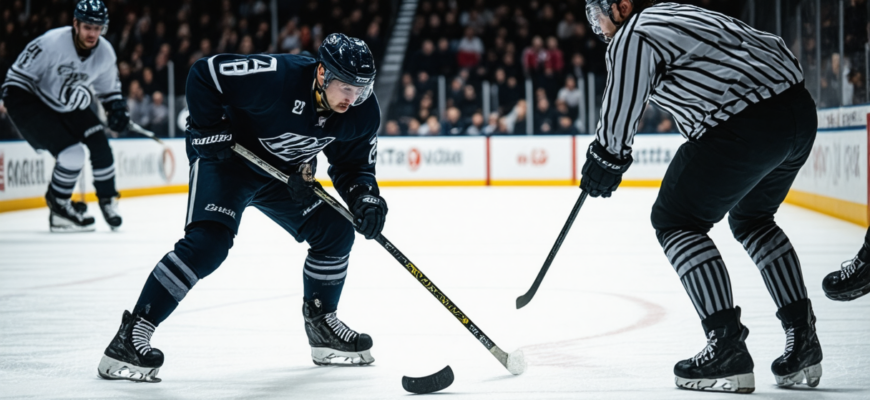
In the fast-paced world of ice hockey, possessing the puck is often synonymous with having control over the game. One of the most critical, yet often overlooked skills for both amateur and professional players, is the faceoff. Proper execution of faceoff techniques can determine possession, momentum, and ultimately, the outcome of the game. This comprehensive guide explores various faceoff strategies, techniques, and tips to help hockey enthusiasts enhance their control over the puck during faceoffs.
- Understanding the Importance of Faceoffs in Hockey
- The Role of Faceoffs in Game Strategy
- Types of Faceoffs and When to Use Them
- Standard Faceoff
- Strategic Faceoff
- Quick Faceoff
- Essential Faceoff Techniques for Amateurs
- 1. The Basic Stance
- Proper Body Positioning
- Hand Placement
- 2. The Drop and Retrieve Technique
- 3. The Forehand and Backhand Approaches
- Forehand Faceoff
- Backhand Faceoff
- 4. The Win-the-Puck Strategies
- Advanced Tips to Improve Faceoff Success
- Practice Specific Drills
- Focus on Body and Hand Movement
- Understanding Opponent Patterns
- Strategies for Different Zones
- Center Ice Faceoffs
- Faceoffs in Offensive Zone
- Defensive Zone Faceoffs
- Common Mistakes and How to Avoid Them
- Formulas and Metrics to Measure Progress
- Success Rate Calculation
- Reaction Time Improvement
- Incorporating Faceoff Techniques into Overall Gameplay
- Synchronization with Team Strategy
- Video Analysis
- Mastering the Faceoff to Dominate the Game
Understanding the Importance of Faceoffs in Hockey
Before diving into specific techniques, it’s essential to comprehend why faceoffs are vital in hockey. They occur at the beginning of each period, after stoppages, and can be instrumental in regaining possession after a whistle. Winning faceoffs provides teams with opportunities to execute offensive plays, set up defense, or gain that crucial advantage to switch the pace of the game.
The Role of Faceoffs in Game Strategy
- Starting Play: Initiates offensive or defensive sequences.
- Control of Puck: Allows a team to dictate the flow of the game.
- Setting Up Plays: Provides the first chance to create scoring opportunities.
- Defense and Zone Clearing: Essential for regaining control after turnovers.
Types of Faceoffs and When to Use Them
Standard Faceoff
This is the most common faceoff used at the center ice or at the faceoff dots within zones. It involves a neutral stance with the puck dropped between the two opponents.
Strategic Faceoff
Executed with specific tactics to either win possession immediately or to set up for a draw in a favorable zone. It might involve deception or specific positioning to throw off the opponent.
Quick Faceoff
A faster approach, often used to catch opponents off-guard, typically when the puck has just been dropped or in rapid succession during offensive rushes.
Essential Faceoff Techniques for Amateurs
1. The Basic Stance
Proper Body Positioning
The foundational element of any faceoff is balance. Stand with your knees slightly bent, feet shoulder-width apart, and weight distributed evenly. Keep your back straight and eyes focused on the puck.
Hand Placement
- Dominant hand on the stick, close to the blade.
- Non-dominant hand gripping the shaft near the top for leverage and control.
2. The Drop and Retrieve Technique
This technique involves precise timing of puck drop and swift movement to gain possession. The key is to anticipate the referee’s drop and react quickly to the opponent’s move.
3. The Forehand and Backhand Approaches
Forehand Faceoff
Drop the puck and attempt to sweep it back with the blade from the front. Useful for generating immediate offensive pressure.
Backhand Faceoff
Drop the puck and aim to pull it backwards or to sides for strategic advantage, especially useful when the opponent’s positioning favors a backhand move.
4. The Win-the-Puck Strategies
- Push Forward: Apply force on the puck to immediately drive it towards your teammates.
- Pull Back: Use wrist strength to pull the puck back, giving yourself more control or setting up for a faceoff tie-up.
Advanced Tips to Improve Faceoff Success
Practice Specific Drills
Repetition enhances muscle memory. Regularly practicing faceoff simulations can dramatically improve reaction time and success rate. Some drills include:
- Timed Faceoff Combos: Practice winning faceoffs within a set time.
- Faceoff Tournament: Compete with teammates to win as many faceoffs as possible within a session.
- Reaction Drills: Use visual cues to improve reaction speed when the puck is dropped.
Focus on Body and Hand Movement
Efficient use of hand strength and body positioning can make the difference. Keep your hands quick and close to your body for maximum control. Maintain low stance for leverage and stability.
Understanding Opponent Patterns
By observing your opponent’s tendencies — whether they favor forehand or backhand moves, or specific hand positioning — you can anticipate and react more effectively during faceoffs.
Strategies for Different Zones
Center Ice Faceoffs
Typically involve the most balance and standardized techniques. Focus on quick reaction and clean drops to set up offensive plays.
Faceoffs in Offensive Zone
Here, winning the draw can lead to immediate scoring chances. Often involves deception and quicker, aggressive techniques to beat the opponent.
Defensive Zone Faceoffs
Prioritize securing the puck or clearing it effectively. Use techniques to pull the puck back to your defensemen or sweep it into neutral zone for a clear.
Common Mistakes and How to Avoid Them
| Mistake | Explanation | Solution |
|---|---|---|
| Overextending the stick | Leads to loss of control and poor puck handling. | Keep the stick firm but flexible, adjusting grip as necessary. |
| Being too upright | Reduces power and stability. | Maintain a low, balanced stance with knees bent. |
| Ignoring opponent tendencies | Allows opponents to exploit weaknesses. | Observe and adapt to your opponent’s favorite moves. |
| Rushing the puck drop | Results in mistimed reactions. | Practice timing for a smooth and consistent drop. |
Formulas and Metrics to Measure Progress
Success Rate Calculation
To evaluate improvement, track the percentage of faceoffs won:
Faceoff Success Rate (%) = (Number of Faceoff Wins / Total Faceoffs Taken) × 100
Reaction Time Improvement
Improve reaction time by measuring the interval between the puck drop and puck control. Use stopwatch apps or training tools to monitor progress.
Incorporating Faceoff Techniques into Overall Gameplay
Synchronization with Team Strategy
Effective faceoff techniques should complement your team’s overall play style. Coordinate with teammates for quick puck retrieval and transitions into offensive or defensive plays.
Video Analysis
Record and analyze faceoff sessions to identify strengths and areas for improvement. Video review helps in understanding positioning and reaction patterns.
Mastering the Faceoff to Dominate the Game
Winning faceoffs is a crucial aspect of hockey that can significantly influence the flow and outcome of the game. By mastering fundamental techniques, practicing specific drills, and studying opponents’ tendencies, players at any level can improve their control over puck possession. Incorporating these strategies into regular training routines will equip hockey enthusiasts with the confidence and skill to turn the tide during key moments on the ice.
Remember, consistent practice and keen observation are the keys to success. Whether you play recreational hockey or aspire to elevate your amateur game, honing your faceoff skills can provide a vital competitive edge on the ice.
Похожие записи:
 Mastering Faceoff Techniques: A Comprehensive Guide for Amateur Hockey Enthusiasts
  Mastering Puck Possession: Essential Techniques for Amateur Hockey Players
  Mastering the Art of Puck Recovery: Strategies for Effective Play in Amateur Hockey
  Mastering the Fundamentals of Puck Retrieval and Chase in Hockey: Essential Skills for Amateur Players
  Mastering Passing and Receiving the Puck: Essential Skills for Amateur Hockey Players
  Mastering the Ice: Essential Defensive Positioning Strategies in Hockey for Amateurs
  Mastering Balance and Stability: Essential Techniques for Amateur Hockey Players
  Mastering Recovery and Rebound Control: Essential Skills for Amateur Hockey Players
  Mastering Hockey Stick Handling: Essential Techniques for Beginners
  Mastering Hockey Shooting Techniques from Different Angles: A Guide for Amateurs
  Mastering the Art of Effective Ice Stops: Essential Techniques for Amateur Hockey Players
  Essential Checking Techniques for Ensuring Safety in Amateur Hockey
  Mastering the Ice: Basic Skating Techniques Every New Hockey Player Must Know
  Mastering the Basics: Wrist Shot and Slap Shot Techniques in Hockey for Amateurs
  Mastering the Ice: A Comprehensive Guide to the Basic Rules of Ice Hockey for Beginners
  Mastering the Basics: Introduction to Offsides and Icing Rules in Hockey for Amateurs