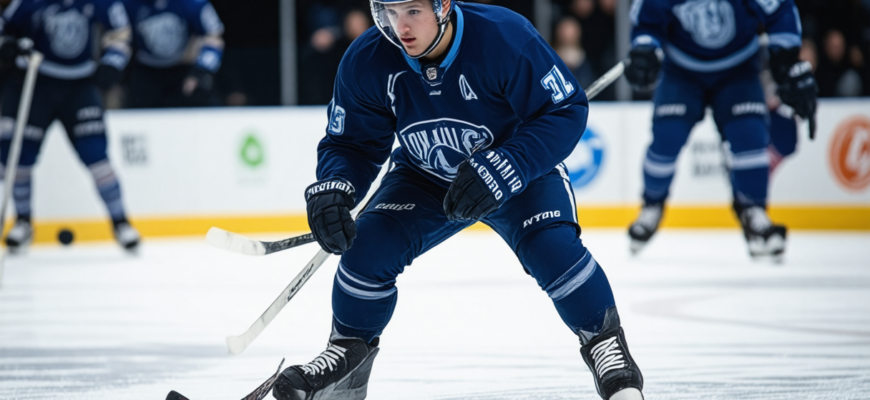
Hockey is a fast-paced, dynamic sport that demands a high level of skill, agility, and strategic thinking. Among the critical skills that can significantly influence the outcome of a game are the abilities to recover quickly from challenging situations and effectively control rebounds. For amateur players looking to elevate their game, refining these skills can make a notable difference on the ice. This comprehensive guide explores the fundamentals, techniques, drills, and strategies to improve your recovery and rebound control, ensuring you stay competitive and confident during gameplay.
- Understanding the Importance of Recovery and Rebound Control in Hockey
- What Is Recovery in Hockey?
- Why Is Rebound Control Critical?
- The Skills and Techniques for Effective Recovery
- Core Components of Recovery
- Fundamental Recovery Techniques
- 1. Forward and Backward Skating
- 2. C-Cuts and T-Stops
- 3. Edge Control and Balance Drills
- Enhancing Rebound Control Skills
- Key Factors to Consider
- Techniques for Effective Rebound Handling
- 1. Puck Positioning and Body Blocking
- 2. Soft Hands and Puck Absorption
- 3. Clear and Reset
- Training Drills to Improve Recovery and Rebound Control
- Drill 1: Cone Recovery Drill
- Drill 2: Shot Rebound Control
- Drill 3: Reaction and Positioning Exercise
- Strategic Tips for Effective Recovery and Rebound Control
- 1. Improve Situational Awareness
- 2. Play Smart Positioning
- 3. Communicate with Teammates
- 4. Maintain Physical Fitness
- Equipment and Maintenance for Optimal Performance
- Skates
- Stick and Puck Handling Gear
- Protective Equipment
- Common Mistakes and How to Avoid Them
- Measuring Progress and Continual Improvement
- Tracking Performance
- Seeking Feedback and Coaching
- Elevating Your Game Through Better Recovery and Rebound Control
Understanding the Importance of Recovery and Rebound Control in Hockey
What Is Recovery in Hockey?
Recovery refers to a player’s capacity to regain control of the puck or position after a disruption, such as losing possession during a skating move, being knocked off balance, or recovering from a shot or pass that didn’t go as planned. Effective recovery allows a player to quickly re-establish control, support teammates, and transition seamlessly between offense and defense.
Why Is Rebound Control Critical?
Rebound control involves managing the puck after a shot or deflection by the opposition. A player with good rebound control can prevent the puck from bouncing into dangerous areas, clear it from the defensive zone, or convert rebounds into scoring opportunities. Poor rebound handling often results in lost scoring chances and increased defensive pressure.
The Skills and Techniques for Effective Recovery
Core Components of Recovery
- Balance: Maintaining a low center of gravity to stay stable
- Speed: Quick maneuvering to reach the puck or position
- Agility: Ability to change direction swiftly
- Situational Awareness: Recognizing where the puck or opponent is at all times
Fundamental Recovery Techniques
1. Forward and Backward Skating
Mastering smooth and efficient forward and backward skating forms the backbone of recovery. Practice gliding with minimal resistance, stopping, and quick transitions between directions. Use C-cuts and T-stops for sharper maneuvers.
2. C-Cuts and T-Stops
C-cuts are essential for rapid stops and quick direction changes, facilitating effective recovery. T-stops help in controlled halts, especially in tight spaces, allowing a player to regain composure and assess the next move.
3. Edge Control and Balance Drills
Understanding how to utilize inside and outside edges enhances balance and stability. Regularly practicing edge drills can improve nerve endings and muscle memory necessary for quick recovery actions.
Enhancing Rebound Control Skills
Key Factors to Consider
- Positioning: Being in the right place at the right time
- Hand-Eye Coordination: For controlling and directing the puck
- Reaction Time: Rapid response to shots and deflections
- Use of Body and Stick: Shielding the puck and controlling rebounds effectively
Techniques for Effective Rebound Handling
1. Puck Positioning and Body Blocking
Anticipate the shot trajectory by reading the opponent’s body language and stick positioning. Use your body to block shooting angles, helping to control rebounds and direct the puck away from dangerous areas.
2. Soft Hands and Puck Absorption
Developing a gentle touch with the stick reduces uncontrolled rebounds. Practice soft-handed puck catches and redirects to keep possession and set up plays.
3. Clear and Reset
When in trouble, learn to quickly clear the puck from the zone or reset the play by passing accurately to teammates. Effective clearing prevents second rebound shots and relieves pressure.
Training Drills to Improve Recovery and Rebound Control
Drill 1: Cone Recovery Drill
- Set up cones in a zigzag pattern across the ice.
- Skate forward, weaving through the cones using sharp edge control.
- At each cone, perform a quick stop and reverse to start the next segment.
- Focus on maintaining balance and speed.
Drill 2: Shot Rebound Control
- Partner or coach takes shots at the goal from various angles.
- Player in net works on controlling rebounds with a soft touch.
- After each shot, immediately move to intercept and clear the puck or pass it back to the shooter for another attempt.
Drill 3: Reaction and Positioning Exercise
- Use a reaction ball or have a partner randomly pass or shoot the puck.
- The player responds with quick positioning, skating to intercept, block, or control the rebound.
- Repeat from different locations to mimic game situations.
Strategic Tips for Effective Recovery and Rebound Control
1. Improve Situational Awareness
Constantly scan the ice to anticipate puck movements. Recognize patterns and tendencies of opponents to position yourself advantageously.
2. Play Smart Positioning
Stay between the puck and the goal during defensive plays. Positioning yourself correctly reduces the need for difficult recoveries and increases rebound control efficiency.
3. Communicate with Teammates
Effective communication helps in coordinating coverage and rebound control, especially in crowded zones. Use verbal cues and eye contact to maintain team cohesion.
4. Maintain Physical Fitness
Strength, agility, and endurance directly impact your ability to recover quickly and control rebounds. Incorporate off-ice conditioning routines focusing on core, leg strength, and cardio.
Equipment and Maintenance for Optimal Performance
Skates
Sharp, well-fitted skates improve edge control, making recovery movements more precise. Regularly sharpen blades and check for wear.
Stick and Puck Handling Gear
Choose a stick that suits your playing style and practice with different puck types to simulate real-game conditions. Proper grip and stick handling reduce mishandling during rebounds.
Protective Equipment
Comfortable, appropriate padding ensures maximum mobility, allowing for quick recovery movements without discomfort or restriction.
Common Mistakes and How to Avoid Them
- Overcommitting: Trying to intercept every puck can leave gaps. Focus on smart positioning.
- Poor Balance: Weak balance hampers recovery. Incorporate balance exercises into training.
- Ignoring Situational Cues: Not reading the play leads to late reactions. Develop awareness through video analysis and coaching.
- Lack of Practice: Consistent drills and game simulations are key to change habits.
Measuring Progress and Continual Improvement
Tracking Performance
Record drills and game situations to monitor progress. Use video feedback and stats such as recovery time, rebound success rate, and positioning accuracy to identify areas for improvement.
Seeking Feedback and Coaching
Regular coaching reviews and peer feedback accelerate skill development. Focus on correction points and reinforce good habits through targeted practice.
Elevating Your Game Through Better Recovery and Rebound Control
Improving recovery and rebound control skills is essential for amateur hockey players aiming to enhance their overall performance. By understanding the fundamental techniques, practicing specialized drills, adopting strategic approaches, and maintaining physical fitness, players can significantly reduce weaknesses and capitalize on opportunities during a game. Consistent effort, awareness, and a commitment to refining these skills will translate into better defensive stability, more scoring chances, and increased confidence on the ice. Embrace the journey of continuous improvement, and watch your hockey game reach new heights.
Похожие записи:
 Mastering the Fundamentals of Puck Retrieval and Chase in Hockey: Essential Skills for Amateur Players
  Mastering the Art of Puck Recovery: Strategies for Effective Play in Amateur Hockey
  Mastering Passing and Receiving the Puck: Essential Skills for Amateur Hockey Players
  Essential Hockey Drills to Elevate Your Skills at Home or During Practice
  Essential Stickhandling Drills for New Hockey Players: Improve Your Skills on Ice
  Introductory Power Skating Exercises: Essential Skills for Aspiring Hockey Players
  Mastering Puck Possession: Essential Techniques for Amateur Hockey Players
  Building Confidence in Your Skating and Puck Skills: A Complete Guide for Amateur Hockey Players
  Mastering Balance and Stability: Essential Techniques for Amateur Hockey Players
  Incorporating Fun Drills to Enhance Hockey Skills: A Guide for Amateur Players
  Mastering Body Checks and Staying Safe on the Ice: An Essential Guide for Amateur Hockey Enthusiasts
  Essential Offensive Strategies in Hockey for Amateur Players
  Mastering the Art of Effective Ice Stops: Essential Techniques for Amateur Hockey Players
  Mastering the Art of Following a Hockey Game’s Flow: Essential Tips for Amateur Players to Improve Awareness
  Mastering Power Plays and Penalty Kill Tactics for Amateur Hockey Teams
  Mastering Power Play: Essential Strategies for Effective Hockey Performance