
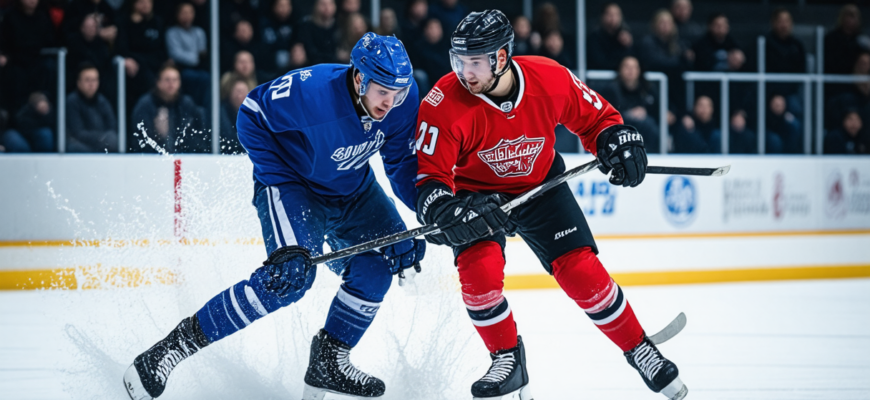
Hockey is a fast-paced, physically demanding sport that combines agility, skill, and toughness. For amateur players venturing onto the ice, understanding how to execute and receive body checks safely is crucial to enjoy the game while minimizing the risk of injury. Proper technique, awareness, and protective measures can greatly enhance your safety and performance. This comprehensive guide aims to provide aspiring hockey players with detailed insights into effective body checking, injury prevention, and strategies to protect yourself on the ice.
- Understanding Body Checks in Hockey
- What Is a Body Check?
- The Role of Body Checks in Gameplay
- Legal vs. Illegal Checks
- Fundamentals of Safe and Effective Body Checking
- Proper Technique for Body Checks
- Positioning and Timing
- Physical and Mental Preparedness
- Protective Equipment and Safety Measures
- Essential Protective Gear
- Choosing the Right Equipment
- Additional Safety Tips
- Training Drills to Improve Body Checking Skills
- Drill 1: Angle and Engagement Practice
- Drill 2: Shadow Hit Simulation
- Drill 3: Balance and Strength Training
- Understanding the Rules and Regulations
- League-Specific Rules on Body Checks
- Penalties for Illegal Checks
- Tips for Protecting Yourself Against Injuries
- Stay Alert and Aware
- Play within Your Limits
- Practice Good Body Language
- Rest and Recovery
- Summary: Combining Technique, Equipment, and Awareness for Safety
Understanding Body Checks in Hockey
What Is a Body Check?
A body check is a legal maneuver in hockey where a player uses their body to disrupt an opponent’s control of the puck or to impede their movement. Properly executed, it’s a skill that can change the course of a game, but if performed incorrectly or recklessly, it can lead to serious injuries for both parties involved.
The Role of Body Checks in Gameplay
- Gaining positional advantage
- Disrupting the opponent’s offensive flow
- Reclaiming puck control
- Physically intimidating opponents
Legal vs. Illegal Checks
In amateur hockey, rules often restrict certain types of checks to prevent injuries, especially in youth or recreational leagues. Understanding these distinctions is vital:
| Legal Checks | Illegal Checks | ||||
|---|---|---|---|---|---|
| Body checks delivered shoulder-to-shoulder | Checks from behind | Hip checks within regulation zones | Checking a player who does not have control of the puck | Legal impact that is controlled and within the rules | High hits, elbows, or checks to the head and neck |
Fundamentals of Safe and Effective Body Checking
Proper Technique for Body Checks
Executing a body check correctly involves a combination of positioning, timing, and physical engagement. Here are key steps:
- Maintain proper stance: Bend your knees, keep your back straight, and stay balanced.
- Inspect your target: Ensure the opponent has the puck or is in a position where a check is legal.
- Approach with momentum: Use your speed and body positioning to set up the hit.
- Lead with your shoulder: Initiate contact with your shoulder pad, aiming to make impact at the opponent’s torso or shoulder.
- Follow through: Keep your body aligned, and avoid swinging or striking aggressively.
- Maintain balance: After the check, stay on your skates and ready for the next play.
Positioning and Timing
Timing is crucial—waiting too early or too late can reduce the effectiveness of the check or cause penalties and injuries. Good positioning involves:
- Keeping your body angled to cut off the opponent’s path.
- Anticipating their movement based on their position and flow of play.
- Watching their hips and shoulders for cues on when they’re about to turn or pass.
Physical and Mental Preparedness
Confidence and readiness are key. Always stay alert and look for opportunities to engage safely. Strength training, especially core and leg muscles, enhances stability during checks.
Protective Equipment and Safety Measures
Essential Protective Gear
Proper equipment significantly reduces injury risks during body contact. Essential protective gear includes:
- Helmet with cage or visor: Protects the head and face from impacts.
- Shoulder pads: Absorb hits and prevent injuries to the upper body.
- Elbow pads: Shield elbows from collisions and falls.
- Gloves: Protect hands and wrists.
- Padded shorts and pants: Cushions hips, thighs, and tailbone.
- Knee and shin guards: Protect legs during checks and falls.
- Skates with ankle support: Provide stability during rapid movements and impacts.
Choosing the Right Equipment
Select gear that fits well and meets safety standards. Ill-fitting equipment can be a hazard rather than a safeguard. Regularly inspect and replace worn or damaged gear.
Additional Safety Tips
- Warm up thoroughly before every game or practice.
- Learn to fall correctly to minimize injuries.
- Avoid reckless or blindside hits that can lead to head or neck injuries.
- Communicate clearly with teammates about physical contact zones and intentions.
- Stay within the rules and avoid overly aggressive tactics that could cause penalties or injuries.
Training Drills to Improve Body Checking Skills
Drill 1: Angle and Engagement Practice
Objective: Develop proper positioning and timing for checks.
- Set up cones or markers to simulate opposing players.
- Practice approaching at an angle, maintaining balance and looking for the right moment to engage.
- Focus on leading with the shoulder and making controlled contact.
Drill 2: Shadow Hit Simulation
Objective: Practice checking without actual contact to build muscle memory.
- Pair up with a teammate or coach for this drill.
- Simulate approaching and delivering a check, focusing on technique and timing.
- Rotate roles to understand both executing and avoiding checks.
Drill 3: Balance and Strength Training
- Incorporate squats, lunges, and core exercises to enhance stability.
- Practice quick pivots and side-steps to react swiftly during checks.
Understanding the Rules and Regulations
League-Specific Rules on Body Checks
Different leagues impose varying restrictions on body contact, especially in youth and recreational levels. For example:
- In youth leagues, checks are often limited or prohibited entirely to protect developing players.
- Recreational adult leagues usually permit legal checks with an emphasis on safety.
- Professional leagues have more liberal rules, but safety remains a priority with penalties for dangerous hits.
Penalties for Illegal Checks
Illegal body checks can lead to:
- Minor or major penalties
- Game misconducts
- Suspensions
- In severe cases, disciplinary action or legal consequences
Tips for Protecting Yourself Against Injuries
Stay Alert and Aware
Continuous vigilance on the ice helps anticipate opponents’ moves and avoid dangerous situations.
Play within Your Limits
Know your physical and skill level, and refrain from overly aggressive checks if inappropriate.
Practice Good Body Language
Use confident skating and positioning to deter unnecessary contact.
Rest and Recovery
Allow your body time to recover after games or intense drills, reducing injury risk over time.
Summary: Combining Technique, Equipment, and Awareness for Safety
Mastering body checks in amateur hockey involves more than just brute strength; it requires proper technique, awareness, and protective gear. By understanding the rules, practicing the correct approach, and equipping yourself properly, you can significantly reduce the risk of injuries while maximizing your effectiveness on the ice.
Whether you’re a beginner or an experienced recreational player, prioritizing safety during body checks is essential. Developing solid habits, respecting the rules, and wearing appropriate gear not only protect you but also enhance your confidence and enjoyment in the game. With the right mindset, training, and precautions, you can become a smarter and safer hockey player, contributing to a more enjoyable and injury-free playing experience.
Похожие записи:
 Essential Safety Tips for Novice Players: Ensuring Safe and Enjoyable Hockey for Amateurs
  Mastering Overtime and Shootouts Rules in Hockey: A Guide for Amateur Enthusiasts
  Mastering Basic Body Positioning and Stance in Hockey: A Guide for Beginners
  Essential Checking Techniques for Ensuring Safety in Amateur Hockey
  Mastering the Basics of Hockey: Essential Rules and Safety Tips for Beginners
  Mastering Faceoff Techniques: A Comprehensive Guide for Amateur Hockey Enthusiasts
  Must-Have Gloves for Amateur Hockey Enthusiasts: Essential Protection and Performance
  The Basics of Power, Balance, and Body Movement for Better Hockey Skills
  How to Avoid Common Hockey Penalties: Expert Tips for Amateur Players
  The Ultimate Guide to Maintaining Your Hockey Equipment: Stay Safe and Improve Performance
  Top Features to Look for in Amateur Hockey Masks: A Complete Guide for Enthusiasts
  Understanding Ice Rink Markings and Zones: A Guide for Amateur Hockey Enthusiasts
  Basic Strategies for Beginner Hockey Players: A Complete Guide for Amateur Enthusiasts
  Essential Helmet Safety Tips for Amateur Hockey Players: Protect Yourself on the Ice
  The Ultimate Guide to Disinfecting and Cleaning Hockey Equipment: Protect Your Gear and Stay Safe on the Ice
  Ultimate Guide to Essential Protective Equipment for Female Amateur Hockey Players