
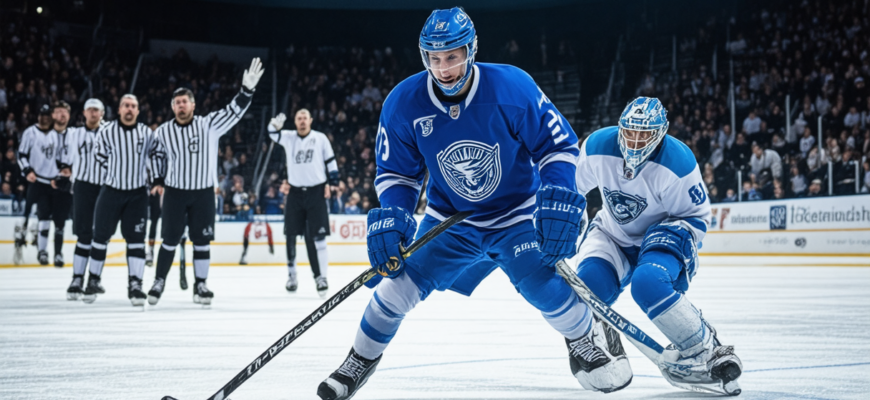
Hockey is a fast-paced, exhilarating sport that captivates millions of fans around the world. While the basic rules of hockey are straightforward, understanding the nuances of overtime and shootout procedures can add a new layer of appreciation for the game. For amateur players and fans eager to enhance their knowledge, this comprehensive guide delves into the rules governing overtime and shootouts in hockey, explaining their purpose, procedures, and strategic considerations.
- Introduction to Overtime and Shootouts in Hockey
- The Purpose of Overtime and Shootouts
- Differences Between Overtime and Shootouts
- Rules of Overtime in Hockey
- Standard Overtime Format
- Extension of Overtime in Playoffs
- Shootouts: The Last Resort
- Introduction to Shootouts
- Rules of Shootouts in Hockey
- Conducting a Shootout
- Strategic Considerations for Overtime and Shootouts
- In Overtime
- In Shootouts
- Common Controversies and Debates Surrounding Overtime and Shootouts
- Statistical Insights and Record Breakers
- Appreciating the Nuances of Hockey’s Tie-Resolution Methods
- Additional Resources
- Final Words
Introduction to Overtime and Shootouts in Hockey
In regular season play, most hockey leagues employ additional methods to determine a winner when teams are tied after the regulation of three periods. These methods include overtime periods and shootouts. Both are designed to maintain the excitement for fans and ensure a decisive result, especially in league standings and playoff qualifications. Understanding how these processes work is essential for players, coaches, and enthusiastic spectators alike.
The Purpose of Overtime and Shootouts
Unlike other sports where draws may be common, hockey strives to produce a decisive victory in every game. This makes the rules governing overtime and shootouts critical tools in achieving this goal. The main objectives are:
- To eliminate ties and provide a clear outcome for each game.
- To encourage offensive play during extra periods.
- To create thrilling moments that boost fan engagement.
Differences Between Overtime and Shootouts
While both serve to resolve tied games, they are fundamentally different in format and execution:
| Feature | Overtime | Shoout |
|---|---|---|
| Duration | Typically 5 minutes in regular season (can vary) | Single round (or multiple rounds) until a goal is scored |
| Number of Players per Side | 5 players per team on ice (excluding goaltender) | One player vs. one goalie per attempt |
| Timing | Period of sudden death overtime | Individual shootout attempts |
| Continuity | Game resumes from the point of the stoppage if no goal scored | Game ends immediately when a goal is scored in the shootout |
Rules of Overtime in Hockey
Standard Overtime Format
In most leagues, including the NHL, overtime is played as a sudden death period. The key rules include:
- Duration: 5-minute period (extended to 3-on-3 format in NHL since 2015-16).
- Teams: Five skaters plus one goaltender per team.
- Start of Play: Teams change shifts, and play begins with face-offs at center ice.
- Overtime Play: The game continues until one team scores a goal, immediately ending the game.
- Timeouts: Each team is typically allowed one timeout per overtime period.
- Penalties and Power Plays: Power plays carry into overtime, affecting gameplay.
Extension of Overtime in Playoffs
In playoff games, where ties are not permitted, the overtime format changes significantly. Instead of a single 5-minute period, the rules include:
- Multiple overtimes: Played until a team scores, with no time limit.
- Continuous overtime periods: Each lasting 20 minutes, with teams switching ends after each period.
- No shootouts: The game continues in sudden death format until a decisive goal is scored.
Shootouts: The Last Resort
Introduction to Shootouts
Shootouts are employed primarily in the regular season to decide a winner when a game remains tied after overtime. This method emphasizes skill and individual performance, creating dramatic moments that are highly entertaining.
Rules of Shootouts in Hockey
- Participants: Selected players (usually the same ones who took part in the game) take turns attempting to score.
- Number of Attempts: Each team gets three attempts initially, attempting to score against the opposing goalie.
- If Tied After Three Rounds: The shootout continues in a sudden death format, with teams taking one attempt each per round.
- Decisive Goal: The team that scores more goals after all rounds wins.
- Player Selection: Coaches choose the order of shooters, often favoring players with the best scoring records.
Conducting a Shootout
Steps involved include:
- Designate the participants and order of shooters.
- Show the countdown or signal to start the shootout.
- Each shooter skates towards the goal, trying to score while the goalie attempts to stop the puck.
- The goalie can attempt to read the shooter’s move, while shooters often try dekes or quick shots to beat the goalie.
- After each attempt, the score is updated, and the game continues until a winner emerges.
Strategic Considerations for Overtime and Shootouts
In Overtime
Successful teams tend to emphasize:
- Maintaining stamina and strong shifts through additional players.
- Utilizing fast-paced, aggressive play to exploit tired opponents.
- Strategic line changes to keep players fresh.
- Effective face-off techniques to gain early control.
In Shootouts
Key strategies involve:
- Choosing the right shooters based on past success against the opposing goalie.
- Mixing initial attempts with different shot techniques to keep goalies guessing.
- Paying attention to the goalie’s tendencies and weaknesses.
- Remaining calm and composed under pressure.
Common Controversies and Debates Surrounding Overtime and Shootouts
Despite their popularity, these tie-breaking methods have their critics. Common concerns include:
- The possible undermining of team effort in favor of individual brilliance during shootouts.
- The potential for subjective coaching decisions about shooter order.
- Issues with fairness, especially if a team is better suited to full-team play than individual skills.
- Player fatigue and injury risks associated with extended or high-stakes playoff overtimes.
Statistical Insights and Record Breakers
Understanding the evolving dynamics of overtime and shootouts involves delving into statistics. For instance:
| Statistic | Value / Record |
|---|---|
| Highest number of shootout wins in a season | Example: Over 60 wins by a team (hypothetical) |
| Player with most shootout goals | Example: Player X with 50+ goals in shootouts (hypothetical) |
| Longest overtime playoff game | Over 100 minutes (multiple periods) |
Appreciating the Nuances of Hockey’s Tie-Resolution Methods
Understanding the rules for overtime and shootouts enriches the experience for fans and players alike. These methods exemplify hockey’s blend of team strategy, individual skill, and drama, contributing to the sport’s excitement. Whether during regular season or playoffs, knowing how these procedures function allows spectators to better appreciate each gripping moment and understand the decisions made by players and coaches.
Additional Resources
Final Words
For amateur enthusiasts, mastering these rules not only deepens appreciation for the game but also enhances the viewing and playing experience. Future hockey players and fans are encouraged to observe how these procedures unfold during matches and consider their strategic implications on gameplay and team morale. Remember, the thrill of hockey often lies in these decisive moments that keep fans on the edge of their seats.
Похожие записи:
 Mastering the Ice: A Comprehensive Guide to the Basic Rules of Ice Hockey for Beginners
  Mastering the Basics of Hockey: Essential Rules and Safety Tips for Beginners
  Mastering the Basics: Introduction to Offsides and Icing Rules in Hockey for Amateurs
  Understanding Ice Rink Markings and Zones: A Guide for Amateur Hockey Enthusiasts
  Mastering Body Checks and Staying Safe on the Ice: An Essential Guide for Amateur Hockey Enthusiasts
  Mastering Faceoff Techniques: A Comprehensive Guide for Amateur Hockey Enthusiasts
  Basic Strategies for Beginner Hockey Players: A Complete Guide for Amateur Enthusiasts
  Mastering Power Plays and Penalty Kill Tactics for Amateur Hockey Teams
  Ultimate Guide to Drills that Boost Eye and Hand Coordination for Amateur Hockey Enthusiasts
  Top Features to Look for in Amateur Hockey Masks: A Complete Guide for Enthusiasts
  What to Look for When Buying Youth Hockey Jerseys: A Complete Guide for Enthusiasts
  Mastering Team Strategies and Support in Amateur Hockey: Achieving Success Together
  How to Stay Motivated as a Beginner Hockey Player: Tips for Amateur Enthusiasts
  Must-Have Gloves for Amateur Hockey Enthusiasts: Essential Protection and Performance
  Mastering Team Chemistry: Essential Tips for Effective Collaboration in Amateur Hockey
  Mastering Power Play: Essential Strategies for Effective Hockey Performance