
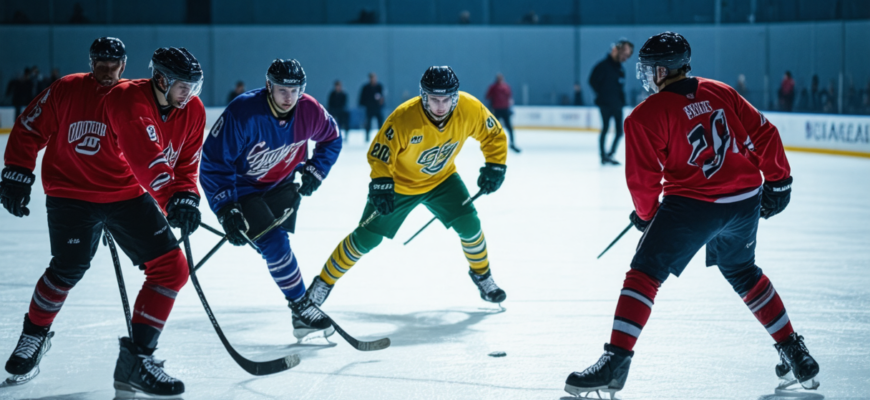
Hockey is a fast-paced, physically demanding sport that requires both strength and agility. Whether amateur or professional, players need to prepare their bodies properly before a game or training session and allow for appropriate recovery afterward. Well-structured warm-up and cool-down routines are essential not only for enhancing athletic performance but also for preventing injuries and promoting long-term athletic development. In this comprehensive guide, we’ll explore specific warm-up and cool-down routines tailored to hockey enthusiasts, covering key exercises, duration, and best practices to optimize both safety and effectiveness.
- The Importance of Proper Warm-up and Cool-down in Hockey
- Fundamentals of an Effective Warm-up Routine for Hockey
- Goals of a Hockey Warm-up
- Key Components of Warm-up
- Sample Warm-up Routine for Amateur Hockey Players
- Effective Cool-down Routine for Hockey Players
- Goals of a Cool-down
- Key Components of Cool-down
- Sample Cool-down Routine for Amateur Hockey Players
- Specific Exercises and Their Benefits
- Warm-up Exercises
- 1. Skating Specific Warm-up
- 2. Dynamic Leg Swings
- 3. Arm Circles and Shoulder Rolls
- Cool-down Exercises
- 1. Hamstring, Quadriceps, and Calf Stretches
- 2. Shoulder and Arm Stretches
- 3. Foam Rolling
- Common Mistakes and How to Avoid Them
- Tailoring Routines for Different Conditions and Players
- Adjusting for Age and Fitness Level
- Weather and Environment Considerations
- Sample Weekly Schedule Incorporating Warm-up and Cool-down
- References
The Importance of Proper Warm-up and Cool-down in Hockey
Unlike casual skating or recreational play, hockey involves quick accelerations, abrupt turns, and high-impact collisions, making proper preparation and recovery crucial. A good warm-up increases blood flow to muscles, enhances flexibility, and activates the nervous system, preparing the body for vigorous activity. Conversely, cool-down routines help reduce muscle soreness, facilitate recovery, and prevent stiffness. Neglecting these routines can increase the risk of injuries such as strains, sprains, or even more severe issues like ligament tears.
Fundamentals of an Effective Warm-up Routine for Hockey
Goals of a Hockey Warm-up
- Increase core and muscle temperature
- Improve joint mobility and flexibility
- Activate muscular and cardiovascular systems
- Enhance mental focus and concentration
- Prepare the body for high-intensity movements
Key Components of Warm-up
- General Cardiovascular Activity: Light jogging, skipping, or cycling for 5-10 minutes to boost heart rate and circulation.
- Dynamic Stretching: Moving stretches that mimic hockey movements, such as leg swings, arm circles, and hip rotations.
- Specific Hockey Drills: Skating drills, stickhandling, quick starts, and accelerations to prepare muscles for game-like conditions.
Sample Warm-up Routine for Amateur Hockey Players
| Stage | Exercises | Duration |
|---|---|---|
| 1. Light Cardio | Jogging or stationary cycling | 5-10 minutes |
| 2. Dynamic Stretching | Leg swings (front and lateral), arm circles, torso twists, lunges with torso twist, high knees, butt kicks | 5-7 minutes |
| 3. Hockey-specific Drills | Skating strides, stickhandling, quick stops, lateral shuffles, accelerations | 10-15 minutes |
Effective Cool-down Routine for Hockey Players
Goals of a Cool-down
- Gradually lower heart rate
- Reduce muscle stiffness and soreness
- Promote flexibility and recovery
- Prevent blood pooling and aid in metabolic waste removal
Key Components of Cool-down
- Light Aerobic Activity: Gentle skating or walking for 5-10 minutes.
- Static Stretching: Holding stretches for major muscle groups involved in hockey, such as hamstrings, quadriceps, calves, hip flexors, shoulders, and back.
- Post-Exercise Self-Myofascial Release: Use foam rollers or massage balls to release muscle tension.
Sample Cool-down Routine for Amateur Hockey Players
| Stage | Exercises | Duration |
|---|---|---|
| 1. Light Skating or Walking | Slow skating laps or walking around the rink or field | 5-10 minutes |
| 2. Static Stretching | Hamstring stretch, quadriceps stretch, calf stretch, shoulder stretch, triceps stretch | 10 minutes (holding each stretch for 20-30 seconds) |
| 3. Self-Myofascial Release | Foam rolling hamstrings, calves, glutes, back, shoulders | 5-10 minutes |
Specific Exercises and Their Benefits
Warm-up Exercises
1. Skating Specific Warm-up
This involves practicing skating strides, quick accelerations, and lateral movements. These drills prepare the neuromuscular system for high-quality skating and improve muscle memory.
2. Dynamic Leg Swings
Help loosen hip flexors and hamstrings, crucial for powerful strides and quick pivots during the game.
3. Arm Circles and Shoulder Rolls
Prepare the upper body for stick handling and shooting movements, increasing flexibility and reducing shoulder injuries.
Cool-down Exercises
1. Hamstring, Quadriceps, and Calf Stretches
Maintains flexibility and prevents stiffness after intense skating or shooting.
2. Shoulder and Arm Stretches
Relieve tension accumulated from stick handling, shooting, and checking.
3. Foam Rolling
Helps to break down fascial adhesions, promote circulation, and accelerate recovery.
Common Mistakes and How to Avoid Them
- Skipping the warm-up: Leads to increased risk of muscle strains and injuries. Always allocate at least 15-20 minutes to prepare the body.
- Overstretching cold muscles: Static stretching should only be performed after activity to prevent strains. Dynamic stretching is preferable during warm-up.
- Neglecting cool-down: Failing to cool down can cause muscle soreness and stiffness, hampering subsequent training.
- Using improper technique: Improper stretching or foam rolling can cause injuries. Ensure exercises are performed with proper form.
Tailoring Routines for Different Conditions and Players
Adjusting for Age and Fitness Level
Older or less-fit players should perform longer and gentler warm-up and cool-down routines, emphasizing mobility and flexibility. More advanced players can incorporate higher-intensity drills and quicker transitions.
Weather and Environment Considerations
Cold environments necessitate longer warm-up periods to raise body temperature. Indoor rinks may require less time, but outdoor play demands thorough preparation.
Sample Weekly Schedule Incorporating Warm-up and Cool-down
1. Game Days:
   - Warm-up: 20 minutes
   - Cool-down: 15 minutes
2. Training Sessions:
   - Warm-up: 15 minutes
   - Cool-down: 10-15 minutes
3. Rest Days:
   - Light activity such as stretching or yoga
In amateur hockey, proper warm-up and cool-down routines are key to enhancing performance, reducing injury risks, and ensuring long-lasting active participation. Customizing these routines based on individual needs, environmental conditions, and training intensity can significantly improve overall results. Implementing structured and consistent pre- and post-exercise practices not only benefits physical health but also elevates the enjoyment and longevity of involvement in this exhilarating sport.
References
- Reid, J., & Waller, B. (2018). The Science of Hockey: Exercise and Injury Prevention. Sports Performance Journal.
- Smith, L. (2020). Effective Warm-up and Cool-down Strategies in Ice Hockey. Journal of Sports Medicine.
- FIFA Medical Guidelines. (2019). Prevention of Injuries in Ice Hockey.
Похожие записи:
 Effective Tips for Preventing Common Hockey Injuries: A Guide for Amateur Players
  Mastering Proper Hockey Stick Use: Tips to Enhance Performance and Prevent Injuries
  Off-Ice Strength Training Exercises for Amateur Hockey Fans: Boost Your Performance Off the Ice
  Simple Ways to Build Stamina for Hockey: The Ultimate Guide for Amateur Players
  Simple Drill Routines for Consistent Improvement in Hockey for Amateurs
  Maximize Your Hockey Skills: Expert Video Analysis Tips to Elevate Your Technique
  Simple and Effective Ways to Improve Your Balance on Skates for Amateur Hockey Players
  Speed Drills to Enhance Your On-Ice Performance in Hockey: A Comprehensive Guide for Amateurs
  The Crucial Role of Fitness and Strength in Hockey Performance
  Effective Simple Drills to Boost Puck Control and Agility for Amateur Hockey Players
  Mastering Hockey Skills: A Comprehensive Guide to Creating an Effective Personal Practice Routine for Faster Improvement
  Mastering Power Play: Essential Strategies for Effective Hockey Performance
  Nutrition Strategies to Optimize Muscle Recovery for Amateur Hockey Players
  The Critical Role of Core Strength in Enhancing Hockey Performance
  Mastering the Art of Effective Ice Stops: Essential Techniques for Amateur Hockey Players
  Mastering Balance and Stability: Essential Techniques for Amateur Hockey Players