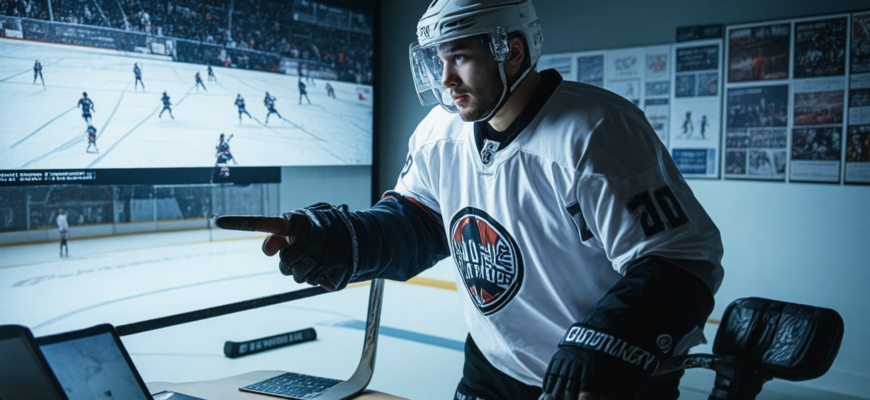
Ice hockey is a fast-paced, physically demanding sport that requires a combination of precision, agility, and strategic thinking. For amateur players aiming to enhance their skills, one of the most effective tools available today is video analysis. By carefully reviewing recorded footage of your gameplay, you can identify strengths and weaknesses, fine-tune your techniques, and accelerate your development on the ice. This comprehensive guide explores various tips and strategies for leveraging video analysis to improve your hockey performance.
- Understanding the Importance of Video Analysis in Hockey
- Preparing for Effective Video Analysis
- Recording High-Quality Footage
- Organizing Your Video Library
- Choosing the Right Tools for Video Analysis
- Software Options
- Hardware Equipment
- Analyzing Your Hockey Technique Step-by-Step
- Evaluating Skating Technique
- Assessing Shooting and Passing
- Reviewing Defensive Skills
- Improving Tactical Awareness
- Strategies for Effective Video Review
- Setting Specific Goals
- Using Evidence-Based Feedback
- Applying Incremental Changes
- Involving Coaches and Peers
- Integrating Video Analysis into Your Training Routine
- Regular Review Sessions
- Complementing Video Analysis with On-Ice Drills
- Tracking Progress Over Time
- Effective Drills Based on Video Feedback
- Common Mistakes to Avoid During Video Analysis
- Making Video Analysis a Cornerstone of Your Hockey Development
Understanding the Importance of Video Analysis in Hockey
In the realm of amateur hockey, players often rely on instinct and intuition during games. While these qualities are vital, they can sometimes obscure areas where improvement is attainable. Video analysis provides an objective perspective, allowing players to scrutinize their movements, decision-making, and positioning in detail.
Key benefits include:
- Identifying technical flaws: Small errors in skating, shooting, or passing can significantly impact game results.
- Tracking progress over time: Watching recordings at regular intervals reveals improvements and persistent issues.
- Understanding game dynamics: Recognizing how you interact with teammates and opponents enhances tactical awareness.
- Enhancing self-awareness: Learning to critically evaluate your own performance develops a more disciplined approach to training.
Preparing for Effective Video Analysis
Recording High-Quality Footage
To make the most of your analysis, start with recordings that clearly capture your movements and gameplay. Consider these essentials:
- Use multiple cameras: Position cameras at various angles, such as behind the glass and overhead, to get comprehensive views.
- Choose good lighting: Well-lit rinks ensure clarity, especially for close-up details.
- Record in high resolution: HD videos provide sharper images, making fine details easier to analyze.
- Focus on key moments: Capture critical plays, such as breakaways, defensive clears, and power plays.
Organizing Your Video Library
Maintaining an organized collection facilitates efficient review sessions. Create folders categorized by date, game, drill, or specific aspect of play. Use descriptive filenames to identify content quickly, for example, “2023-11-10_PowerPlay_EdgeSweep.mp4”.
Choosing the Right Tools for Video Analysis
Software Options
Various applications are designed to streamline the analysis process. Some popular tools include:
- Coach’s Eye: User-friendly interface suitable for detailed slow-motion review.
- Ubersense: Offers drawing tools and side-by-side comparison features.
- Vimeo and YouTube: Platforms for sharing and commenting on videos.
- Sportscode: Advanced software used by professional teams, suitable for serious amateurs.
Hardware Equipment
Besides software, consider investing in peripherals:
- Tripods and mounts: Stabilize cameras for steady footage.
- Smartphones with high-quality lenses: Modern smartphones often suffice for recording good quality videos.
- External microphones: For capturing conversations and audio cues, if necessary.
Analyzing Your Hockey Technique Step-by-Step
Evaluating Skating Technique
Skating is fundamental in hockey, and video analysis helps optimize efficiency. Pay attention to:
- Stride length and frequency
- Balance and posture
- Edge control and weight distribution
- Stopping and starting techniques
Tip: Use slow-motion playback to observe subtle movements, then compare your form to professional players or coaching clips.
Assessing Shooting and Passing
Precision in shooting and passing greatly influences offensive success. Focus on:
- Hand positioning
- Follow-through motion
- Transfer of weight during shot
- Head and eye movement for aiming
Reviewing Defensive Skills
Defense requires quick reactions and positioning. Watch your footage for:
- Gap control and positioning relative to opponents
- Stick positioning and poke checks
- Engagement in body contact
- Transition from offense to defense
Improving Tactical Awareness
Beyond individual skills, understanding the game flow is essential. Analyze how you:
- Position yourself during power plays and penalty kills
- Support teammates during offensive rushes
- Maintain spacing and create passing lanes
- Recognize opponents’ patterns and adapt accordingly
Strategies for Effective Video Review
Setting Specific Goals
Before each session, define what aspects you want to examine, such as improving shot accuracy or enhancing backchecking skills. Clear objectives help focus your review and make it productive.
Using Evidence-Based Feedback
Note specific instances during gameplay that highlight areas for improvement. For example, “On minute 7:32, I failed to establish proper defensive positioning,” or “My wrist shot at 12:15 lacked power.” This concrete feedback is more actionable than vague statements.
Applying Incremental Changes
Instead of overhauling your entire game at once, target one or two weaknesses per review session. For example, dedicate one session solely to improving skating posture, another to accuracy of shots, and so forth. This stepwise approach fosters steady progress.
Involving Coaches and Peers
Sharing videos with a coach or experienced teammate can provide valuable insights. They may notice issues you overlooked and suggest tailored drills to address specific problems.
Integrating Video Analysis into Your Training Routine
Regular Review Sessions
Consistency is key. Schedule weekly or bi-weekly review sessions to track progress and adjust training plans accordingly. Short, frequent sessions tend to be more effective than sporadic, lengthy ones.
Complementing Video Analysis with On-Ice Drills
Use insights from video reviews to inform your on-ice practice. For example, if you notice inconsistent skating strides, incorporate drills focused on stride length and balance. Similarly, if shooting accuracy needs work, dedicate time to repetition of shots from various angles.
Tracking Progress Over Time
Create a performance journal or spreadsheet where you log observations, improvements, and remaining challenges. Over time, this record helps identify patterns and measure growth objectively.
Effective Drills Based on Video Feedback
| Skill Area | Recommended Drills | Purpose |
|---|---|---|
| Skating |
| Enhance stability, speed, and maneuverability |
| Shooting |
| Improve shot precision and speed |
| Passing |
| Increase passing accuracy and timing |
| Defense |
| Boost defensive reactions and positioning |
Common Mistakes to Avoid During Video Analysis
- Overanalyzing without action: Watching footage is helpful, but it must be followed by practical training to address identified issues.
- Ignoring mental and tactical aspects: Technical skills are vital, but understanding game strategy is equally important.
- Focusing only on mistakes: Recognizing achievements boosts motivation and confidence.
- Neglecting overall athletic development: Supplement skating and skills work with strength, conditioning, and flexibility exercises.
Making Video Analysis a Cornerstone of Your Hockey Development
Implementing systematic video analysis into training routines transforms raw plays into valuable learning opportunities. With patience, consistency, and a critical eye, amateur players can rapidly enhance their technique, tactical understanding, and overall performance on the ice. By leveraging appropriate equipment, software, and structured review strategies, players create a powerful feedback loop that propels their hockey journey forward. Remember, the road to mastery involves continuous learning, and video analysis is a vital tool in unlocking your full potential in ice hockey.
Похожие записи:
 Essential Hockey Drills to Elevate Your Skills at Home or During Practice
  How to Avoid Common Hockey Penalties: Expert Tips for Amateur Players
  Effective Warm-up and Cool-down Routines for Amateur Hockey Players: Maximize Performance and Minimize Injuries
  Mastering Hockey: How Watching Online Tutorials and Videos Can Elevate Your Game for Amateur Players
  Mastering Fast Decision-Making Skills in Hockey During Pace Play
  Building Confidence in Your Skating and Puck Skills: A Complete Guide for Amateur Hockey Players
  Mastering Hockey Skills: A Comprehensive Guide to Creating an Effective Personal Practice Routine for Faster Improvement
  Mastering Puck Handling: How to Improve Your Hockey Skills at Home
  The Crucial Role of Practice Drills in Enhancing Hockey Skills for Amateurs
  Mastering the Art of Following a Hockey Game’s Flow: Essential Tips for Amateur Players to Improve Awareness
  Mastering the Fundamentals of Puck Retrieval and Chase in Hockey: Essential Skills for Amateur Players
  Mastering Recovery and Rebound Control: Essential Skills for Amateur Hockey Players
  The Basics of Power, Balance, and Body Movement for Better Hockey Skills
  Essential Stickhandling Drills for New Hockey Players: Improve Your Skills on Ice
  Mastering Team Chemistry: Essential Tips for Effective Collaboration in Amateur Hockey
  Effective Tips for Preventing Common Hockey Injuries: A Guide for Amateur Players