
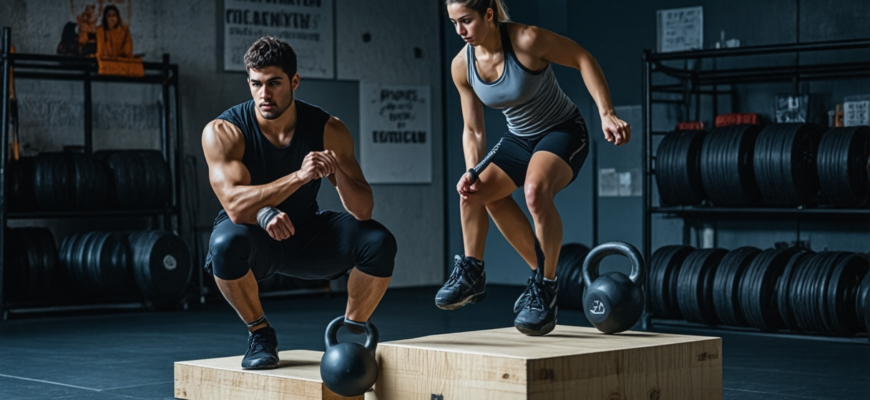
Hockey, as a fast-paced, physically demanding sport, requires players to possess a unique blend of strength, agility, endurance, and resilience. While on-ice training lays the foundation for technical skills and game tactics, off-ice strength training is equally vital for maximizing athletic potential. For amateur hockey enthusiasts, incorporating targeted strength exercises outside the rink can lead to significant performance improvements, injury prevention, and overall fitness enhancement.
- Understanding the Importance of Off-Ice Training in Hockey
- The Main Benefits of Off-Ice Strength Exercises for Amateur Hockey Players
- Key Muscle Groups Targeted in Off-Ice Hockey Training
- Effective Off-Ice Exercises for Amateur Hockey Enthusiasts
- 1. Squat Variations
- Standard Squat
- Jump Squats (Plyometric)
- 2. Lunges
- Walking Lunges
- Reverse Lunges
- 3. Deadlifts
- Romanian Deadlifts
- 4. Core Exercises
- Planks
- Russian Twists
- Mountain Climbers
- 5. Upper Body Strengthening
- Push-Ups
- Pull-Ups
- Bench Press
- Sample Weekly Off-Ice Training Program
- Incorporating Flexibility and Mobility Drills
- Safety Tips and Best Practices
- Remember:
Understanding the Importance of Off-Ice Training in Hockey
Hockey places considerable physical stress on players, especially during quick sprints, body checks, and maintaining balance on skates. The demands extend beyond skating skills to include core stability, muscular endurance, and explosive power. Off-ice training allows players to focus on these areas in a controlled environment, reducing the risk of injury and augmenting on-ice performance. Additionally, training outside the ice promotes muscular symmetry, which is crucial for injury prevention.
The Main Benefits of Off-Ice Strength Exercises for Amateur Hockey Players
- Enhancement of Explosive Power: Improves acceleration and shot strength.
- Improved Stability and Balance: Critical for maintaining control during fast-paced plays.
- Injury Prevention: Strengthens muscles, tendons, and ligaments, reducing the likelihood of strains and sprains.
- Increased Endurance: Allows for sustained performance throughout the game.
- Better Overall Athleticism: Contributes to agility, speed, and quick directional changes.
Key Muscle Groups Targeted in Off-Ice Hockey Training
| Muscle Group | Importance in Hockey | Primary Exercises |
|---|---|---|
| Lower Body | Powerful skating strides, stability, and balance | Squats, lunges, deadlifts |
| Core Muscles | Maintaining posture, quick turns, and puck handling | Planks, Russian twists, mountain climbers |
| Upper Body | Shot power, check resistance, stick handling | Push-ups, pull-ups, bench presses |
| Flexibility and Mobility | Prevents injuries, enhances agility | Stretching routines, yoga, dynamic warm-ups |
Effective Off-Ice Exercises for Amateur Hockey Enthusiasts
1. Squat Variations
Why they matter: Squats develop the glutes, quads, hamstrings, and calves, all critical for powerful skating strides and explosive movements. They also improve core stability and lower body strength.
Standard Squat
- Stand with feet shoulder-width apart, toes slightly outward.
- Lower your body by bending the knees and hips as if sitting in a chair.
- Keep the back straight and chest upright.
- Descend until thighs are parallel to the ground.
- Push through heels to return to the starting position.
Jump Squats (Plyometric)
- Perform a standard squat, then explosively jump upward.
- Land softly and immediately descend into the next squat.
- Recommended for developing explosive power.
2. Lunges
Unilateral training to enhance balance and correct asymmetries.
Walking Lunges
- Step forward with one leg, lowering hips until both knees are at 90 degrees.
- Push off the front foot to bring the back foot forward into the next lunge.
- Repeat, maintaining upright torso and controlled movement.
Reverse Lunges
- Step backward into a lunge position, then push back to start.
- Great for knee health and improving stability.
3. Deadlifts
Develops posterior chain muscles, essential for explosive power and injury prevention.
Romanian Deadlifts
- Stand with feet hip-width apart, holding a barbell or dumbbells.
- Keep legs slightly bent, hinge at the hips, lowering weights along the front of legs.
- Maintain a flat back and engage glutes and hamstrings.
- Return to standing by thrusting hips forward.
4. Core Exercises
A strong core improves stability and power transfer during skating, shooting, and checking.
Planks
- Keep forearms on the ground, body straight from head to heels.
- Hold the position for 30 seconds to several minutes.
Russian Twists
- Sit on the ground, lean back slightly, lift feet off the floor.
- Twist torso side to side, holding a weight or medicine ball.
Mountain Climbers
- Start in push-up position.
- Rapidly bring knees toward the chest, alternating legs.
- Enhances core strength and cardiovascular fitness.
5. Upper Body Strengthening
Key for improving shot power, puck control, and physical confrontations.
Push-Ups
- Standard, wide, or close-grip variations to target different muscles.
- Engages chest, shoulders, and triceps.
Pull-Ups
- Vertical pulling motion emphasizing back and biceps.
- Must be performed with proper form to avoid shoulder strain.
Bench Press
- Bench with barbell or dumbbells to strengthen chest, shoulders, and arms.
- Useful for improving shooting strength.
Sample Weekly Off-Ice Training Program
To optimize conditioning, it is recommended to include strength training 3–4 times per week, with rest or active recovery days in between. Here is an example:
| Day | Focus | Exercises |
|---|---|---|
| Monday | Lower Body & Core | Squats, lunges, planks, mountain climbers |
| Wednesday | Upper Body & Power | Push-ups, pull-ups, deadlifts, Russian twists |
| Friday | Full Body & Plyometrics | Jump squats, reverse lunges, core circuit |
| Sunday | Active Recovery | Stretching, yoga, light cardio |
Incorporating Flexibility and Mobility Drills
Flexibility and mobility exercises should complement strength work to prevent injuries and improve agility. Incorporate dynamic stretches before workouts and static stretching afterward. Activities like yoga can enhance overall flexibility, balance, and mental focus, which are vital for competitive hockey performance.
Safety Tips and Best Practices
- Warm Up Properly: Always perform a 5–10 minute warm-up to prepare muscles and joints.
- Use Proper Technique: Form is crucial to prevent injuries. Seek guidance if unfamiliar with exercises.
- Progress Gradually: Increase weights, repetitions, or intensity slowly.
- Listen to Your Body: Rest adequately and avoid overtraining.
- Stay Hydrated and Maintain Nutrition: Proper hydration and nutrition support recovery and performance.
For amateur hockey fans, integrating a well-structured off-ice strength training routine can drastically enhance on-ice performance. Focused exercises targeting key muscle groups, combined with flexibility routines and proper recovery, lay the foundation for faster skating, stronger shots, better balance, and injury prevention. With consistency and attention to proper technique, hockey enthusiasts can elevate their game and enjoy greater physical resilience both on and off the ice.
Remember:
- Consistency is key for progress.
- Combine strength training with technical skating drills.
- Prioritize safety and proper form over heavy weights.
- Continuously challenge yourself to improve.
Start today, incorporate these exercises into your weekly routine, and watch your performance on the ice improve steadily. Hockey is not only a sport but also a lifelong passion—taking care of your body off the ice will ensure many years of enjoyment and success.
Похожие записи:
 The Critical Role of Core Strength in Enhancing Hockey Performance
  The Crucial Role of Fitness and Strength in Hockey Performance
  Unbreakable Mind: Mental Toughness Exercises for Amateur Hockey Fans
  Speed Drills to Enhance Your On-Ice Performance in Hockey: A Comprehensive Guide for Amateurs
  Introductory Power Skating Exercises: Essential Skills for Aspiring Hockey Players
  Effective Warm-up and Cool-down Routines for Amateur Hockey Players: Maximize Performance and Minimize Injuries
  Ultimate Guide to Drills that Boost Eye and Hand Coordination for Amateur Hockey Enthusiasts
  Mastering Proper Hockey Stick Use: Tips to Enhance Performance and Prevent Injuries
  Effective Simple Drills to Boost Puck Control and Agility for Amateur Hockey Players
  The Basics of Power, Balance, and Body Movement for Better Hockey Skills
  Effective Tips for Preventing Common Hockey Injuries: A Guide for Amateur Players
  Effective Passing Drills to Boost Teamwork in Hockey for Amateurs
  Mastering Balance and Stability: Essential Techniques for Amateur Hockey Players
  Mastering Speed and Control in Skating: The Ultimate Guide for Amateur Hockey Players
  Must-Have Gloves for Amateur Hockey Enthusiasts: Essential Protection and Performance
  Mastering Power Play: Essential Strategies for Effective Hockey Performance