
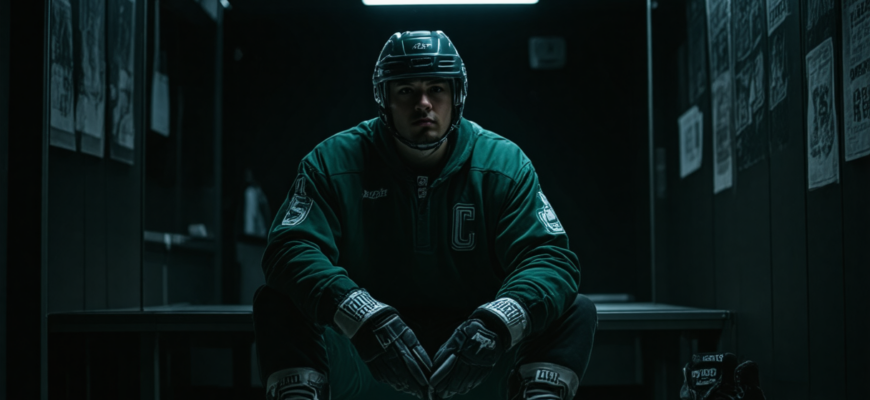
Hockey is often celebrated for its speed, power, and agility on ice, but behind the physical prowess lies a vital component that determines success just as much as skill: mental toughness. For amateur hockey enthusiasts, developing resilience, focus, and confidence can dramatically enhance their enjoyment, performance, and longevity in the sport. Whether you’re a casual player, a dedicated fan who also hits the ice, or someone aspiring to improve your mental game, this comprehensive guide offers practical mental toughness exercises tailored for hockey lovers at every level.
- The Importance of Mental Toughness in Hockey
- Core Principles of Mental Toughness in Hockey
- Effective Mental Toughness Exercises for Amateur Hockey Fans
- 1. Visualisation Practice
- Purpose:
- How to Perform:
- 2. Mindfulness Meditation
- Purpose:
- How to Perform:
- 3. Controlled Breathing Exercises
- Purpose:
- Method:
- 4. Self-Talk and Affirmation Techniques
- Purpose:
- Practice:
- 5. Goal Setting and Progress Tracking
- Purpose:
- How to Implement:
- Sample Weekly Mental Toughness Training Schedule
- Additional Tips for Building Mental Resilience in Hockey
The Importance of Mental Toughness in Hockey
While physical conditioning and technical skills are often prioritized, mental resilience is equally crucial in hockey. The game is fast-paced, unpredictable, and often physically demanding, requiring players and fans alike to maintain composure under pressure. Cultivating mental toughness enables athletes and enthusiasts to:
- Stay focused amid chaos on the ice.
- Recover quickly from mistakes and setbacks.
- Maintain confidence during crucial moments.
- Manage pre-game nerves and anxiety.
- Build consistent performance over time.
For fans who also skate or aspire to join amateur leagues, enhancing mental resilience can be transformative, turning frustration into motivation and casual play into confident, strategic engagement with the game.
Core Principles of Mental Toughness in Hockey
Understanding the foundational principles helps in designing effective exercises. They include:
- Focus: maintaining attention on the game or task without distraction.
- Confidence: trusting one’s skills and decisions.
- Resilience: bouncing back from setbacks or mistakes.
- Emotional Control: managing emotions like frustration, anxiety, or over-excitement.
- Motivation: sustaining enthusiasm and effort over time.
Effective Mental Toughness Exercises for Amateur Hockey Fans
This section introduces a variety of exercises that can be incorporated into daily routines or pre-game preparations to bolster mental resilience for hockey enthusiasts.
1. Visualisation Practice
Purpose:
Enhances focus and prepares the mind for various game scenarios by creating vivid mental images.
How to Perform:
- Find a quiet, comfortable space free from distractions.
- Close your eyes and take deep breaths to relax.
- Visualise yourself playing in a hockey game — skating, passing, shooting, defending.
- Imagine specific scenarios, such as scoring a goal, making a crucial save, or recovering from a mistake.
- Engage all senses: hear the crowd, feel the puck, see the rink vividly.
- Repeat regularly, especially before games or practice sessions.
2. Mindfulness Meditation
Purpose:
Improves focus, reduces anxiety, and cultivates emotional control during intense game moments.
How to Perform:
- Sit comfortably and close your eyes.
- Focus on your breath — observe the inhale and exhale.
- If your mind wanders, gently bring attention back to your breathing.
- Practice for 5–10 minutes daily.
- Apply mindfulness techniques before games to calm nerves and enhance present-moment awareness.
3. Controlled Breathing Exercises
Purpose:
Helps manage physiological responses to stress, maintaining composure under pressure.
Method:
- Inhale slowly through the nose for 4 seconds.
- Hold the breath for 4 seconds.
- Exhale gradually through the mouth for 6 seconds.
- Pause for 2 seconds before the next inhale.
Repeat this cycle 10 times, especially during game breaks or stressful moments.
4. Self-Talk and Affirmation Techniques
Purpose:
Builds confidence and counters negative thoughts that can impair performance.
Practice:
- Identify common negative thoughts (e.g., “I can’t do this” or “I’m not good enough”).
- Replace them with positive, empowering affirmations (e.g., “I am prepared and capable,” “I can handle pressure”).
- Repeat affirmations before and during games or practice.
- Write down and keep these affirmations visible or in your mind.
5. Goal Setting and Progress Tracking
Purpose:
Fosters motivation, focus, and a sense of achievement.
How to Implement:
- Set SMART goals (Specific, Measurable, Achievable, Relevant, Time-bound). Examples include improving puck control or becoming more confident in face-offs.
- Break goals into smaller, actionable steps.
- Regularly review progress and adjust goals as needed.
- Celebrate small victories to stay motivated.
Sample Weekly Mental Toughness Training Schedule
| Day | Exercise | Duration / Frequency | Purpose |
|---|---|---|---|
| Monday | Visualization + Breathing exercises | 10 minutes each | Focus & Stress Management |
| Tuesday | Mindfulness meditation | 10 minutes | Emotional control |
| Wednesday | Self-talk affirmation practice | 5 minutes | Confidence building |
| Thursday | Goal setting & tracking | 15 minutes | Motivation & Progress |
| Friday | Combination meditation & visualization | 10 minutes | Preparation for game day |
| Saturday / Game Day | Pre-game mindfulness & deep breathing | Before the game | Focus & Calmness |
| Sunday | Rest or light mental review | – | Recovery & Reflection |
Additional Tips for Building Mental Resilience in Hockey
- Consistency Is Key: Regular practice of these exercises yields the best results.
- Maintain a Growth Mindset: View mistakes as opportunities to learn rather than failures.
- Seek Support: Engage with coaches, teammates, or mental health professionals if needed.
- Healthy Lifestyle: Adequate sleep, balanced nutrition, and physical activity support mental resilience.
- Stay Present: Focus on the current moment rather than dwelling on past errors or future worries.
Developing mental toughness is essential for amateur hockey fans who seek to maximize their enjoyment and performance in the sport. Through consistent practice of visualization, mindfulness, controlled breathing, positive self-talk, and goal setting, enthusiasts can build resilience, enhance focus, and enjoy hockey at a deeper level. Remember, the mind is just as trainable as the body, and nurturing mental strength paves the way for a more satisfying and successful hockey journey, both on and off the ice.
Start incorporating these exercises into your routine today, and watch as your mental game strengthens, allowing you to face hockey challenges with confidence and resilience.
Похожие записи:
 Off-Ice Strength Training Exercises for Amateur Hockey Fans: Boost Your Performance Off the Ice
  Mastering Concentration: Proven Tips to Maintain Mental Focus During Hockey Games
  Mastering the Mental Game: How to Manage Stress and Stay Focused During Intense Hockey Moments
  Introductory Power Skating Exercises: Essential Skills for Aspiring Hockey Players
  Building Confidence in Your Skating and Puck Skills: A Complete Guide for Amateur Hockey Players
  Mastering Youth and Amateur Leagues: Essential Rules and Winning Strategies for Aspiring Hockey Players
  Mastering Overtime and Shootouts Rules in Hockey: A Guide for Amateur Enthusiasts
  Effective Warm-up and Cool-down Routines for Amateur Hockey Players: Maximize Performance and Minimize Injuries
  The Critical Role of Rest and Recovery in Amateur Hockey Success
  Effective Tips for Preventing Common Hockey Injuries: A Guide for Amateur Players
  Ultimate Guide to Drills that Boost Eye and Hand Coordination for Amateur Hockey Enthusiasts
  Nutrition Strategies to Optimize Muscle Recovery for Amateur Hockey Players
  Understanding the Role of Coaches in Amateur Hockey Development
  How to Stay Motivated as a Beginner Hockey Player: Tips for Amateur Enthusiasts
  Simple and Effective Ways to Improve Your Balance on Skates for Amateur Hockey Players
  Mastering Hockey Skills: A Comprehensive Guide to Creating an Effective Personal Practice Routine for Faster Improvement