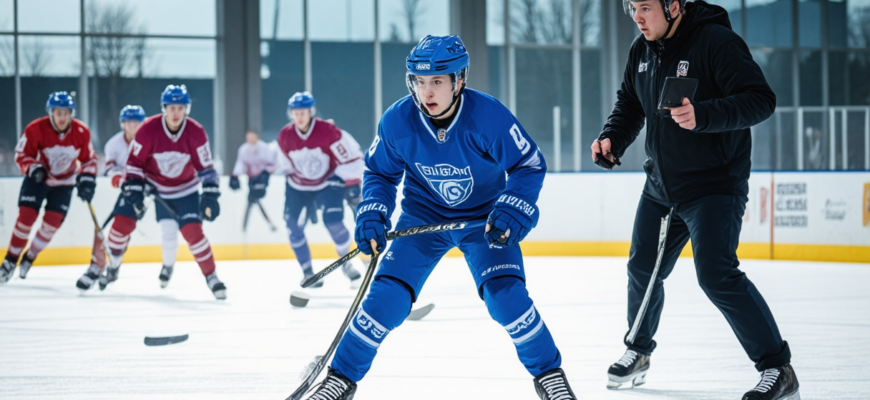
Hockey is a fast-paced, exciting sport that captivates millions around the world. While professional leagues garner most of the headlines, countless young and amateur players participate in local leagues, developing their skills, teamwork, and love for the game. For those new to amateur hockey, understanding the fundamental rules and effective strategies is crucial to enjoying the game, improving performance, and competing successfully. This comprehensive guide covers the essential rules of youth and amateur hockey and explores proven strategies that can elevate any player’s game.
- Understanding the Basic Rules of Youth and Amateur Hockey
- 1. The Playing Field and Equipment
- 2. Game Structure and Duration
- 3. Basic Rules and Regulations
- Offside Rule
- Icing Violation
- Penalty Rules
- Face-offs
- Strategies for Youth and Amateur Hockey Success
- 1. Developing Fundamental Skills
- 2. Enhancing Teamwork and Communication
- 3. Implementing Fundamental Tactical Strategies
- Forechecking
- Defensive Zone Coverage
- 4. Power Play and Penalty Kill Tactics
- 5. Physical Conditioning and Mental Toughness
- Effective Training Drills for Youth and Amateur Players
- 1. Skating and Agility Drills
- 2. Shooting and Passing Exercises
- 3. Small Area Games
- Rules and Strategies Summary Table
- Navigating Youth and Amateur Hockey for Success
- Additional Tips for Amateur Hockey Participants
Understanding the Basic Rules of Youth and Amateur Hockey
1. The Playing Field and Equipment
Before diving into rules, it’s vital to understand the environment where the game takes place and the equipment players are required to use.
- The Ice Rink: Standard amateur hockey rinks measure approximately 61 meters (200 feet) in length and 30 meters (85 feet) in width. The ice is marked with lines and circles aiding gameplay regulation.
- Protective Gear: Helmets, mouthguards, shoulder pads, elbow pads, gloves, protective shorts (hockey pants), shin guards, and skates are mandatory for safety.
2. Game Structure and Duration
Most youth and amateur hockey games consist of three periods, each lasting 12–20 minutes depending on age and league rules. The game clock stops during stoppages, and there are brief intermissions between periods.
- Overtime: In case of a tie, some leagues include overtime periods or shootouts to determine the winner.
- Timeouts: Coaches may request timeouts (usually 30 seconds) to give strategic instructions.
3. Basic Rules and Regulations
Offside Rule
The puck must enter the attacking zone (beyond the blue line) before any attacking player does. If a player crosses the blue line ahead of the puck, play is stopped for an offside violation.
Icing Violation
If a player shoots the puck across the center red line and beyond the opponent’s goal line without it being touched, play is halted. This rule encourages continuous action and discourages “dumping” the puck deep into the defensive zone as a defensive tactic.
Penalty Rules
infractions like tripping, slashing, high-sticking, hooking, fighting, and obstruction result in penalties, leading to temporary removal of players from the ice (usually 2, 5, or 10 minutes). The penalized team plays shorthanded during this time.
Face-offs
Play resumes via face-offs at designated spots on the ice. This involves two players facing off at center ice or near the goal in cases of specific infractions.
Strategies for Youth and Amateur Hockey Success
1. Developing Fundamental Skills
Base skills lie at the heart of any successful hockey player. Emphasize consistent practice of the following:
- Skating: Master forward and backward skating, quick turns, and stops. Good skating controls speed and agility.
- Puck Handling: Improve stickhandling for better control and maneuverability.
- Shooting: Practice wrist shots, slap shots, and backhands for accuracy and power.
- Passing: Work on precise and timely passes to maintain possession and create scoring opportunities.
2. Enhancing Teamwork and Communication
Hockey is a team sport where synchronization and communication are vital. Effective teams:
- Maintain constant verbal and non-verbal communication.
- Use signals to indicate plays or defensive shifts.
- Coordinate positioning for offensive pressure and defensive coverage.
3. Implementing Fundamental Tactical Strategies
Forechecking
This aggressive tactic applies pressure on opponents with the puck in their zone, forcing turnovers. Common forechecking strategies include:
- 1-2-2 Formation: One forward applies pressure, two support, and one stays back.
- Pinching: Defensemen rush to keep the puck in the offensive zone.
Defensive Zone Coverage
Effective coverage prevents scoring chances:
- Man-to-Man: Each defender marks an opponent.
- Zone Defense: Defenders cover specific areas, providing safety and adaptability.
4. Power Play and Penalty Kill Tactics
Special teams often decide game outcomes. Developing strategies for these situations can be a game-changer.
| Power Play | Penalty Kill |
|---|---|
| Maximize puck movement, create shooting lanes, overload one side to open space. | Clear the puck, block shooting angles, and ensure tight marking on opponents’ key players. |
5. Physical Conditioning and Mental Toughness
Stamina, strength, and resilience are essential at all levels of amateur hockey. Incorporate endurance training, strength exercises, and mental preparation techniques such as visualization and staying focused under pressure.
Effective Training Drills for Youth and Amateur Players
1. Skating and Agility Drills
- Sprints and Stops: Short-distance sprints with quick stops to improve acceleration and control.
- Figure Eight Drills: Weaving through cones to develop agility and puck control.
2. Shooting and Passing Exercises
- Rapid-fire shooting on a stationary puck to improve accuracy.
- Passing against the boards to simulate game situations.
3. Small Area Games
Small-sided games in confined spaces enhance puck handling, quick decision-making, and teamwork under pressure.
Rules and Strategies Summary Table
| Aspect | Description |
|---|---|
| Basic Rules | Offside, icing, penalties, face-offs, game duration. |
| Foundational Strategies | Skating, puck handling, shooting, passing. |
| Positional Play | Forechecking, zone coverage, defensive and offensive formations. |
| Special Teams Tactics | Power play and penalty kill strategies to leverage numerical advantages. |
| Training Focus | Physical conditioning, mental toughness, and skill development drills. |
Navigating Youth and Amateur Hockey for Success
Understanding the essential rules and implementing effective strategies form the foundation of a successful amateur hockey experience. While mastering technical skills and tactical awareness, players should also focus on fitness and mental resilience. Coaches and players alike benefit from continuous learning, disciplined practice, and teamwork. Whether aspiring to move into higher leagues or simply aiming to enjoy the game, knowledge of the rules and strategies significantly enhances performance and fosters a lasting passion for hockey.
Additional Tips for Amateur Hockey Participants
- Always prioritize safety and wear proper protective gear.
- Engage in regular practice to refine skills and build confidence.
- Watch and analyze professional games to understand advanced tactics.
- Maintain a positive attitude and respect teammates, opponents, and officials.
Похожие записи:
 Mastering the Basics of Hockey: Essential Rules and Safety Tips for Beginners
  Mastering the Basics: Introduction to Offsides and Icing Rules in Hockey for Amateurs
  Essential Offensive Strategies in Hockey for Amateur Players
  Mastering Overtime and Shootouts Rules in Hockey: A Guide for Amateur Enthusiasts
  Mastering the Ice: A Comprehensive Guide to the Basic Rules of Ice Hockey for Beginners
  Mastering Team Strategies and Support in Amateur Hockey: Achieving Success Together
  Mastering Power Play: Essential Strategies for Effective Hockey Performance
  Mastering the Ice: Essential Defensive Positioning Strategies in Hockey for Amateurs
  Introductory Power Skating Exercises: Essential Skills for Aspiring Hockey Players
  Basic Strategies for Beginner Hockey Players: A Complete Guide for Amateur Enthusiasts
  Mastering Body Checks and Staying Safe on the Ice: An Essential Guide for Amateur Hockey Enthusiasts
  Mastering Offensive Strategies: How to Plan Effective Attacks and Maintain Possession in Hockey for Amateurs
  Mastering the Art of Puck Recovery: Strategies for Effective Play in Amateur Hockey
  Mastering Recovery and Rebound Control: Essential Skills for Amateur Hockey Players
  What to Look for When Buying Youth Hockey Jerseys: A Complete Guide for Enthusiasts
  Mastering On-Ice Communication: Essential Tips for Effective Player Interaction in Amateur Hockey