
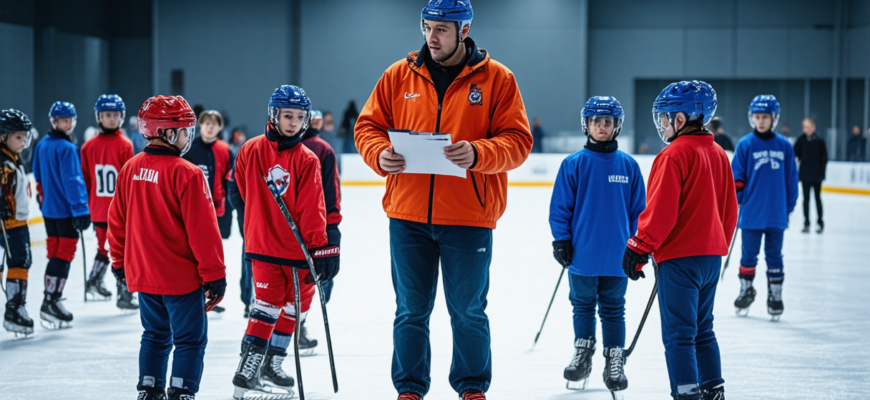
Hockey is a sport that combines skill, strategy, physical endurance, and team spirit. While talented players and state-of-the-art equipment contribute to the game’s excitement, the vital role of coaches in nurturing amateur hockey talent often goes underappreciated. Coaches serve as mentors, strategists, trainers, and motivators, guiding enthusiasts from beginners to skilled competitors. This comprehensive overview explores how coaches influence the development of amateur hockey players, the skills they must possess, and the best practices for fostering growth at the grassroots level.
- Introduction to Amateur Hockey and Its Significance
- The Core Responsibilities of Coaches in Amateur Hockey
- 1. Skill Development and Technical Training
- 2. Tactical and Strategic Guidance
- 3. Physical Conditioning and Injury Prevention
- 4. Psychological Support and Motivation
- 5. Building Team Culture and Sportsmanship
- Key Qualities and Skills for Effective Amateur Hockey Coaches
- 1. Passion for the Sport
- 2. Communication Skills
- 3. Patience and Adaptability
- 4. Leadership and Motivation
- 5. Knowledge of the Game
- Training and Certifying Amateur Hockey Coaches
- Developing Effective Coaching Plans for Amateur Teams
- Step-by-Step Guide to Structuring Training Sessions
- Sample Weekly Training Schedule
- The Impact of Coaching on Player Development
- Statistical Insights
- Challenges Faced by Coaches and How to Overcome Them
- 1. Limited Resources
- 2. Diverse Skill Levels
- 3. Balancing Education and Competition
- 4. Time Constraints
- Building Strong Foundations through Coaching
Introduction to Amateur Hockey and Its Significance
Amateur hockey serves as the foundation of the sport, providing access to the game for millions worldwide. Unlike professional leagues, amateur hockey emphasizes skill development, enjoyment, and community involvement. It often functions as the first exposure to organized sports for many young athletes, making the role of the coach especially important.
Development at this stage determines future success, not only in advancing athletic abilities but also in shaping character, teamwork, and discipline. For this reason, understanding the multifaceted responsibilities of coaches in amateur hockey becomes essential for players, parents, and the sport’s broader ecosystem.
The Core Responsibilities of Coaches in Amateur Hockey
1. Skill Development and Technical Training
Coaches are primarily responsible for teaching fundamental skills such as skating, puck control, shooting, and passing. They must tailor training sessions to suit different skill levels, ensuring that beginners build confidence while more advanced players refine their techniques.
Effective technical training involves:
- Breaking down complex skills into manageable components
- Using drills that mimic game situations
- Providing constructive feedback
- Encouraging repetitive practice for mastery
2. Tactical and Strategic Guidance
Beyond individual skills, coaches impart strategic understanding. This includes positioning, game tactics, power play, penalty killing, and adaptation to opponents’ styles. Coaches analyze team strengths and weaknesses to develop game plans that maximize performance.
Key aspects of tactical coaching include:
- Analyzing opponents’ strategies
- Teaching game awareness and decision-making
- Implementing set plays and formations
- Adjusting tactics during matches
3. Physical Conditioning and Injury Prevention
A solid understanding of fitness principles enables coaches to design conditioning routines that improve endurance, strength, and agility. Furthermore, emphasizing injury prevention and proper techniques reduces risks during play.
4. Psychological Support and Motivation
Confidence, resilience, and mental toughness are vital for athletes’ success. Coaches foster these attributes through encouragement and by creating a positive environment that promotes learning from mistakes and perseverance.
5. Building Team Culture and Sportsmanship
A cohesive team relies on mutual respect and sportsmanship. Coaches guide players not only to excel at hockey but also to embody values such as fairness, humility, and camaraderie.
Key Qualities and Skills for Effective Amateur Hockey Coaches
1. Passion for the Sport
Enthusiasm for hockey inspires players and encourages sustained commitment. Passionate coaches serve as role models, demonstrating dedication and love for the game.
2. Communication Skills
Clear, respectful communication ensures that players understand instructions and feedback. Listening to players’ concerns also fosters trust and openness.
3. Patience and Adaptability
Developing skills takes time, and every athlete progresses at a different pace. Effective coaches are patient and willing to adapt their approaches to individual needs.
4. Leadership and Motivation
Leadership involves inspiring players to reach their potential, fostering teamwork, and maintaining focus even during tough matches.
5. Knowledge of the Game
Technical expertise and understanding of hockey rules are fundamental for designing effective training programs and making real-time decisions during matches.
Training and Certifying Amateur Hockey Coaches
Most amateur hockey organizations require coaches to undergo certification programs. These programs cover areas such as:
- Basic coaching techniques
- Player safety and injury management
- Concussion awareness
- Ethical coaching practices
Certifications often involve coursework, practical coaching assessments, and background checks. Continued education ensures coaches stay updated on best practices and new training methodologies.
Developing Effective Coaching Plans for Amateur Teams
Step-by-Step Guide to Structuring Training Sessions
- Assessment of team skills and needs: Identify strengths and areas for improvement.
- Setting realistic objectives: Define short-term and long-term goals.
- Designing practice routines: Balance technical drills, tactical exercises, conditioning, and scrimmages.
- Incorporating rest and recovery: Avoid overtraining and promote injury prevention.
- Feedback and evaluation: Offer constructive feedback and adjust plans as needed.
Sample Weekly Training Schedule
| Day | Focus | Activities |
|---|---|---|
| Monday | Skating & Puck Control | Warm-up, skating drills, puck handling exercises |
| Wednesday | Tactics & Small Games | Strategy drills, small-sided games, positional play |
| Friday | Endurance & Team Play | Conditioning circuits, full-team scrimmages, review |
The Impact of Coaching on Player Development
Research and anecdotal evidence underscore that coaching quality significantly influences amateur players’ progression. Coaches who prioritize skill mastery, strategic understanding, and psychological resilience tend to produce more confident and competent athletes.
Statistical Insights
| Parameter | Influence of Coaching |
|---|---|
| Player Retention | High-quality coaching increases long-term participation through positive experiences |
| Skill Improvement | Dedicated coaching correlates with measurable enhancements in technical proficiency |
| Performance in Matches | Strategic coaching leads to better in-game decision-making and results |
| Sportsmanship & Character | Good coaches foster values that shape athlete integrity and teamwork |
Challenges Faced by Coaches and How to Overcome Them
1. Limited Resources
Many amateur programs operate with minimal funding, impacting training equipment and facilities. Coaches can adapt by utilizing inexpensive drills, community spaces, and volunteer support.
2. Diverse Skill Levels
Players often vary greatly in experience. Differentiated instruction and personalized feedback help accommodate all athletes.
3. Balancing Education and Competition
Promoting enjoyment and learning while maintaining competitive standards requires careful planning and fostering a growth mindset.
4. Time Constraints
Coaches must juggle training, matches, and personal commitments. Efficient scheduling and delegation foster better team management.
Building Strong Foundations through Coaching
Effective coaching is indispensable to elevating amateur hockey from recreational activity to a serious developmental sport. Coaches shape not only players’ technical abilities but also their character, resilience, and love for the game. By focusing on continuous education, fostering positive environments, and adapting to evolving challenges, coaches can significantly impact the growth of amateur hockey, inspiring generations of athletes and supporters alike.
In sum, understanding the crucial role coaches play in amateur hockey development underscores the importance of investing in coaching education, mentorship, and resources. These efforts pave the way for healthier, more competitive, and more inclusive hockey communities at the grassroots level.
Похожие записи:
 The Critical Role of Communication on the Ice for Achieving Superior Team Coordination in Amateur Hockey
  The Essential Role of Hip Pads in Amateur Hockey Safety
  The Critical Role of Teamwork and Communication in Ice Hockey Success
  The Crucial Role of Fitness and Strength in Hockey Performance
  Understanding Ice Rink Markings and Zones: A Guide for Amateur Hockey Enthusiasts
  Mastering Team Chemistry: Essential Tips for Effective Collaboration in Amateur Hockey
  Understanding the Different Types of Hockey Helmets: A Comprehensive Guide for Amateur Players
  Mastering Hockey: How Watching Online Tutorials and Videos Can Elevate Your Game for Amateur Players
  Mastering Recovery and Rebound Control: Essential Skills for Amateur Hockey Players
  Mastering Overtime and Shootouts Rules in Hockey: A Guide for Amateur Enthusiasts
  Mastering Power Plays and Penalty Kill Tactics for Amateur Hockey Teams
  How to Avoid Common Hockey Penalties: Expert Tips for Amateur Players
  Ultimate Guide to Drills that Boost Eye and Hand Coordination for Amateur Hockey Enthusiasts
  Incorporating Fun Drills to Enhance Hockey Skills: A Guide for Amateur Players
  Essential Hockey Drills to Elevate Your Skills at Home or During Practice
  Positioning Basics for Amateur Hockey Players: Unlocking Your Potential on the Ice