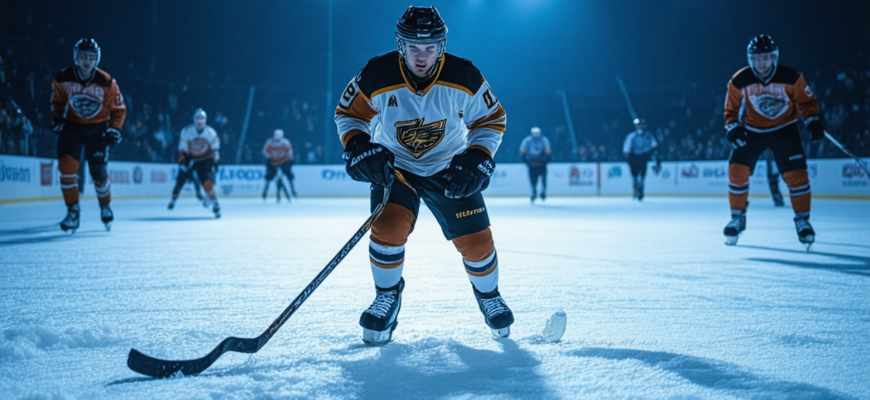
Hockey is a fast-paced, physically demanding sport that requires a combination of skill, strategy, and teamwork. For amateur players looking to improve their game, understanding the fundamentals of positioning is essential. Proper positioning not only enhances individual performance but also contributes significantly to overall team success. This comprehensive guide delves into the key principles of hockey positioning, offering practical tips and strategies tailored for recreational players eager to elevate their game.
- Understanding the Importance of Positioning in Hockey
- Core Principles of Hockey Positioning
- 1. The Balance Between Attack and Defense
- 2. Proper Spacing and Coverage
- 3. Anticipation and Readiness
- 4. Support and Communication
- Fundamental Positional Strategies for Different Playing Roles
- 1. Forward (Center and Wingers)
- 2. Defensemen
- 3. Goalie
- Offensive Positioning Techniques
- 1. Creating Shooting Lanes
- 2. Supporting the Puck Carrier
- 3. Cycling the Puck
- Defensive Positioning Techniques
- 1. The Stay-Back Principle
- 2. Gap Control
- 3. Covering Passing Lanes
- Key Drills to Improve Positioning
- 1. Shadowing Drills
- 2. Zone Coverage Exercises
- 3. Breakout and Transition Drills
- Common Mistakes in Positioning and How to Avoid Them
- Advanced Tips for Amateur Players
- 1. Study Opponent Tendencies
- 2. Use Visual Aids and Video Analysis
- 3. Improve Core Strength and Balance
- Summary and Final Thoughts
Understanding the Importance of Positioning in Hockey
Positioning in hockey refers to the strategic placement and movement of players on the ice. Good positioning allows players to defend effectively, create scoring opportunities, and minimize gaps that opponents can exploit. For amateur players, mastering positioning can bridge the gap between basic skills and advanced gameplay, leading to more confident and effective performance in matches.
Proper positioning helps in:
- Maintaining defensive stability
- Creating offensive chances
- Reducing opponents’ scoring options
- Enhancing overall game awareness
Core Principles of Hockey Positioning
1. The Balance Between Attack and Defense
Effective hockey positioning hinges on maintaining a balance between offensive drives and defensive responsibilities. Players must adapt their positioning based on the game situation, ensuring they support teammates while safeguarding their own goal.
2. Proper Spacing and Coverage
Players should avoid cluster formations that leave gaps or overcrowding. Proper spacing ensures optimal coverage of the ice, making it harder for opponents to penetrate defensive lines or find open shooting lanes.
3. Anticipation and Readiness
Anticipating opponents’ moves and being mentally prepared allows players to position themselves proactively rather than reactively, leading to more effective plays and interceptions.
4. Support and Communication
Good positioning is complemented by constant communication among teammates. Verbal cues and visual signals help players adjust their positions dynamically during fast-paced gameplay.
Fundamental Positional Strategies for Different Playing Roles
1. Forward (Center and Wingers)
Forwards are primarily responsible for creating scoring opportunities and applying offensive pressure. Their positioning involves:
- Centers: Typically positioned in the middle of the ice, centers need to oversee both offense and defense. They should maintain proximity to the puck, support wingers, and cover defensive zones when necessary.
- Wingers: Positioned along the sides, wingers focus on providing width in attack, supporting the center, and swiftly transitioning between offensive and defensive roles.
2. Defensemen
Defensemen play a crucial role in preventing goals and supporting the goalie. Key positioning tips include:
- Staying close to the blue line to challenge offensive entries
- Maintaining a position that allows quick transition to offense
- Providing a shield in front of the goalie
- Covering opposing forwards in their zone
3. Goalie
The goalie’s positioning involves staying centered in the crease, ready to react to shots. They should focus on:
- Positioning themselves to cover the angles of incoming shots
- Adjusting stance based on puck location
- Communicating with defensemen to organize defensive coverage
Offensive Positioning Techniques
1. Creating Shooting Lanes
Maintaining proper positioning helps players find clear shots at the goal. This involves:
- Controlling puck movement to open passing or shooting options
- Maneuvering into open space away from defenders
- Using quick passes to destabilize defense
2. Supporting the Puck Carrier
Effective offensive positioning involves supporting the player with the puck by:
- Being ready to receive a pass
- Creating passing lanes
- Drawing defenders away to open space
3. Cycling the Puck
This technique involves players moving the puck around the offensive zone in a controlled manner, maintaining good spacing to create scoring opportunities. Proper cycling relies on synchronized movement and positioning to sustain pressure.
Defensive Positioning Techniques
1. The Stay-Back Principle
Defensemen must avoid rushing excessively forward, instead maintaining their zone integrity while looking for opportunities to join the attack when appropriate.
2. Gap Control
This involves keeping an appropriate distance from the opposing forward with the puck, minimizing their options and preventing dangerous plays. The general formula for gap control can be summarized as:
| Player Speed | Opposing Player Speed | Optimal Gap Distance |
|---|---|---|
| Moderate | Moderate | 1–2 meters |
| Fast | Fast | 2–3 meters |
| Slow | Fast | 1 meter or less |
3. Covering Passing Lanes
Defenders should position themselves to block passing lanes, making it difficult for the puck carrier to find open teammates. This involves understanding opponents’ tendencies and anticipating plays.
Key Drills to Improve Positioning
1. Shadowing Drills
- Purpose: Improve awareness and reaction time
- Description: Players track a teammate or puck carrier, maintaining proper distance and adjusting positioning based on movement
2. Zone Coverage Exercises
- Purpose: Practice maintaining zone integrity during gameplay
- Description: Simulated offensive runs against defenders, emphasizing proper spacing and gap control
3. Breakout and Transition Drills
- Purpose: Enhance quick, coordinated movement from defense to offense
- Description: Emphasizes quick passes and positional awareness during defensive exits and offensive entries
Common Mistakes in Positioning and How to Avoid Them
- Overcommitting: Rushing into offensive zones can leave defensive gaps. Maintain discipline and wait for appropriate moments to advance.
- Getting Too Far Forward: Defensemen who push aggressively too early may leave gaps at the blue line. Stay aware of game situations.
- Ignoring Communication: Poor communication leads to confusion and missed assignments. Constantly call out opponents’ positions and intentions.
- Failing to Shift Properly: Static positioning allows opponents to exploit uncovered spaces. Always be ready to shift and support teammates.
Advanced Tips for Amateur Players
1. Study Opponent Tendencies
Pay attention to opponents’ preferred moves, shooting spots, and passing habits. This knowledge helps anticipate plays and improve positioning decisions.
2. Use Visual Aids and Video Analysis
Recording games and analyzing positioning errors provides insights and opportunities for improvement. Observe your positioning and compare it with ideal examples.
3. Improve Core Strength and Balance
Physical conditioning enhances stability on the ice, allowing for quicker and more precise adjustments of positioning during gameplay.
Summary and Final Thoughts
In hockey, the art of positioning is fundamental to both individual brilliance and team coordination. For amateur players, investing time in understanding and practicing proper positioning techniques yields substantial improvements on the ice. Awareness, anticipation, communication, and disciplined execution form the backbone of effective hockey positioning. As players progress, these fundamentals enable the development of more advanced tactics, ultimately leading to a more enjoyable and successful hockey experience.
Whether in offense or defense, nurturing a strong sense of positioning transforms the game from basic skills to strategic mastery, paving the way for players to reach their full potential on the ice.
Похожие записи:
 Mastering the Ice: Essential Defensive Positioning Strategies in Hockey for Amateurs
  Mastering the Basics of Hockey: Essential Rules and Safety Tips for Beginners
  Mastering the Basics: Introduction to Offsides and Icing Rules in Hockey for Amateurs
  Mastering Basic Body Positioning and Stance in Hockey: A Guide for Beginners
  Mastering Fast Reflexes: Unlock Your Potential as a Hockey Goaltender
  Essential Offensive Strategies in Hockey for Amateur Players
  Basic Strategies for Beginner Hockey Players: A Complete Guide for Amateur Enthusiasts
  Mastering the Fundamentals of Puck Retrieval and Chase in Hockey: Essential Skills for Amateur Players
  Mastering the Basics: Wrist Shot and Slap Shot Techniques in Hockey for Amateurs
  Mastering Puck Possession: Essential Techniques for Amateur Hockey Players
  Effective Offensive Strategies to Break Through Defensive Lines in Hockey
  Mastering the Art of Anticipation: How Amateur Hockey Players Can Predict Opponents’ Moves
  Mastering the Art of Following a Hockey Game’s Flow: Essential Tips for Amateur Players to Improve Awareness
  Mastering Power Plays and Penalty Kill Tactics for Amateur Hockey Teams
  Mastering Faceoff Techniques: The Key to Gaining Puck Control in Hockey
  How to Avoid Common Hockey Penalties: Expert Tips for Amateur Players