
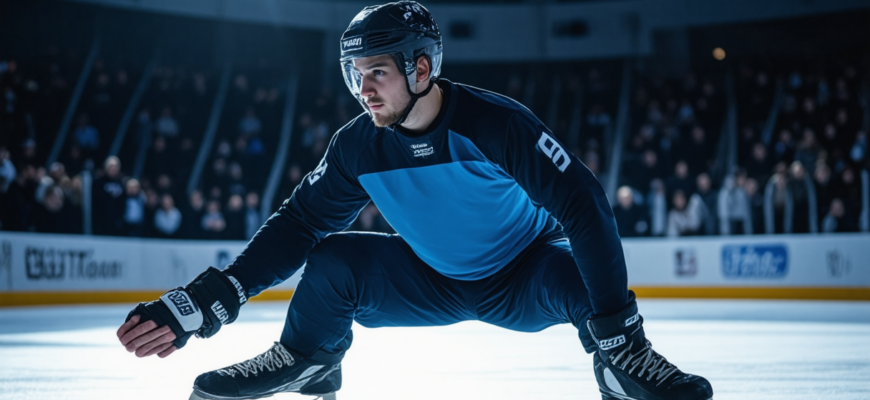
Hockey is a fast-paced, physically demanding sport that requires a unique combination of strength, agility, precision, and mental sharpness. For amateur players seeking to elevate their game, incorporating complementary training methods can make a significant difference. Among these, yoga stands out as a highly effective practice that enhances both physical flexibility and mental focus. This comprehensive guide explores the numerous benefits of yoga tailored specifically for hockey players, providing insights into how this ancient discipline can become a vital component of a successful training routine.
- The Importance of Flexibility and Mental Focus in Hockey
- How Yoga Benefits Hockey Players
- Physical Benefits
- Mental Benefits
- Key Yoga Poses for Enhancing Flexibility and Focus in Hockey
- 1. Downward Dog (Adho Mukha Svanasana)
- 2. Warrior II (Virabhadrasana II)
- 3. Triangle Pose (Trikonasana)
- 4. Pigeon Pose (Eka Pada Rajakapotasana)
- 5. Seated Meditation and Breath Control Techniques
- How to Incorporate Yoga into a Hockey Training Routine
- Frequency and Duration
- Warm-Up and Cool-Down
- Sample Weekly Yoga Routine
- Scientific Research Supporting Yoga for Athletic Performance
- Additional Tips for Amateur Hockey Players Incorporating Yoga
- Start Your Yoga Journey Today
The Importance of Flexibility and Mental Focus in Hockey
Effective hockey play depends on more than just raw power; it hinges on a blend of flexible movements and sharp mental acuity. Flexibility allows players to maneuver more efficiently, avoid injuries, and perform complex moves like sharp turns and quick sprints. At the same time, mental focus ensures that players stay aware of game dynamics, make quick decisions, and maintain composure under pressure.
By improving flexibility and mental focus, hockey players not only enhance their individual performances but also contribute significantly to their team’s overall success. Yoga, with its emphasis on mindful movement and breath control, offers a holistic approach to developing these critical skills.
How Yoga Benefits Hockey Players
Physical Benefits
Yoga enhances physical attributes essential to hockey, such as flexibility, strength, stability, and endurance. Some of the specific benefits include:
- Increased Flexibility: Improves range of motion in hips, hamstrings, shoulders, and back, resulting in more agile movements.
- Enhanced Core Strength: Supports better balance and stability during skating and puck control.
- Reduced Injury Risk: Flexible muscles and strengthened tissues are less prone to strains and sprains.
- Better Posture and Alignment: Supports efficient skating posture, reducing fatigue and discomfort.
Mental Benefits
Beyond the physical, yoga also cultivates mental resilience necessary for high-pressure situations in hockey games. These benefits include:
- Improved Concentration: Focused breathing and meditation techniques help sharpen attention.
- Stress Reduction: Diminishes anxiety, allowing players to perform calmly under stress.
- Enhanced Body Awareness: Helps players understand their physical limits and optimize movements.
- Better Breath Control: Improves stamina and endurance during long periods of play.
Key Yoga Poses for Enhancing Flexibility and Focus in Hockey
Incorporating specific yoga poses into a training routine can target the muscles and mental skills most relevant to hockey performance. Below are some essential poses along with their benefits and execution tips.
1. Downward Dog (Adho Mukha Svanasana)
This fundamental pose strengthens the shoulders, hamstrings, calves, and back while promoting overall flexibility.
- Begin on hands and knees, hands shoulder-width apart.
- Lift hips toward the ceiling, straightening legs and arms to form an inverted “V” shape.
- Keep head between upper arms, gaze toward the navel or legs.
- Hold for 5–10 breaths, feeling the elongation along your back and legs.
2. Warrior II (Virabhadrasana II)
This pose builds lower body strength, stability, and focus — crucial for powerful skating strides.
- Stand with feet wide apart, turn right foot out 90°, left foot slightly inward.
- Bend the right knee to a 90° angle, keeping the knee above ankle.
- Extend arms parallel to the ground, gaze over the right hand.
- Hold for 5 breaths, then switch sides.
3. Triangle Pose (Trikonasana)
This pose increases flexibility in the hips, hamstrings, and spine, enhancing lateral movements.
- Stand with feet wide apart, turn right foot out 90°, left foot slightly in.
- Reach forward with the right hand, then tilt down to touch the shin, ankle, or floor.
- Extend the left arm upward, gaze to the top hand.
- Hold for 5 breaths, repeat on the other side.
4. Pigeon Pose (Eka Pada Rajakapotasana)
This deep hip opener boosts flexibility in the hips and groin, facilitating better skating posture and agility.
- Start in a plank position, bring one knee forward, placing it behind the hands.
- Extend the other leg back, lowering hips toward the floor.
- Fold forward or stay upright for a stretch.
- Hold for 5–10 breaths, then switch sides.
5. Seated Meditation and Breath Control Techniques
To develop mental focus, incorporating meditation and breathing exercises is vital:
- Mindful Breathing: Sit comfortably, focus on inhales and exhales, counting breaths.
- Box Breathing: Inhale for 4 seconds, hold for 4 seconds, exhale for 4 seconds, hold for 4 seconds, then repeat.
- Guided Meditation: Use visualization or body scan techniques to improve concentration.
How to Incorporate Yoga into a Hockey Training Routine
To maximize benefits, yoga should be integrated thoughtfully into training schedules. Here are some guidelines:
Frequency and Duration
For amateur hockey players, practicing yoga 2-3 times per week yields optimal results. Each session should last between 30 and 60 minutes, including warm-up, main poses, and cool-down.
Warm-Up and Cool-Down
- Begin with light cardio or dynamic stretching to prepare muscles.
- Follow with targeted yoga poses for flexibility and mental focus.
- End with relaxation poses like Savasana to consolidate benefits.
Sample Weekly Yoga Routine
| Day | Focus | Key Poses |
|---|---|---|
| Monday | Flexibility & Strength | Downward Dog, Warrior II, Triangle Pose |
| Wednesday | Hip Opening & Balance | Pigeon Pose, Tree Pose |
| Friday | Focus & Relaxation | Meditation, Breathing Exercises, Cobra Pose |
Scientific Research Supporting Yoga for Athletic Performance
Numerous studies highlight the positive impact of yoga on athletic performance. Benefits documented include increased flexibility, lowered injury rates, enhanced focus, and improved breathing efficiency. For example, a 2017 study published in the Journal of Sports Science & Medicine demonstrated that amateur athletes who incorporated yoga improved their range of motion by approximately 15% over six weeks. Similarly, multiple research efforts emphasize yoga’s role in reducing stress and improving concentration, both critical for high-stakes gameplay.
Additional Tips for Amateur Hockey Players Incorporating Yoga
- Consistency is Key: Regular practice yields the best results over time.
- Listen to Your Body: Avoid pushing into pain; modify poses as needed.
- Combine with Strength Training: Yoga complements weight and resistance training.
- Stay Hydrated and Rested: Proper recovery enhances flexibility and focus gains.
- Seek Guidance: Consult with a certified yoga instructor, especially when trying new or advanced poses.
Incorporating yoga into an amateur hockey training regimen offers a holistic approach to improving flexibility, strength, stability, and mental focus. These attributes are vital for elevating individual performance and reducing injury risk on the ice. By adopting specific yoga poses, breathing practices, and establishing consistent routines, hockey enthusiasts can unlock their full potential. Ultimately, yoga serves not just as a physical practice but as a mental discipline that cultivates resilience, concentration, and calmness—qualities that directly translate into more confident and effective hockey play.
Start Your Yoga Journey Today
Embrace the benefits of yoga designed specifically for hockey players, and watch your game transform. Incorporate these practices into your weekly schedule, stay dedicated, and experience the difference that enhanced flexibility and focus can make on the ice.
Похожие записи:
 Ultimate Guide: How to Fit Your Hockey Skates Correctly for Peak Performance
  Mastering Concentration: Proven Tips to Maintain Mental Focus During Hockey Games
  Off-Ice Strength Training Exercises for Amateur Hockey Fans: Boost Your Performance Off the Ice
  The Critical Role of Core Strength in Enhancing Hockey Performance
  Unbreakable Mind: Mental Toughness Exercises for Amateur Hockey Fans
  Must-Have Gloves for Amateur Hockey Enthusiasts: Essential Protection and Performance
  Effective Breathing Exercises to Boost Stamina During Hockey Games
  Effective Warm-up and Cool-down Routines for Amateur Hockey Players: Maximize Performance and Minimize Injuries
  Incorporating Plyometric Exercises into Your Hockey Fitness Plan: Boost Your Performance
  Positioning Basics for Amateur Hockey Players: Unlocking Your Potential on the Ice
  The Crucial Role of Fitness and Strength in Hockey Performance
  Mastering Edge Control: Essential Training Drills for Hockey Enthusiasts
  Speed Drills to Enhance Your On-Ice Performance in Hockey: A Comprehensive Guide for Amateurs
  Mastering Faceoff Techniques: A Comprehensive Guide for Amateur Hockey Enthusiasts
  Mastering Body Checks and Staying Safe on the Ice: An Essential Guide for Amateur Hockey Enthusiasts
  Mastering Proper Hockey Stick Use: Tips to Enhance Performance and Prevent Injuries