
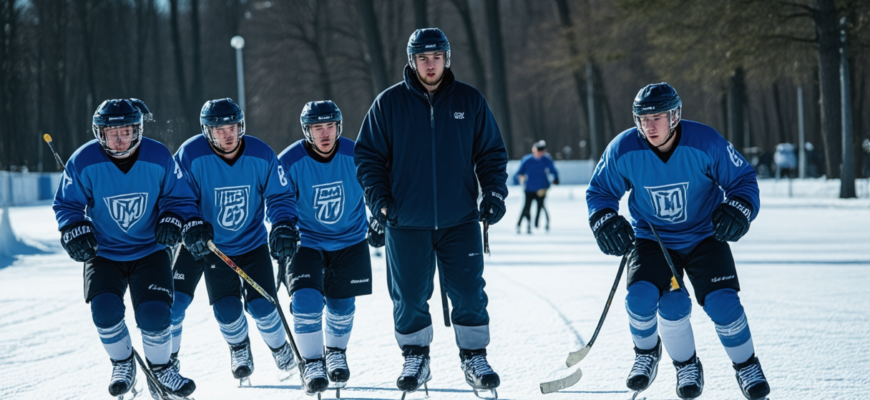
Hockey is a physically demanding sport that requires intense conditioning, skill development, and mental resilience. For amateur players striving to improve their game, the line between effective training and overexertion can sometimes become blurred. Overtraining and burnout not only hinder progress but also significantly increase the risk of injuries and long-term health issues. This comprehensive guide explores the causes of overtraining, signs of burnout, and practical strategies to maintain a healthy, sustainable training regimen for hockey enthusiasts of all levels.
- Understanding Overtraining and Burnout in Hockey
- What is Overtraining?
- What is Burnout?
- Signs and Symptoms of Overtraining and Burnout
- Physical Signs
- Psychological Signs
- Key Factors Contributing to Overtraining and Burnout
- Strategies to Prevent Overtraining and Burnout
- 1. Establish a Balanced Training Program
- Principles of Periodization
- 2. Incorporate Adequate Rest and Recovery
- Active Recovery Options
- 3. Listen to Your Body
- 4. Set Realistic Goals
- 5. Prioritize Nutrition and Hydration
- 6. Incorporate Cross-Training
- 7. Manage Stress and Mental Fatigue
- 8. Regularly Vary Training Intensity
- Practical Training Schedule Example for Amateur Hockey Players
- The Role of Coaches and Peers in Preventing Overtraining
- Utilizing Technology for Monitoring and Prevention
Understanding Overtraining and Burnout in Hockey
What is Overtraining?
Overtraining occurs when the volume and intensity of training exceed the body’s ability to recover, leading to a state of chronic fatigue, decreased performance, and increased susceptibility to injuries. Unlike overexertion, which is temporary and manageable, overtraining affects physiological and psychological systems and may take weeks or even months to recover from if not properly addressed.
What is Burnout?
Burnout is a psychological state characterized by emotional exhaustion, reduced achievement motivation, and feelings of depersonalization or detachment from the sport. It is often a result of prolonged stress, excessive training, or lack of motivation, and can significantly impair an athlete’s performance and love for the game.
Signs and Symptoms of Overtraining and Burnout
Recognizing early signs is crucial to prevent long-term negative effects. Below are common indicators:
Physical Signs
- Persistent fatigue even after resting
- Decreased strength and endurance
- Increased incidence of injuries
- Disrupted sleep patterns
- Frequent illnesses or infections
Psychological Signs
- Lack of motivation or enthusiasm for training
- Irritability or mood swings
- Difficulty concentrating
- Feelings of depression or hopelessness
- Decreased confidence in performance
Key Factors Contributing to Overtraining and Burnout
Several elements may lead amateur hockey players toward overtraining, including:
- Intense or excessive training schedules without proper rest
- Neglecting phases of recovery and active rest
- Failure to listen to bodily signals
- High-pressure environment or self-imposed expectations
- Lack of variety in training routines leading to mental fatigue
- Insufficient nutrition and hydration to support training demands
Strategies to Prevent Overtraining and Burnout
1. Establish a Balanced Training Program
Creating a well-structured training plan is vital. It should include a mix of skill drills, conditioning, strength training, and rest periods. The principle of periodization — dividing training into cycles with specific goals and recovery phases — helps prevent overexertion and promotes consistent progress.
Principles of Periodization
- Macrocycles: Overall training period, usually 6–12 months.
- Mesocycles: Subdivisions within macrocycles focused on specific goals (e.g., endurance, strength).
- Microcycles: Weekly or daily training segments tailored to current focus areas.
2. Incorporate Adequate Rest and Recovery
Recovery is as important as training itself. Adequate sleep, rest days, and active recovery sessions help the body repair tissues, replenish energy stores, and prevent fatigue buildup. Ignoring recovery increases the risk of overtraining.
Active Recovery Options
- Light skating or recreational activities
- Stretching and mobility exercises
- Foam rolling and massage techniques
3. Listen to Your Body
Monitoring physical and psychological signals can prevent overtraining. Athletes should pay attention to persistent soreness, declining performance, mood changes, or sleep disturbances, adjusting their training accordingly.
4. Set Realistic Goals
Having clear, attainable goals helps maintain motivation without undue pressure. Unrealistic expectations can lead to frustration and burnout, whereas incremental success fosters confidence and enjoyment.
5. Prioritize Nutrition and Hydration
Proper nutrition supplies the necessary energy and nutrients for recovery and performance. Emphasize a balanced diet rich in carbohydrates, proteins, healthy fats, vitamins, and minerals. Hydration is equally critical, especially during intensive training sessions.
6. Incorporate Cross-Training
Cross-training diversifies physical stressors and reduces repetitive strain on specific muscle groups. Engaging in activities such as cycling, swimming, or yoga can promote overall fitness and mental freshness.
7. Manage Stress and Mental Fatigue
Psychological stress can exacerbate physical exhaustion. Techniques such as mindfulness, mental imagery, and sports psychology strategies support mental resilience amid training demands.
8. Regularly Vary Training Intensity
Following the “light, moderate, heavy” approach ensures that athletes fluctuate training intensity to allow adaptation and recovery. Avoiding consecutive days of high-intensity sessions prevents accumulated fatigue.
Practical Training Schedule Example for Amateur Hockey Players
Most effective training programs blend skill, conditioning, rest, and recovery. Here is a sample weekly schedule:
| Day | Focus | Details |
|---|---|---|
| Monday | Skill Practice & Light Conditioning | Drills, puck handling, skating technique, light cardio |
| Tuesday | Strength & Power Training | Weight training, plyometrics, core exercises |
| Wednesday | Active Rest / Mobility | Stretching, yoga, foam rolling |
| Thursday | High-Intensity Interval Training (HIIT) | Quick bursts of intense skating or running with rest intervals |
| Friday | Strategy & Video Review | Tactical training, reviewing game footage |
| Saturday | Game Simulation / Practice | Full or part-game scenarios, competitive drills |
| Sunday | Rest | Complete rest or light activity |
The Role of Coaches and Peers in Preventing Overtraining
While amateur players often train on their own or with friends, the guidance of coaches or experienced peers can be instrumental. They can help monitor training load, provide objective feedback, and encourage appropriate rest periods. Establishing open communication about fatigue and motivation levels is essential for a sustainable training process.
Utilizing Technology for Monitoring and Prevention
Modern tools and applications enable athletes to track training volume, heart rate, sleep patterns, and recovery status. Wearable devices provide real-time data, facilitating informed decisions and timely adjustments to prevent overtraining.
Preventing overtraining and burnout in hockey training is crucial for maintaining long-term enjoyment, health, and performance. By establishing a balanced training regimen, prioritizing recovery, listening to the body’s signals, and integrating mental health practices, amateur players can enjoy continuous progress without risking their physical or psychological well-being. Remember, the key to thriving in hockey is sustainable training — quality always outweighs quantity.
Adhering to these strategies enables players not only to improve their game but also to foster a lifelong love for hockey, ensuring that the sport remains a source of joy rather than a cause of stress or injury.
Похожие записи:
 The Critical Role of Rest and Recovery in Amateur Hockey Success
  Mastering Consistency: Proven Strategies to Stay Motivated and Improve in Hockey for Amateurs
  Off-Ice Strength Training Exercises for Amateur Hockey Fans: Boost Your Performance Off the Ice
  Mastering the Art of Puck Recovery: Strategies for Effective Play in Amateur Hockey
  Nutrition Strategies to Optimize Muscle Recovery for Amateur Hockey Players
  Effective Breathing Exercises to Boost Stamina During Hockey Games
  Effective Warm-up and Cool-down Routines for Amateur Hockey Players: Maximize Performance and Minimize Injuries
  Mastering Hockey Skills: A Comprehensive Guide to Creating an Effective Personal Practice Routine for Faster Improvement
  Effective Offensive Strategies to Break Through Defensive Lines in Hockey
  Effective Wing and Center Play Strategies for Offense in Hockey: Simplified Tactics for Amateurs
  Mastering Offensive Strategies: How to Plan Effective Attacks and Maintain Possession in Hockey for Amateurs
  Mastering Power Play: Essential Strategies for Effective Hockey Performance
  Effective Tips for Preventing Common Hockey Injuries: A Guide for Amateur Players
  Mastering Proper Hockey Stick Use: Tips to Enhance Performance and Prevent Injuries
  Mastering Edge Control: Essential Training Drills for Hockey Enthusiasts
  Simple Ways to Build Stamina for Hockey: The Ultimate Guide for Amateur Players