
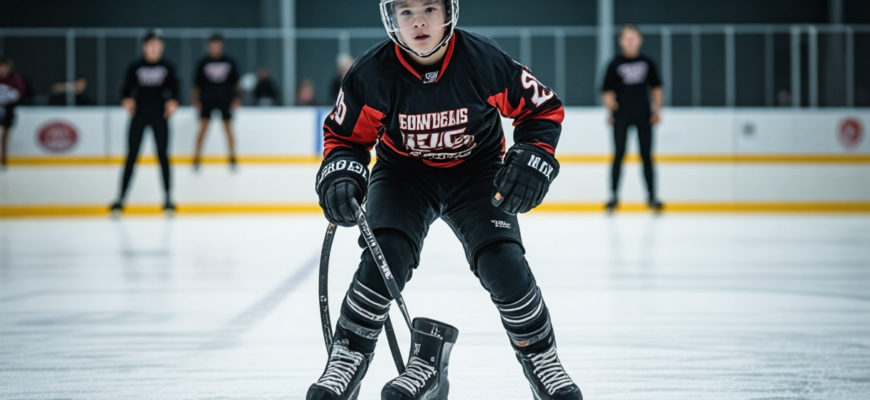
Hockey is a fast-paced, exhilarating sport that demands a unique combination of speed, agility, and precise skating skills. For beginners stepping onto the ice for the first time, developing fundamental skating techniques is crucial for not only enjoying the game but also ensuring safety and building a solid foundation for future skills. This comprehensive guide explores the basic hockey skating techniques every novice should master, providing step-by-step instructions, helpful tips, and practical exercises to accelerate learning.
- Understanding the Importance of Proper Skating Technique
- Essential Equipment for Beginners
- Basic Hockey Skating Techniques
- 1. Stance and Balance
- 2. Forward Skating Technique
- 3. Gliding and Stopping
- Gliding:
- Stopping Techniques:
- 4. Turning and Changing Direction
- Advanced Techniques for Developing Speed and Agility
- 1. Cross-Over Skating
- 2. Edging and Weight Transfer
- Common Mistakes and How to Avoid Them
- Effective Practice Drills for Beginners
- Tips for Accelerating Learning
- Safety Considerations for Beginner Skaters
Understanding the Importance of Proper Skating Technique
In ice hockey, skating is more than just moving on ice; it’s the backbone of the game. Proper technique allows players to accelerate quickly, change directions seamlessly, and maintain balance under pressure. Moreover, efficient skating conserves energy, enabling players to stay active and impactful throughout the game. Without mastering fundamental techniques, players often find themselves fatigued and limited on the ice, which can hinder their overall performance.
Essential Equipment for Beginners
Before diving into skating techniques, it’s essential to ensure you have the right equipment to facilitate safe and effective learning:
- Hockey skates: Well-fitted and sharpened skates provide optimal control and comfort.
- Protective gear: Includes helmet, gloves, padding, and elbow/knee guards.
- Clothing: Wear layers that allow movement and keep you warm.
Proper equipment not only enhances safety but can significantly influence your ability to skate confidently and correctly.
Basic Hockey Skating Techniques
1. Stance and Balance
Every successful skate begins with a proper stance. The correct hockey stance provides stability, allows quick movement, and helps maintain control on the ice. Key points include:
- Stand with your knees slightly bent, about shoulder-width apart.
- Keep your weight centered over the balls of your feet.
- Hold your arms slightly out to the sides for balance.
- Maintain a relaxed posture; stiff muscles hamper movement.
Practicing maintaining this stance helps build muscle memory and improves overall balance, which is vital in all skating movements.
2. Forward Skating Technique
Forward skating is fundamental for most in-game movements. Here’s how to master the technique:
- Push-off: Push off with one foot while gliding on the other.
- Stride: Extend your leg forward and push against the ice, engaging your core and hips.
- Recovery: Bring your foot back to the starting position under your body.
- Repeat: Alternate legs smoothly to build a consistent stride.
To increase speed, focus on lengthening your stride and pushing off more forcefully, but always maintain control and balance. Practice this movement on a straight line to develop rhythm and coordination.
3. Gliding and Stopping
Gliding is essential for maintaining speed and transitioning between strides, while stopping is critical for safety and game control.
Gliding:
- Push off with one foot and glide on both skates, keeping knees bent.
- Maintain a low center of gravity for better balance.
- Use your arms to help balance, swinging naturally as you glide.
Stopping Techniques:
There are several stopping methods, but for beginners, the most common is the T-stop and Hockey Stop.
- T-stop: Push one skate perpendicular to the other, forming a “T” shape, and gradually flatten the blades against the ice to reduce speed.
- Hockey Stop: While gliding, turn your skates perpendicular to your direction of travel and dig the edges into the ice to come to a stop quickly.
Practicing these stopping techniques improves control and safety. Start slow and gradually increase speed as comfort grows.
4. Turning and Changing Direction
Effective turning allows players to navigate the ice efficiently and evade opponents. The main techniques include:
- C-Cuts: Small, tight turns where the skater constricts their stride into a ‘C’ shape.
- Slalom: Alternating quick turns around cones or markers to develop agility.
- S continued edge turns: Engaging the inside or outside edge of the skate for sharper turns.
Practicing turning exercises, such as weaving through cones, enhances agility and confidence in changing directions quickly.
Advanced Techniques for Developing Speed and Agility
Once foundational skills are comfortable, players can begin refining techniques that add speed and agility:
1. Cross-Over Skating
This technique involves crossing one skate over the other during turns, allowing for high-speed cornering and increased propulsion.
- Start by skating forward, then shift your weight to the outside skate during a turn.
- Cross the inside skate over the outside skate, maintaining a low stance.
- Push off strongly with both skates to accelerate out of the turn.
2. Edging and Weight Transfer
Mastering edge control enhances sharp turns and stops. Focusing on weight transfer between inside and outside edges is key:
| Technique | Purpose | Execution Tips |
|---|---|---|
| Inside Edge | For tight turns and agile maneuvers | Lean your body inward and apply pressure to the inside edge of your skate. |
| Outside Edge | For stability and power during strides | Distribute your weight onto the outside edge, especially during stops or sharp turns. |
Practicing edge drills on both feet improves overall control and quickness.
Common Mistakes and How to Avoid Them
Beginners often make certain errors that hinder progress and may cause injury. Recognizing and correcting these is crucial:
- Overextending the knees: This makes balance difficult. Keep knees slightly bent and relaxed.
- Stiff posture: Relax your body to allow fluid movements.
- Pushing straight back: Instead, push diagonally outward to generate more power.
- Ignoring proper stopping technique: Practice stops frequently to prevent accidents.
- Trying advanced moves too early: Focus on mastering basic skills before progressing.
Effective Practice Drills for Beginners
Consistent practice is essential for skill development. Here are some drills suited for beginners:
- Balance Drill: Stand on one foot for 30 seconds on each skate to improve stability.
- Straight Line Skating: Push forward in a straight line for as long as possible, focus on smooth strides.
- Stopping Practice: Repeatedly practice stops from various speeds.
- Turning Around Cones: Use cones to practice tight turns and agility.
- Cross-Over Drills: Practice cross-overs around markers to develop speed in corners.
Tips for Accelerating Learning
- Consistent practice: Even 15-30 minutes daily can lead to rapid improvement.
- Work with a coach or mentor: Feedback accelerates skill development.
- Observe professionals: Watching experienced players provides visual cues for correct technique.
- Use video analysis: Record your skating to identify areas for improvement.
- Stay patient and persistent: Progress takes time; celebrate small victories along the way.
Safety Considerations for Beginner Skaters
Prioritizing safety ensures a positive experience and prevents injuries:
- Always wear protective gear and ensure it fits well.
- Warm up before skating to loosen muscles.
- Stay aware of your surroundings, especially in busy rinks.
- Avoid skating on uneven or damaged ice surfaces.
- Learn and practice fall techniques to minimize injury risk.
Mastering the basics of hockey skating is an essential step for any amateur player eager to improve and enjoy the sport fully. While it may seem challenging at first, consistent practice, proper technique, and patience can significantly accelerate progress. Focusing on fundamental skills such as stance, stride, stopping, and turning creates a strong foundation that allows players to tackle more advanced techniques down the line. Whether for recreational enjoyment or aspiring to join a local team, developing solid skating skills unlocks a world of possibilities on the ice and enhances overall hockey performance.
Remember, every professional skater started with basic moves. With dedication and the right approach, anyone can become a confident and capable hockey skater. Lace up those skates and begin your journey towards mastering the ice!
Похожие записи:
 Mastering the Ice: Basic Skating Techniques Every New Hockey Player Must Know
  Mastering Hockey Stick Handling: Essential Techniques for Beginners
  Mastering the Art of Effective Ice Stops: Essential Techniques for Amateur Hockey Players
  Introductory Power Skating Exercises: Essential Skills for Aspiring Hockey Players
  Mastering Speed and Control in Skating: The Ultimate Guide for Amateur Hockey Players
  Mastering Puck Possession: Essential Techniques for Amateur Hockey Players
  Conquer Your First Ice Hockey Fears: Essential Tips for Beginners
  Mastering Balance and Stability: Essential Techniques for Amateur Hockey Players
  Mastering the Basics of Hockey: Essential Rules and Safety Tips for Beginners
  Essential Checking Techniques for Ensuring Safety in Amateur Hockey
  Building Confidence in Your Skating and Puck Skills: A Complete Guide for Amateur Hockey Players
  Mastering Faceoff Techniques: A Comprehensive Guide for Amateur Hockey Enthusiasts
  Mastering Faceoff Techniques: The Key to Gaining Puck Control in Hockey
  Mastering Basic Body Positioning and Stance in Hockey: A Guide for Beginners
  Mastering the Art of Shooting with a Stick in Hockey: The Ultimate Guide for Beginners
  Mastering Hockey Shooting Techniques from Different Angles: A Guide for Amateurs