
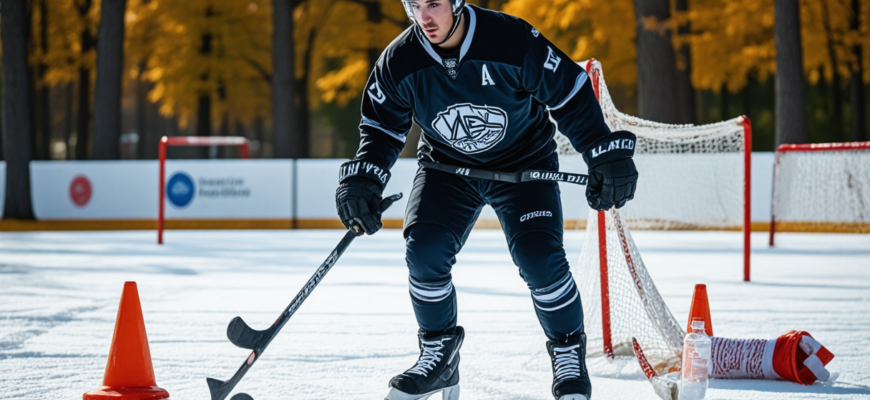
Hockey is a sport that demands a unique blend of strength, agility, endurance, and skill. While the competitive season may conclude, the drive to improve and stay in top shape should not diminish. For amateur enthusiasts and passionate fans alike, the off-season presents a golden opportunity to hone techniques, boost physical fitness, and prepare for the next season. This comprehensive guide explores effective off-season training routines tailored specifically for hockey fans eager to elevate their game. From physical conditioning to skill development, discover how to make the most of your off-season months.
- Understanding the Importance of Off-Season Training
- Core Components of an Effective Off-Season Hockey Training Program
- 1. Physical Conditioning
- 2. Technical Skill Development
- 3. Tactical and Mental Preparation
- 4. Nutrition and Recovery
- Sample Weekly Off-Season Routine for Hockey Fans
- Detailed Breakdown of Training Components
- Physical Conditioning
- Skating & Puck Skills
- Endurance Training
- Flexibility & Recovery
- Additional Tips for Effective Off-Season Training
- Sample Home Workout for Hockey Fans (No Equipment Needed)
- Warm-up (10 minutes)
- Main Workout
- Cool-down (10 minutes)
Understanding the Importance of Off-Season Training
Transitioning from the demanding season to an off-season period is crucial for maintaining and enhancing performance. Properly structured off-season routines:
- Prevent injuries by building strength and flexibility
- Improve endurance and aerobic capacity
- Refine technical skills such as skating, puck handling, and shooting
- Enhance mental resilience and game awareness
- Allow recovery from season fatigue, reducing the risk of burnout
Engaging in targeted off-season routines ensures that players are not only prepared physically but also intellectually and technically for the challenges of the upcoming season. For hockey enthusiasts, maintaining consistency and focus during this period can significantly impact performance when the new season begins.
Core Components of an Effective Off-Season Hockey Training Program
1. Physical Conditioning
Building a solid physical foundation is essential. This includes strength, endurance, speed, agility, and flexibility. Customized workouts should target the key muscle groups utilized in hockey, such as legs, core, shoulders, and arms.
2. Technical Skill Development
Refining skating techniques, shooting accuracy, passing precision, and puck control are vital skills. Off-season is an optimal time for focused practice without the pressure of competitive games.
3. Tactical and Mental Preparation
Studying game tactics, improving decision-making, visualization exercises, and mental resilience training help sharpen hockey IQ and psychological readiness.
4. Nutrition and Recovery
A balanced diet and proper recovery methods—including sleep, stretching, and active rest—are fundamental to sustain training progress and prevent injuries.
Sample Weekly Off-Season Routine for Hockey Fans
| Day | Focus | Activities | Duration |
|---|---|---|---|
| Monday | Strength & Power |
| 1.5 – 2 hours |
| Tuesday | Cardio & Endurance |
| 1 – 1.5 hours |
| Wednesday | Skating & Puck Skills |
| 2 hours |
| Thursday | Flexibility & Recovery |
| 1 hour |
| Friday | Agility & Speed |
| 1 – 1.5 hours |
| Saturday | Game Awareness & Mental Skills |
| 1 hour |
| Sunday | Active Rest | Light activity such as walking, leisure sports, or rest | Flexible |
Detailed Breakdown of Training Components
Physical Conditioning
The physical aspect of training is crucial for maintaining power and agility on ice. Strength training enhances muscular endurance and explosive power, enabling better acceleration and stability. Focus exercises include:
- Squats and lunges: Develop leg strength essential for skating and stability.
- Deadlifts: Strengthen the posterior chain, critical for powerful strides.
- Core work: Improve balance and rotational strength, key for puck handling and shooting.
Progressively increasing weights and repetitions over the off-season ensures continual gains while avoiding plateaus.
Skating & Puck Skills
While on-ice training may be limited during off-season, dryland exercises can simulate skating mechanics, emphasizing balance, speed, and edge control. Puck skills can be practiced with simple equipment—such as cones for drills, portable nets, and rebounders—allowing for technical refinement at home or in a gym.
Endurance Training
Hockey demands sustained aerobic capacity. High-Intensity Interval Training (HIIT) is ideal. It enhances cardiovascular health and prepares the player for the rapid shifts during the game. For example:
- 30 seconds sprint / 1-minute walk (repeat 8–10 times)
- Cycling sprints with short rests
Flexibility & Recovery
Flexibility reduces injury risk and improves overall mobility. Incorporate stretching routines post-workout and yoga sessions once or twice a week. Foam rolling helps alleviate muscle tightness, aiding faster recovery.
Additional Tips for Effective Off-Season Training
- Set Clear Goals: Define what skills or fitness levels you want to achieve.
- Maintain Consistency: Regular training beats sporadic efforts.
- Track Progress: Use training logs or apps to monitor improvements.
- Prioritize Nutrition: Consume balanced diets rich in proteins, carbohydrates, and healthy fats.
- Get Adequate Rest: Sleep and active recovery are vital to allow body adaptation.
- Seek Guidance: Consider coaching or professional advice for tailored routines.
Sample Home Workout for Hockey Fans (No Equipment Needed)
Warm-up (10 minutes)
- Jumping jacks
- High knees
- Leg swings
Main Workout
- Squats — 3 sets of 15 reps
- Push-ups — 3 sets of 12 reps
- Plank — hold for 1 minute, 3 times
- Lunges — 3 sets of 12 reps per leg
- Burpees — 3 sets of 10 reps
Cool-down (10 minutes)
- Stretching major muscle groups
- Deep breathing exercises
For hockey fans committed to improving their game during the off-season, implementing a comprehensive, well-structured training routine is essential. Combining physical conditioning, technical skill development, tactical understanding, and proper recovery not only enhances on-ice performance but also ensures long-term enjoyment and injury prevention. Remember that consistency, goal setting, and listening to your body are key elements to success. Embrace the off-season as a time for growth, and you will see tangible improvements that translate directly onto the ice.
With dedication and the right approach, every hockey enthusiast can turn the off-season into a powerful period of transformation and improvement—making the next season even more exciting and successful.
Похожие записи:
 Effective Warm-up and Cool-down Routines for Amateur Hockey Players: Maximize Performance and Minimize Injuries
  Off-Ice Strength Training Exercises for Amateur Hockey Fans: Boost Your Performance Off the Ice
  Effective Strategies to Prevent Overtraining and Burnout in Hockey Training
  Maximize Your Hockey Skills: Expert Video Analysis Tips to Elevate Your Technique
  Mastering Hockey Skills: A Comprehensive Guide to Creating an Effective Personal Practice Routine for Faster Improvement
  Unbreakable Mind: Mental Toughness Exercises for Amateur Hockey Fans
  Simple Drill Routines for Consistent Improvement in Hockey for Amateurs
  Mastering Puck Handling: How to Improve Your Hockey Skills at Home
  Effective Tips for Preventing Common Hockey Injuries: A Guide for Amateur Players
  The Crucial Role of Practice Drills in Enhancing Hockey Skills for Amateurs
  Mastering Edge Control: Essential Training Drills for Hockey Enthusiasts
  Introductory Power Skating Exercises: Essential Skills for Aspiring Hockey Players
  Effective Breathing Exercises to Boost Stamina During Hockey Games
  Mastering Recovery and Rebound Control: Essential Skills for Amateur Hockey Players
  Essential Hockey Drills to Elevate Your Skills at Home or During Practice
  Incorporating Fun Drills to Enhance Hockey Skills: A Guide for Amateur Players