
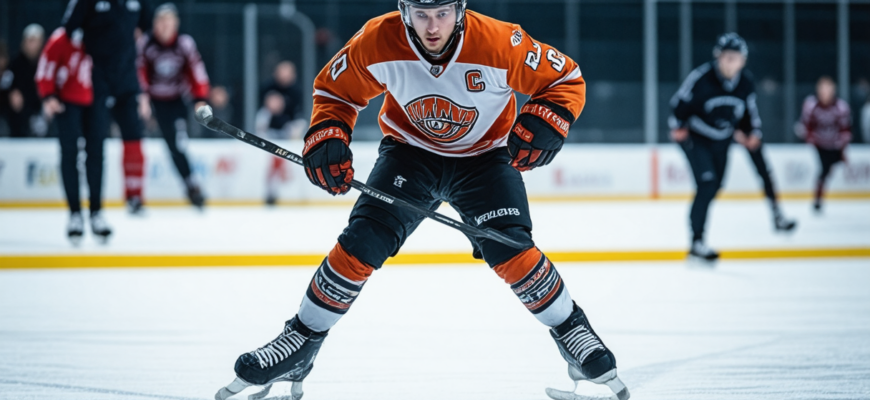
Skating speed is a critical aspect of performance for any hockey player, amateur or professional. Speed not only enhances a player’s ability to outrun opponents but also improves game dynamics, positioning, and overall effectiveness on the ice. However, increasing skating speed must be approached with caution to avoid injuries and ensure sustainable development. This comprehensive guide will explore proven methods, safety precautions, and training exercises to help amateur hockey enthusiasts boost their skating speed responsibly and effectively.
- Understanding the Foundations of Skating Speed
- What Affects Skating Speed?
- The Role of Technique in Speed Development
- Steps to Safely Increase Skating Speed
- 1. Assess and Improve Your Skating Technique
- Video Analysis and Coaching
- Focus Areas for Technique Improvement
- 2. Strength Training for Faster Skating
- Core and Leg Exercises
- Sample Weekly Strength Routine
- 3. Cardiovascular and Endurance Training
- Importance of Endurance
- Recommended Training Exercises
- Sample Interval Running Program
- 4. Enhancing Flexibility and Mobility
- Role of Flexibility
- Stretching Routine
- Sample Daily Stretching Regimen
- 5. Equipment Optimization
- Choosing the Right Skates
- Additional Gear Tips
- Safety Precautions When Increasing Your Skating Speed
- Sample Weekly Training Plan for Increasing Skating Speed
- Week Plan Overview
- Measuring Your Progress
- Combining Safety and Efficiency for Better Speed
- Additional Resources
Understanding the Foundations of Skating Speed
What Affects Skating Speed?
Several factors influence how fast a player can skate, including:
- Technique: Proper stride, balance, and body mechanics
- Strength: Leg and core muscle power
- Endurance: Cardiovascular fitness to sustain high speeds
- Equipment: Quality of skates and their fit
- Weight: Body weight management for optimal power-to-weight ratio
- Ice Conditions: Surface quality can facilitate or hinder speed
The Role of Technique in Speed Development
Proper skating technique is fundamental. Without it, attempting to increase speed can lead to inefficiency and injury. Fundamental technical elements include edge control, stride length, push-off power, and body posture. Mastering these basics ensures that efforts to accelerate are effective and sustainable.
Steps to Safely Increase Skating Speed
1. Assess and Improve Your Skating Technique
Video Analysis and Coaching
One of the most effective ways to identify technical flaws is through video recording and analysis. Amateur skaters can record their skating sessions and compare their technique against professional standards or consult a coach for assessments. Correcting minor issues such as body lean, knee bend, and arm movement can significantly enhance speed.
Focus Areas for Technique Improvement
- Edge Control: Mastering inside and outside edges enables better balance and push-off.
- Stride Length: Maximizing stride length while maintaining control reduces fatigue and increases speed.
- Push-Off Power: Pushing off with force from the toe pick or edge to generate momentum.
- Posture: Leaning slightly forward keeps the center of gravity low and improves propulsion.
- Arm Movement: Coordinated arm swing adds momentum giving an extra push with each stride.
2. Strength Training for Faster Skating
Core and Leg Exercises
Enhancing muscular strength in the legs and core is essential for powerful strides. Here are key exercises that can help:
- Squats: Building strength in quadriceps, hamstrings, and glutes.
- Lunges: Improving balance and unilateral strength.
- Deadlifts: Strengthening the posterior chain for overall power.
- Core Workouts: Planks, Russian twists, and leg raises to stabilize the torso.
Sample Weekly Strength Routine
| Day | Workout | Duration / Sets |
|---|---|---|
| Monday | Squats, Core Exercises | 3 sets of 12 reps / 3×30 sec planks |
| Wednesday | Lunges, Deadlifts | 3 sets of 10 reps / 3×30 sec Russian twists |
| Friday | Combination Day: Squats + Lunges + Core | Total 45 min |
3. Cardiovascular and Endurance Training
Importance of Endurance
High-speed skating demands significant cardiovascular endurance. Fatigue can drastically reduce performance and increase injury risk, so integrating cardio workouts ensures the body can sustain high speeds over more extended periods.
Recommended Training Exercises
- Interval Training: Alternating between sprints and rest periods to mimic game pace.
- On-Ice Sprints: Performing repeated short sprints over 10-20 meters with rest intervals.
- Off-Ice Cardio: Running, cycling, or rowing for endurance building.
Sample Interval Running Program
- Warm-up: 5 minutes jogging
- 30 seconds sprint / 1-minute walk or light jog (repeat 8-10 times)
- Cooldown: 5 minutes light jogging or walking
4. Enhancing Flexibility and Mobility
Role of Flexibility
Flexible muscles and joints allow for greater stride length and better edge control. Regular stretching decreases muscle stiffness and reduces injury chances.
Stretching Routine
- Hamstring stretch
- Quadriceps stretch
- Hip flexor stretch
- Groin stretch
- Lower back stretch
Sample Daily Stretching Regimen
Hold each stretch for 20-30 seconds, repeat twice daily:
- Hamstring stretch
- Quadriceps stretch
- Hip flexor stretch
- Groin stretch
5. Equipment Optimization
Choosing the Right Skates
Properly fitted skates are vital for maximizing speed and preventing injuries. Skates should fit snugly, providing good ankle support but not constricting blood flow. Quality blades sharpened regularly ensure smooth glide and optimal edge grip.
Additional Gear Tips
- Use lightweight, stiff skates for better energy transfer.
- Wear appropriate padding and protective gear to prevent injuries during intense speed work.
Safety Precautions When Increasing Your Skating Speed
Enhancing skating speed naturally entails risks such as falls, strains, and ligament injuries. To minimize these risks, always follow safety guidelines:
- Warm-up properly: Engage in dynamic stretching and light skating before intense drills.
- Progress gradually: Increase speed and training intensity in small, controlled steps.
- Use protective equipment: Helmets, knee and elbow pads, and wrist guards are essential.
- Train on suitable ice surfaces: Smooth, well-maintained ice reduces the chances of slips and falls.
- Listen to your body: Stop immediately if experiencing pain or discomfort.
Sample Weekly Training Plan for Increasing Skating Speed
Week Plan Overview
| Day | Focus | Activities | Duration |
|---|---|---|---|
| Monday | Technique & Strength | Video analysis, squats, core workout | 1 hour |
| Tuesday | Endurance | Interval running + light skating drills | 45 minutes |
| Wednesday | Flexibility & Mobility | Stretching + low-intensity skating | 30 minutes |
| Thursday | Power & Sprinting | On-ice sprints, plyometric exercises | 1 hour |
| Friday | Combined Workout | Technique refinement, strength, and endurance | 1.5 hours |
| Saturday | Rest or light activity | Stretching, foam rolling | 30 minutes |
| Sunday | Optional practice or fun skating | Relaxed pace, focus on enjoyment | 30-60 minutes |
Measuring Your Progress
Tracking improvements is essential for motivating progress and adjusting training routines. Here are some effective methods:
- Time Trials: Regularly time your sprints over fixed distances (e.g., 20 meters, 50 meters).
- Video Recordings: Compare skating mechanics over time.
- Endurance Tests: Measure how long you can skate at maximum speed without fatigue.
- Feedback from Coaches: Professional insights can provide personalized optimization tips.
Combining Safety and Efficiency for Better Speed
Increasing skating speed is achievable through a structured approach that emphasizes technical mastery, physical conditioning, equipment optimization, and safety. It requires dedication, patience, and consistent effort. By gradually progressing through technical improvements, strength, endurance, and flexibility exercises, amateur hockey players can see substantial gains in their skating speed while minimizing injury risks. Remember, the ultimate goal is not just to be faster but to be faster safely and sustainably, ensuring long-term enjoyment and success on the ice.
Additional Resources
For further improvement, consider consulting with professional coaches, joining specialized skating workshops, or utilizing advanced training tools. Online tutorials, skating clinics, and physical therapy support can also provide tailored guidance for novice skaters aiming for speed enhancement.
Developing speed on ice is a gradual process, but with dedication and proper training, amateur players can achieve notable progress and elevate their performance to new heights.
Похожие записи:
 Mastering Speed and Control in Skating: The Ultimate Guide for Amateur Hockey Players
  Introductory Power Skating Exercises: Essential Skills for Aspiring Hockey Players
  Mastering the Ice: Essential Hockey Skating Techniques for Beginners
  Ultimate Guide: Tips for Upgrading Amateur Hockey Equipment Safely
  Speed Drills to Enhance Your On-Ice Performance in Hockey: A Comprehensive Guide for Amateurs
  Effective Tips for Preventing Common Hockey Injuries: A Guide for Amateur Players
  Building Confidence in Your Skating and Puck Skills: A Complete Guide for Amateur Hockey Players
  How to Wear Your Helmet and Pads Safely: A Complete Guide for Amateur Hockey Players
  Mastering the Ice: Basic Skating Techniques Every New Hockey Player Must Know
  Essential Helmet Safety Tips for Amateur Hockey Players: Protect Yourself on the Ice
  Effective Warm-up and Cool-down Routines for Amateur Hockey Players: Maximize Performance and Minimize Injuries
  Essential Safety Tips for Novice Players: Ensuring Safe and Enjoyable Hockey for Amateurs
  Mastering the Art of Following a Hockey Game’s Flow: Essential Tips for Amateur Players to Improve Awareness
  Mastering Edge Control: Essential Training Drills for Hockey Enthusiasts
  Mastering Balance and Stability: Essential Techniques for Amateur Hockey Players
  Mastering the Art of Effective Ice Stops: Essential Techniques for Amateur Hockey Players